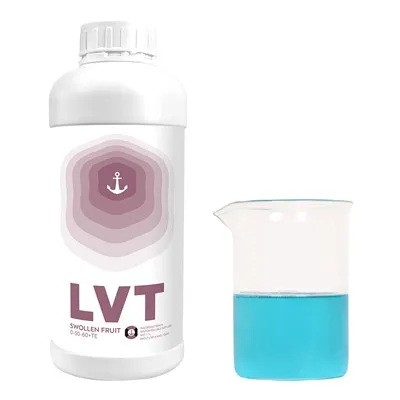
As a supplier of Micronutrient Water Soluble Fertilizer, I often receive inquiries from farmers, gardeners, and horticulturalists about the optimal water – to – fertilizer ratio for our products. The correct water – to – fertilizer ratio is crucial as it ensures that plants receive the right amount of nutrients for healthy growth, while also preventing over – fertilization which can damage plants and contaminate the environment. In this blog, I will delve into the factors that influence the recommended water – to – fertilizer ratio and provide some general guidelines. Micronutrient Water Soluble Fertilizer
Factors Affecting the Water – to – Fertilizer Ratio
Plant Type
Different plants have varying nutrient requirements. For instance, leafy vegetables like spinach and lettuce typically need a relatively higher nitrogen level, while flowering plants such as roses and tomatoes require more phosphorus and potassium for blooming and fruit – setting. Our micronutrient water – soluble fertilizers are formulated to provide a balanced mix of essential micronutrients like iron, zinc, manganese, copper, boron, and molybdenum. However, the amount of fertilizer needed per unit of water can vary depending on whether you are growing annuals, perennials, shrubs, or trees.
Annual plants, which complete their life cycle in one growing season, often grow rapidly and may need more frequent fertilization. A higher concentration of fertilizer in the water solution might be appropriate, but it should still be carefully calibrated to avoid stressing the plants. Perennials, on the other hand, have a longer life span and may require a more dilute fertilizer solution to support consistent growth over multiple years.
Growth Stage
The growth stage of the plant also plays a significant role. During the seedling stage, plants are delicate and have a small root system. A lower water – to – fertilizer ratio, meaning a more dilute solution, is recommended to prevent burning the young roots. As the plant matures, it can tolerate a slightly higher concentration of nutrients. For example, when a tomato plant starts to flower and set fruit, it needs an increased supply of phosphorus and potassium. At this stage, adjusting the water – to – fertilizer ratio to provide a more concentrated nutrient solution can promote better fruit development.
Soil Conditions
The type of soil in which the plants are growing affects the water – to – fertilizer ratio. Sandy soils have large particles and poor water – holding capacity. Water and nutrients can quickly leach through sandy soils, so a more concentrated fertilizer solution may be needed to ensure that the plants receive an adequate supply of nutrients. In contrast, clay soils have small particles and high water – holding capacity. They can retain nutrients for longer periods, but may also become waterlogged easily. Therefore, a more dilute fertilizer solution is often advisable for clay soils to prevent over – fertilization.
Climate and Watering Frequency
Hot and dry climates may require more frequent watering, which in turn can impact the water – to – fertilizer ratio. If you are watering your plants daily due to high temperatures and low humidity, you may need to use a more dilute fertilizer solution to avoid over – fertilizing the plants. In areas with high rainfall or frequent irrigation, nutrients can be washed away more easily. In such cases, a slightly higher concentration of fertilizer in the water may be necessary to maintain an optimal nutrient level for the plants.
General Guidelines for Water – to – Fertilizer Ratio
Our micronutrient water – soluble fertilizers are highly concentrated and versatile. However, here are some general recommendations to follow:
For Foliar Application
Foliar application involves spraying the fertilizer solution directly onto the leaves of the plants. This method allows for quick absorption of nutrients by the plants. For foliar application, a common water – to – fertilizer ratio is around 1:500 to 1:1000. That means for every 1 gram of our micronutrient water – soluble fertilizer, you should mix it with 500 to 1000 milliliters of water. This relatively dilute solution is suitable for most plants and helps prevent leaf burn.
It is important to note that foliar application should be done during the early morning or late afternoon when the stomata on the leaves are open, allowing for better absorption. Also, avoid spraying during hot and sunny periods as the solution can dry too quickly on the leaves, reducing nutrient uptake and potentially causing damage.
For Soil Drenching
Soil drenching is the process of applying the fertilizer solution directly to the soil around the roots of the plants. This method is suitable for providing a long – term supply of nutrients. For soil drenching, a typical water – to – fertilizer ratio ranges from 1:200 to 1:500. Depending on the plant type, growth stage, and soil conditions, you can adjust the ratio accordingly. For example, for young seedlings in sandy soil, you might start with a more dilute ratio of 1:500, while mature plants in clay soil could tolerate a ratio of 1:200.
When performing a soil drench, make sure to apply the solution evenly around the root zone of the plant. Avoid over – watering, as this can lead to waterlogging and nutrient leaching.
Testing and Monitoring
While these general guidelines are a good starting point, it is always recommended to test your soil and monitor the health of your plants. Soil testing can provide valuable information about the existing nutrient levels in the soil, allowing you to adjust the water – to – fertilizer ratio more precisely. You can use soil test kits available in the market or send samples to a professional laboratory for more comprehensive analysis.
Monitoring the health of your plants is also essential. Look for signs of nutrient deficiency, such as yellowing leaves, stunted growth, or poor flowering. If you notice any such symptoms, it may be necessary to adjust the water – to – fertilizer ratio or the type of fertilizer being used. On the other hand, signs of over – fertilization include burnt leaf edges, excessive vegetative growth at the expense of flowering or fruiting, and salt build – up in the soil.
Conclusion
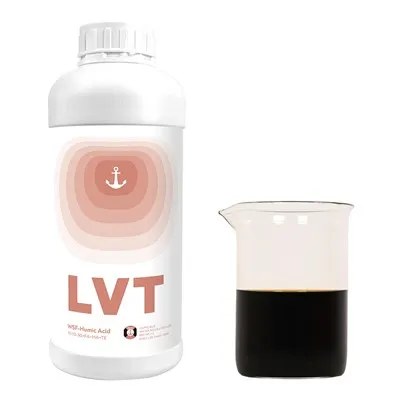
Determining the recommended water – to – fertilizer ratio for our micronutrient water – soluble fertilizers requires careful consideration of plant type, growth stage, soil conditions, climate, and watering frequency. By following the general guidelines provided and conducting regular soil testing and plant monitoring, you can ensure that your plants receive the right amount of nutrients for optimal growth.
Calcium Magnesium Zinc Boron Suspension Fertilizer If you are a farmer, gardener, or involved in horticulture and are interested in our high – quality Micronutrient Water Soluble Fertilizers, I encourage you to get in touch with us. We are committed to providing you with the best products and technical support to help you achieve successful crop yields and beautiful gardens. Feel free to reach out to us to discuss your specific needs and start a purchase negotiation.
References
- "Plant Nutrition for Sustainable Development and Global Health" by the International Plant Nutrition Institute.
- "Soil Fertility and Fertilizers: An Introduction to Nutrient Management" by Ray R. Weil and Nyle C. Brady.
- Research papers on micronutrient water – soluble fertilizers from academic journals such as "Journal of Plant Nutrition" and "Communications in Soil Science and Plant Analysis".
Weifang Lvweite Bio-Tech Co., Ltd.
With abundant experience, we are one of the leading manufacturers and suppliers of micronutrient water soluble fertilizer in China. Please rest assured to buy bulk high quality fertilizers made in China here from our factory. If you have any enquiry about cooperation, please feel free to email us.
Address: No. 6 Xinchuan Rd, Xin’an Street, Anqiu City, Shandong, China
E-mail: info@lvtfertilizer.com
WebSite: https://www.lvtfertilizer.com/
