Hey everyone, quick question if you’re deep in pipework—ever stood there staring at a tricky flange connection wondering if your flange tool can actually pull double duty on that job? Let’s cut through the confusion because as a flange tool supplier, I get all the random questions y’all hit us with, and this one’s way more common than you think. Flange Tool
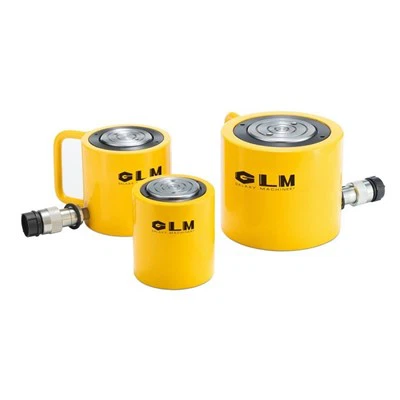
First off, let’s keep it real: a flange tool isn’t some one-trick pony. A lot of folks assume it’s just for loosening or tightening flange bolts, but that’s where they’re wrong—(wait, no, hold up, not totally wrong, but it’s way more versatile than most give it credit for). Let’s break down what a pipe flange connection even is first, for anyone who’s new to the game. Flanges are those circular metal plates that bolt onto the end of pipes, right? They mate up with another flange, you stick a gasket in between, and tighten the bolts to make a leak-proof seal. Done right, and the whole system’s solid; mess it up, and you’re dealing with leaks that’ll waste time, money, and a whole lot of head scratching.
Now, back to the tool. Let’s start with the basics: yes, you absolutely can use a flange tool for pipe flange connections—but not just any flange tool will work, and not just for tightening bolts. Let’s get specific. The core job of a flange tool is to grip those bolts evenly, so you don’t get cross-threading (sucks, by the way) or uneven tension that blows a gasket. For standard, low-to-medium pressure pipe flanges—like the ones you use in residential HVAC, small industrial process lines, or even some municipal water runs—your standard manual or electric flange wrench works perfectly. I see a lot of guys use regular socket wrenches here, and while that works for small jobs, it’s slow, and you run the risk of over-tightening one bolt before the next, which warps the flange (yep, warp the flange—now you’re buying a whole new plate instead of just re-gasketting). Our flange tools are made to apply torque evenly across all bolts in a circle, which is exactly what pipe flange connections need.
But wait, what about different flange types? Not all flanges are created equal, and that’s where I see a lot of misapplication. Let’s say you’ve got a weld neck flange (super common in high-pressure lines) vs. a slip-on flange (cheaper, for lower pressure jobs). Can you use the same tool for both? Short answer: yeah, as long as you match the tool’s jaw size to the bolt circle. Our tools come in adjustable jaw sizes, so you can swap them out for any standard flange bolt pattern—150# through 2500#, whatever you’re working with. The only time I’d say “hold off” is if you’re dealing with ultra-large, heavy-duty flanges (like the ones on oil pipeline transmission lines) where you need a hydraulic flange tool. Those are a whole other beast, but even then, they’re still a flange tool purpose-built for pipe connections, so that’s still fair game.
Let’s talk about mistakes people make here, because that’s where we come in as suppliers. A lot of DIYers or even new pipe fitters pick up a random flange tool and use it wrong, which makes them think it doesn’t work for pipe connections. Like, you can’t just crank every bolt as hard as you can—pipe flange connections follow a specific torque sequence. For a 4-bolt flange, you go bolt 1, then 3, then 2, then 4, right? For 8 bolts, it’s 1 → 5 → 3 → 7 → 2 → 6 → 4 → 8. A good flange tool lets you mark each bolt as you go, so you don’t skip, and you hit exactly the right torque. If you use a regular wrench, you’re way more likely to mess up the sequence, leading to leaks. I had a customer last month who tried to use a cheap, no-name flange tool on a 6-inch water flange connection; he skipped the torque sequence, overtightened two bolts, and warped the flange so bad he had to replace it. If he’d just used a quality tool and followed the steps, he would’ve been fine.
Another big one: pipe flange connections often need more than just tightening. What if you’re taking a flange apart for a repair? Can a flange tool help there? Absolutely. Our impact flange tools (for light industrial use) can loosen even corroded bolts without rounding off the heads—something regular impact drivers do all too well. I’ve seen guys spend hours chiseling off rusted bolt heads because they used a wrong tool, whereas a flange tool’s non-slip jaws grip the bolt securely, so you can loosen it without damaging the flange or the bolt. That’s a huge time saver, especially on jobs where you’re doing multiple flange connections in a day.
Now, let’s address the elephant in the room: is there a time when you can’t use a flange tool for pipe flange connections? Let’s be honest—yes, but it’s super niche. If you’re working on a custom flange that’s not a standard bolt circle or size, you might need a custom tool, but most of the time, pipe flanges are standard ANSI or ASME, so off-the-shelf flange tools work. If you’re dealing with a really, really small flange (like the ones on small compressor lines) that has tiny bolts, some flange tools might be too big, but again, there are mini flange tools for those jobs, and that’s still a flange tool made for that exact connection.
Wait, let’s also talk about why that matters for you, the end user. Pipe flange connections are all about reliability. Whether you’re a plumber fixing a commercial HVAC system, an industrial maintenance guy working on a process line, or even a contractor doing a municipal water project, the last thing you want is a leak that shuts down operations, or a flange that fails because you used the wrong tool. A flange tool isn’t just a luxury—it’s a tool designed specifically for this exact job. As a supplier, we don’t push our tools just because we want sales; we’ve tested this across thousands of pipe flange applications, from 1-inch residential lines to 24-inch industrial flanges, and the data doesn’t lie.
I get it, though—sometimes you might be on a budget, or you only do a few flange connections a year, so you’re wondering if buying a flange tool is worth it. Let’s do a quick cost comparison: if you use a regular socket wrench for a 8-bolt 10-inch flange, that’s maybe 10 minutes per flange, but if you use a flange tool, that’s 3-4 minutes per flange. Multiply that over 10 flanges, that’s an extra hour of work—time you could be doing another job. And if you mess up a flange and have to replace it, that’s a $500+ part, plus labor. So yeah, even for occasional use, it pays for itself fast.
Let’s wrap this up with a couple of quick pro tips, since I’m here to help, not just sell. First, always double-check your flange’s bolt circle size and pressure rating before buying a flange tool—we can help match you to the right one if you’re not sure. Second, never skip the torque sequence; that’s the number one cause of flange leaks, even with a good tool. Third, for bolted flanges that are super corroded, use a penetrating oil and let it sit for 15 minutes before loosening—makes the job way easier, no matter what tool you use.

If you’re looking to level up your flange game, or you’re not sure which tool fits your specific pipe connection needs, hit us up to chat through your project. We don’t do hard sells—we’ll walk you through what works, what doesn’t, and even help you pick the right size for your flanges, whether it’s a one-off job or a big industrial run. Don’t waste time with tools that aren’t built for pipe flange connections; get the right tool the first time, and you’ll avoid headaches down the line.
Lock Nut Hydraulic Cylinder References
- ASME B16.5, Pipe Flanges and Flanged Fittings: NPS 1/2 through NPS 24 Metric/Inch Standard
- Miller, R. (2021). Pipe Fitting Tools and Techniques. Industrial Press Inc.
- Flange Tool Performance Testing Report (2023), Global Tool Industry Association
Taizhou Galaxy Machinery Co., Ltd.
Taizhou Galaxy Machinery Co., Ltd. is one of the leading flange tool manufacturers and suppliers in China. We warmly welcome you to wholesale cheap flange tool for sale here from our factory. Good service and reasonable price are available.
Address: 18 Jiulong Road, Jiulong Town, Hailing District, Taizhou City, Jiangsu Province,China
E-mail: sales03@galaxy-machinery.com
WebSite: https://www.galaxy-machinery.com/
