Hey there, fellow fitness enthusiasts! I’m here as a supplier of food supplements and dietary supplements, and I often get asked this burning question: Can dietary supplements enhance my athletic performance? Well, let’s dig into it and find out. Food Supplement and Dietary Supplement

First off, let’s understand what we mean by dietary supplements. These are products that contain vitamins, minerals, herbs, amino acids, or other substances meant to supplement the diet. They come in various forms like pills, capsules, powders, and liquids. And they’ve become super popular among athletes and fitness buffs looking to up their game.
So, do they really work? The answer is a bit complicated. On one hand, there are some supplements that have solid scientific backing for improving athletic performance. Let’s take a look at a few of them.
Creatine is one of the most well – studied and widely used supplements in the sports world. It’s a naturally occurring compound in our bodies, mainly in our muscles. When we take creatine supplements, it helps to increase the amount of phosphocreatine in our muscles. This is super important because phosphocreatine is used to regenerate ATP (adenosine triphosphate), which is the energy currency of our cells. In simpler terms, creatine gives us that extra burst of energy during short – term, high – intensity activities like weightlifting, sprinting, and jumping. Several studies have shown that people who take creatine supplements see an increase in their strength, power, and muscle mass over time.
Another popular supplement is caffeine. Most of us are familiar with caffeine from our morning cups of coffee. But in the athletic realm, it’s a legit performance enhancer. Caffeine works by blocking the action of adenosine, a neurotransmitter that makes us feel sleepy. By doing this, it stimulates the release of other neurotransmitters like dopamine and norepinephrine, which can improve our focus, alertness, and endurance. Athletes who take caffeine before a workout or competition often report feeling less tired and being able to push themselves harder. For example, endurance athletes like cyclists and long – distance runners can benefit from the increased fat burning and improved pain tolerance that caffeine provides.
Beta – alanine is a lesser – known but very effective supplement. It combines with the amino acid histidine in our bodies to form carnosine, which is found in our muscles. Carnosine helps to buffer lactic acid in our muscles. As we exercise, especially during high – intensity workouts, lactic acid builds up in our muscles, causing fatigue. By increasing the levels of carnosine in our muscles, beta – alanine can delay the onset of muscle fatigue, allowing us to train harder and longer.
Now, it’s not all rainbows and butterflies when it comes to dietary supplements. There are also some supplements out there that don’t have much scientific evidence to support their claims. For example, there are some supplements that promise to boost your metabolism so much that you’ll start burning fat like crazy. But in reality, many of these supplements either don’t work as advertised or have only a very small effect.
And then there are the potential risks. Some supplements can interact with prescription medications. For instance, St. John’s Wort, a popular herbal supplement, can interact with birth control pills, antidepressants, and blood thinners. Also, taking too much of certain vitamins and minerals can be harmful. For example, excessive vitamin A can cause liver damage, and too much iron can lead to iron toxicity.
So, how do we decide which supplements are right for us? Well, it all depends on your specific goals and needs. If you’re a powerlifter looking to increase your strength, creatine might be a great option. If you’re an endurance athlete, caffeine and beta – alanine could be more your cup of tea.
It’s also crucial to remember that supplements are just that – supplements. They’re not a substitute for a balanced diet. Eating a variety of whole foods like fruits, vegetables, lean proteins, and healthy fats should be the foundation of your nutritional plan. Supplements can only enhance what you’re already getting from your diet.
As a food and dietary supplement supplier, I’ve seen a lot of different products come and go. I can tell you that the high – quality supplements on the market are made with strict quality control measures. They’re formulated to be safe and effective. We source our ingredients from reputable suppliers and test our products to ensure they meet the highest standards.
If you’re an athlete or someone who’s serious about fitness, you might be wondering how to incorporate these supplements into your routine. First, talk to your doctor or a registered dietitian. They can help you figure out if supplements are right for you and which ones you should take. They can also provide guidance on the proper dosages and potential interactions.
Once you’ve got the green light from a professional, start slow. Don’t go all in and take a whole bunch of supplements at once. Introduce one supplement at a time and see how your body responds. Give it a few weeks to really evaluate the effects.
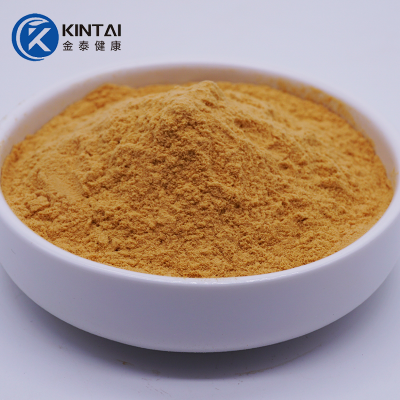
Now, if you’re interested in trying out some of the top – notch dietary supplements we offer, I’d love to have a chat with you. Whether you’re a professional athlete, a fitness enthusiast, or a coach looking to provide the best for your team, we’ve got the products you need. We can discuss your specific requirements, and I can give you more detailed information about our supplements. Get in touch, and let’s work together to help you reach your athletic goals.
Food Additives References
- Bhasin, S., Storer, T. W., Berman, N., Callegari, C., Clevenger, B., Phillips, J., … & Bunnell, T. J. (1996). The effects of supraphysiologic doses of testosterone on muscle size and strength in normal men. The New England Journal of Medicine, 335(1), 1 – 7.
- Graham, T. E., & Hibbert, E. (2000). Metabolic and endurance performance effects of caffeine ingestion during exercise. Medicine & Science in Sports & Exercise, 32(2), 225 – 231.
- Harris, R. C., Soderlund, K., & Hultman, E. (1992). Elevation of creatine phosphate in human muscle after oral supplementation with creatine. Acta Physiologica Scandinavica, 145(4), 567 – 571.
Kintai Healthtech Inc.
As one of the most professional food supplement and dietary supplement manufacturers and suppliers in China, we’re featured by quality products and good price. Please rest assured to buy bulk food supplement and dietary supplement for sale here from our factory. Contact us for more details.
Address:
E-mail: info@kintaibio.com
WebSite: https://www.healthkintai.com/
