Installing a fire exhaust fan in a high – temperature environment is a critical task that requires careful planning and execution. As a supplier of fire exhaust fans, I’ve encountered numerous clients facing challenges with the installation process in such conditions. In this post, I’ll share in – depth knowledge on how to properly install a fire exhaust fan in a high – temperature setting, covering aspects from pre – installation checks to post – installation testing. Fire Exhaust Fan
Pre – installation Evaluations
Before embarking on the installation process, thorough evaluations of the installation site are essential. High – temperature environments can vary widely, such as industrial furnaces, boiler rooms, or areas near large – scale engine operations.
Temperature Assessment
First, measure the ambient temperature in the area where the fire exhaust fan will be installed. Different fire exhaust fans have specific temperature ratings. For instance, some of our fans are designed to operate continuously at temperatures up to 280°C for 2 hours, while others can withstand even higher short – term spikes. Understanding the average and peak temperatures is crucial for selecting the appropriate fan model. This step usually involves using temperature sensors placed at strategic points in the installation area over a period of time, ideally during normal and peak – load operations.
Space and Ventilation Analysis
Evaluate the available space for installing the fan. The fan needs sufficient clearance around it for proper air intake and exhaust. In high – temperature environments, hot air expands, and restricted ventilation can lead to overheating of the fan motor. Measure the dimensions of the installation site and ensure that there is enough room for the fan housing, ductwork, and any associated control equipment. Also, check the existing ventilation system to determine how the new fire exhaust fan will integrate with it. If there are existing ducts, assess their condition, size, and capacity to ensure they can handle the additional airflow generated by the new fan.
Electrical Infrastructure Check
High – temperature environments can place additional stress on electrical systems. Examine the electrical supply in the area to ensure it can handle the power requirements of the fire exhaust fan. Check the voltage, frequency, and amperage ratings of the electrical circuit. It’s also important to verify that the wiring is in good condition and properly insulated. In some high – temperature areas, special high – temperature – resistant wiring may be required. Additionally, ensure that the electrical panel has sufficient capacity to accommodate the new load, and consider installing appropriate over – current protection devices.
Selecting the Right Fire Exhaust Fan
Based on the pre – installation evaluations, it’s time to select the most suitable fire exhaust fan for the high – temperature environment.
Fan Type
There are different types of fire exhaust fans available, such as axial fans and centrifugal fans. Axial fans are typically more suitable for applications where high airflow rates are required with relatively low static pressure, like in large open spaces. Centrifugal fans, on the other hand, can generate higher static pressures and are better suited for systems with long duct runs or complex ventilation layouts. In high – temperature environments, the choice between the two also depends on the temperature – handling capabilities of each type. Our company offers both axial and centrifugal fire exhaust fans, each designed to meet specific high – temperature requirements.
Fan Capacity
Determine the required airflow rate and static pressure for the installation. This calculation is based on factors such as the size of the space, the heat load, and the desired air – change rate. For example, in a large industrial kitchen with high – temperature cooking equipment, a higher airflow rate is needed to quickly remove hot air and fumes. Our technical team can assist in performing these calculations based on the specific details of the installation site. We also consider the efficiency of the fan, as a more efficient fan can reduce energy consumption and operating costs in the long run.
Material and Construction
In high – temperature environments, the materials used in the construction of the fire exhaust fan are of utmost importance. The fan blades, housing, and motor components should be made of heat – resistant materials. For example, the fan blades may be constructed from special alloys that can maintain their strength and shape at high temperatures. The motor should have proper insulation and cooling mechanisms to prevent overheating. Our fire exhaust fans are built with high – quality materials that are specifically selected for their performance in high – temperature conditions, ensuring long – term reliability.
Installation Process
Once the right fan is selected, the installation process can begin.
Mounting the Fan
The first step is to securely mount the fire exhaust fan. In high – temperature environments, the mounting structure should be able to withstand the heat and vibrations. Use appropriate mounting brackets and fasteners that are designed for high – temperature applications. Ensure that the fan is level and aligned correctly, as misalignment can cause excessive vibration and premature wear of the fan components. For wall – mounted fans, make sure the wall is strong enough to support the weight of the fan and the forces generated during operation.
Connecting the Ductwork
Proper connection of the ductwork is crucial for the efficient operation of the fire exhaust fan. Use high – temperature – resistant duct materials, such as stainless steel or high – temperature fiberglass. Seal all the joints in the ductwork using fire – resistant sealants to prevent air leakage. Ensure that the ductwork is properly sized to match the airflow requirements of the fan and that the bends and turns in the duct are minimized to reduce pressure losses. When connecting the duct to the fan, make sure the connection is tight and secure to prevent any hot air from leaking back into the installation area.
Electrical Connection
This is a critical step that must be carried out by a qualified electrician. Follow all the electrical codes and safety regulations when connecting the fan to the power supply. Connect the fan motor to the appropriate electrical circuit, ensuring that the wiring is properly insulated and protected from the high – temperature environment. Install any control devices, such as switches and variable – speed drives, according to the manufacturer’s instructions. It’s also important to test the electrical connection before starting the fan to ensure that there are no short circuits or other electrical issues.
Post – installation Testing and Maintenance
After the installation is complete, thorough testing and regular maintenance are necessary to ensure the proper functioning of the fire exhaust fan in the high – temperature environment.
Initial Testing
Conduct a series of tests before putting the fan into regular operation. Start with a visual inspection of the entire installation, checking for any loose connections, damaged components, or signs of improper installation. Then, perform a no – load test of the fan to check its rotation direction and the operation of the motor. Next, gradually increase the load on the fan and monitor its performance, including the airflow rate, static pressure, and power consumption. Compare the measured values with the design specifications to ensure that the fan is operating as expected.
Regular Maintenance
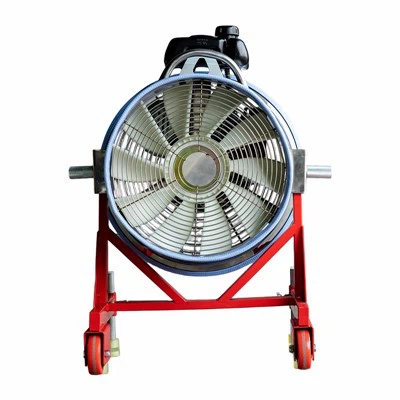
In high – temperature environments, regular maintenance is even more important. Establish a maintenance schedule that includes tasks such as cleaning the fan blades, checking the motor bearings, and inspecting the electrical wiring. The high – temperature environment can cause dust and debris to accumulate on the fan blades, which can reduce the fan’s efficiency. Cleaning the blades regularly can help maintain optimal performance. Check the motor bearings for signs of wear and lubricate them as needed. Inspect the electrical wiring for any signs of damage or overheating, and replace any damaged components immediately.
Conclusion
Fire Rated Exhaust Fan Installing a fire exhaust fan in a high – temperature environment is a complex but essential task. By following the steps outlined above, from pre – installation evaluations to post – installation maintenance, you can ensure a successful installation and reliable operation of the fan. At our company, we are committed to providing high – quality fire exhaust fans and professional technical support. If you are considering installing a fire exhaust fan in a high – temperature environment, or if you have any questions regarding our products, please feel free to contact us for a detailed consultation and purchasing negotiation. We look forward to working with you to meet your ventilation needs in high – temperature settings.
References
- ASHRAE Handbook – HVAC Systems and Equipment.
- NFPA 90A: Standard for the Installation of Air – Conditioning and Ventilating Systems.
- Manufacturer’s installation and operation manuals for fire exhaust fans.
Taizhou Mingxin Fire Protection Technology Co., Ltd.
As one of the most professional fire exhaust fan manufacturers in China, we warmly welcome you to buy bulk high quality fire exhaust fan made in China here from our factory. Good service and low price are available.
Address: Group 3, Xinzhouqiao Community, Jingtai Road Subdistrict, Hailing District, Taizhou City (within Taizhou Station North Logistics Management Co., Ltd.)
E-mail: mingxinxf@163.com
WebSite: https://www.mxfiretech.com/
