Hey there! I’m a supplier of dry mortar production lines, and today I wanna chat about the safety measures for operating these lines. Running a dry mortar production line can be a pretty complex task, and safety is super crucial. Not only does it protect your workers, but it also ensures the smooth and efficient operation of your business. Dry Mortar Production Lines
Pre – operation Safety Checks
Before you even think about starting up the dry mortar production line, there are some essential pre – operation safety checks you need to do. First off, inspect all the equipment thoroughly. Check the mixers, conveyors, silos, and all the other components. Look for any signs of wear and tear, like loose belts, cracked parts, or leaking seals. If you spot anything that looks off, don’t just ignore it. Fix it right away or replace the faulty part.
For example, the mixer blades are constantly in contact with the dry materials. Over time, they can get worn down. If a blade breaks off during operation, it can not only damage the mixer but also pose a serious danger to the workers. So, make sure to check the blades regularly and replace them when they start to show significant wear.
Also, check the electrical systems. Faulty wiring can lead to short – circuits, electrical shocks, or even fires. Look for frayed wires, loose connections, or any signs of overheating. Make sure all the electrical panels are properly grounded. And don’t forget to test all the safety switches and emergency stop buttons. They need to work perfectly in case of an emergency.
Personal Protective Equipment (PPE)
PPE is a must for anyone working around the dry mortar production line. Workers should wear dust masks at all times. Dry mortar can create a lot of dust, and inhaling this dust for long periods can lead to serious respiratory problems like silicosis. So, a good quality dust mask is essential to protect the lungs.
Safety goggles are also important. When the dry materials are being mixed or transported, there’s a risk of particles flying into the eyes. Safety goggles can prevent eye injuries.
Gloves are another piece of PPE that shouldn’t be overlooked. Workers need to handle various tools and equipment, and gloves can protect their hands from cuts, abrasions, and chemical burns. Some dry mortar ingredients may be irritating to the skin, so gloves act as a barrier.
And of course, steel – toed boots are a must. There’s always a risk of heavy objects falling on the feet in a production environment. Steel – toed boots can prevent fractures and other serious foot injuries.
Machine Operation Safety
When it comes to operating the machines on the dry mortar production line, there are some important safety rules to follow. First, make sure all the operators are properly trained. They should know how to operate each machine correctly, understand the control panels, and be aware of the safety procedures.
For the mixers, never reach into the mixer while it’s running. This is a really basic rule, but you’d be surprised how many accidents happen because someone tries to clear a blockage or adjust something without turning off the machine. Always turn off the power and wait for the mixer to come to a complete stop before you do any maintenance or cleaning.
Conveyor belts are another area where safety is crucial. Keep the area around the conveyor belts clear of any clutter. Loose objects can get caught in the belts and cause jams or other malfunctions. Also, don’t try to walk on the conveyor belts. They can be slippery, and if they start moving unexpectedly, you could fall and get seriously injured.
Fire and Explosion Prevention
Dry mortar production involves handling flammable materials in some cases. For example, some additives may be combustible. So, fire and explosion prevention measures are essential.
First, keep the production area clean and free of dust accumulation. Dust can be highly flammable, and a build – up of dust can create an explosive atmosphere. Regularly sweep and vacuum the floors, walls, and equipment to remove any dust.
Install proper ventilation systems. Good ventilation helps to remove dust and any flammable vapors from the air. It also reduces the risk of a build – up of explosive mixtures.
Have fire extinguishers readily available throughout the production area. Make sure the workers know how to use them. And have a fire alarm system installed and test it regularly.
Emergency Response Planning
No matter how many safety measures you have in place, emergencies can still happen. That’s why it’s important to have an emergency response plan.
First, establish evacuation routes. Make sure all the workers know where the exits are and how to get to them quickly in case of an emergency. Post evacuation maps in prominent locations throughout the production area.
Set up a first – aid station and make sure it’s well – stocked with all the necessary supplies. Have employees trained in first – aid so they can provide immediate assistance in case of an injury.
And in case of a major emergency like a fire or a chemical spill, have a designated emergency response team. They should be trained to handle these situations quickly and effectively.
Maintenance and Inspection Schedules
Regular maintenance and inspections are key to keeping the dry mortar production line safe. Set up a maintenance schedule for each piece of equipment. This could include daily, weekly, monthly, and yearly checks.
For example, on a daily basis, operators can do a quick visual inspection of the equipment before starting work. Weekly checks could involve more in – depth inspections of components like belts, bearings, and motors. Monthly checks might include lubrication of moving parts and calibration of sensors. And yearly maintenance could involve major overhauls and replacements of worn – out parts.
Keep detailed records of all maintenance and inspections. This not only helps you stay on top of the equipment’s condition but also provides a history that can be useful for troubleshooting and insurance purposes.
Conclusion
Well, that’s a wrap on the safety measures for operating a dry mortar production line. Safety is not something you can take lightly. By following these safety measures, you can protect your workers, prevent accidents, and keep your production line running smoothly.
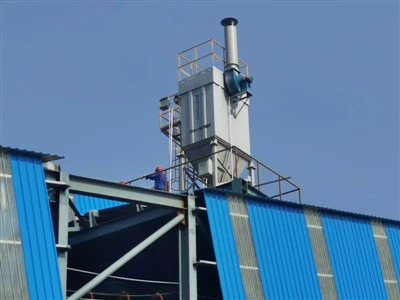
Dust Collectors If you’re in the market for a dry mortar production line or have any questions about safety or performance, don’t hesitate to reach out. We’re here to help you find the best solution for your business needs. Whether you’re just starting out or looking to upgrade your existing production line, we’ve got the expertise and the products to meet your requirements. So, get in touch and let’s start a discussion about your project.
References
- "Industrial Safety Handbook"
- "Safety Guidelines for Mortar Production"
Jiangsu Haike Environmental Tech Co., Ltd.
As one of the most professional dry mortar production lines manufacturers and suppliers in China, we’re featured by quality products and good service. Please rest assured to wholesale customized dry mortar production lines at competitive price from our factory. Contact us for quotation.
Address: No.1, Wei’er Branch Road, Shanggang Industrial Park, Jianhu County, Yancheng City, Jiangsu Province, China
E-mail: 17388487000@163.com
WebSite: https://www.jshkhbwm.com/
