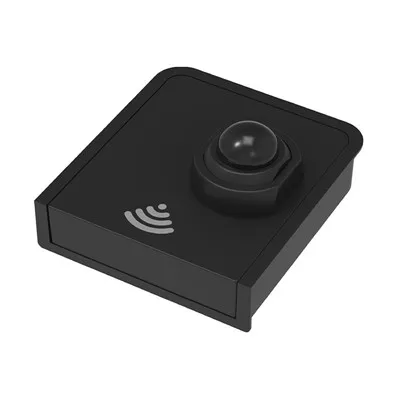
In the dynamic landscape of modern technology, wireless sensor switches have emerged as a pivotal innovation, revolutionizing the way we interact with our environments. As a supplier deeply entrenched in the world of wireless sensor switches, I am often asked about various aspects of these devices, and one question that frequently surfaces is, "What is the weight of a wireless sensor switch?" This seemingly simple query actually delves into a multitude of factors that not only define the physical characteristics of the switch but also its functionality, installation, and overall performance. Wireless Sensor Switch
Understanding the Basics of Wireless Sensor Switches
Before we dive into the weight aspect, it’s essential to have a clear understanding of what a wireless sensor switch is. A wireless sensor switch is a device that combines the functionality of a sensor and a switch, allowing for the detection of specific conditions, such as motion, light, or temperature, and then controlling electrical circuits accordingly. These switches are wireless, which means they do not require a physical connection to a power source or a control system, offering greater flexibility and ease of installation.
Wireless sensor switches are used in a wide range of applications, from residential homes to commercial buildings, industrial facilities, and even outdoor environments. They can be used to control lighting, HVAC systems, security alarms, and other electrical devices, providing energy efficiency, convenience, and enhanced safety.
Factors Affecting the Weight of a Wireless Sensor Switch
The weight of a wireless sensor switch can vary significantly depending on several factors. These factors include the type of sensor, the materials used in its construction, the size of the switch, and the additional features it offers.
Type of Sensor
The type of sensor integrated into the switch is one of the primary factors that determine its weight. Different sensors have different physical characteristics and requirements, which can affect the overall weight of the device. For example, a motion sensor switch typically uses a passive infrared (PIR) sensor, which is relatively lightweight and compact. On the other hand, a light sensor switch may use a more complex photoelectric sensor, which can be heavier and larger in size.
Materials Used in Construction
The materials used in the construction of the wireless sensor switch also play a crucial role in determining its weight. High – quality materials such as metal, ceramic, or thick – walled plastic can add to the weight of the switch, but they also offer greater durability and resistance to wear and tear. Cheaper materials like thin – walled plastic may result in a lighter switch, but they may not be as robust or long – lasting.
Size of the Switch
The size of the wireless sensor switch is another important factor. Larger switches generally have more components and a larger housing, which can increase their weight. Smaller switches, on the other hand, are more compact and lightweight, making them suitable for applications where space is limited.
Additional Features
Wireless sensor switches can come with a variety of additional features, such as adjustable sensitivity, timer functions, or remote control capabilities. These features often require additional components and circuitry, which can add to the weight of the switch.
Typical Weight Ranges
Based on my experience as a supplier, the weight of a wireless sensor switch can range from as little as 50 grams to over 500 grams.
Lightweight Switches
Small, basic wireless sensor switches with simple functionality, such as a basic PIR motion sensor switch, can weigh as little as 50 – 100 grams. These switches are often made of lightweight plastic and have a compact design, making them easy to install and suitable for applications where weight is a concern, such as smart home systems or small – scale lighting control.
Medium – Weight Switches
Medium – sized wireless sensor switches with more advanced features, such as adjustable sensitivity, multiple sensor types, or wireless communication capabilities, typically weigh between 100 – 300 grams. These switches are commonly used in commercial buildings, offices, and industrial settings, where they need to be more robust and offer greater functionality.
Heavy – Weight Switches
Larger, industrial – grade wireless sensor switches with complex features, such as high – precision sensors, long – range communication, and heavy – duty construction, can weigh over 300 grams, sometimes reaching up to 500 grams or more. These switches are designed for demanding applications in harsh environments, such as factories, warehouses, and outdoor installations.
Importance of Weight in Wireless Sensor Switches
The weight of a wireless sensor switch is not just a random physical characteristic; it has several important implications for its use and performance.
Installation
The weight of the switch can affect the ease of installation. Lightweight switches are easier to handle and mount, especially in hard – to – reach places or on delicate surfaces. Heavy – weight switches, on the other hand, may require more secure mounting methods and additional support to ensure they are properly installed and do not pose a risk of falling or causing damage.
Mobility
In some applications, the mobility of the wireless sensor switch is important. For example, in a smart home system where the switch may need to be moved or re – positioned, a lightweight switch is more convenient. In contrast, in a fixed industrial installation, the weight may be less of a concern as long as the switch is securely mounted.
Power Consumption
Although not directly related to weight, the materials and components used in a heavier switch may have an impact on its power consumption. Heavier switches may use more power – hungry components, which can affect the overall energy efficiency of the system.
Selecting the Right Weight for Your Application
When choosing a wireless sensor switch, it’s important to consider the weight in the context of your specific application. Here are some guidelines to help you make the right decision:
Residential Applications
For residential applications, such as smart home lighting control or security systems, lightweight switches are often the best choice. They are easy to install, do not require complex mounting, and can be easily integrated into existing electrical systems.
Commercial and Industrial Applications
In commercial and industrial settings, where durability and functionality are key, medium – to heavy – weight switches may be more appropriate. These switches can withstand the rigors of daily use, offer advanced features, and are designed to be more reliable in demanding environments.
Outdoor Applications
Outdoor applications require switches that are not only heavy enough to be securely mounted but also weather – resistant. Heavy – weight switches with robust construction and protective coatings are ideal for outdoor use, as they can withstand extreme temperatures, moisture, and other environmental factors.
Conclusion
In conclusion, the weight of a wireless sensor switch is a multifaceted aspect that is influenced by various factors such as the type of sensor, materials used, size, and additional features. Understanding the weight of a switch is crucial for making informed decisions about its installation, mobility, and overall performance. As a supplier, I am committed to providing a wide range of wireless sensor switches with different weights to meet the diverse needs of our customers.
Cabinet LED Driver If you are in the market for wireless sensor switches and have specific requirements regarding weight, functionality, or other aspects, I encourage you to reach out to me. We can discuss your needs in detail and find the perfect solution for your application. Whether you are a homeowner looking to upgrade your lighting system or a business owner in need of a reliable industrial – grade switch, I am here to assist you. Let’s start a conversation about how our wireless sensor switches can enhance your project.
References
- "Wireless Sensor Networks: A Comprehensive Survey" by I.F. Akyildiz, W. Su, Y. Sankarasubramaniam, and E. Cayirci.
- "Smart Home Technology: Concepts, Systems, and Applications" by J. Park, S. Cho, and J. Kim.
- "Industrial Automation and Control Systems" by T. H. Lee and K. H. Park.
Dongguan Lanbaoli Intelligent Technology Co., Ltd.
As one of the most professional wireless sensor switch manufacturers and suppliers in China, we’re featured by quality products and low price. Welcome to buy advanced wireless sensor switch for sale here from our factory. If you have any enquiry about quotation, please feel free to email us.
Address: 10th Floor, Building 32, Golden Town, No. 7 Technology Avenue, Houjie Town, Dongguan City, Guangdong Province
E-mail: anna@lampow.cn
WebSite: https://www.lblsensor.com/
