If you’ve ever walked onto a porch, patio, or rooftop deck that feels sturdy underfoot, chances are you’ve spent some time thinking about materials. For years, wood was the go-to option—until bamboo entered the scene, fast becoming a fan favorite for its sustainability, natural warmth, and versatility. But as a bamboo decking supplier, I hear the same question over and over from homeowners, contractors, and landscapers alike: “Is there a real difference between solid bamboo decking and engineered bamboo decking?” It’s a fair question, and one that makes a big impact on your project’s durability, maintenance, and long-term value. After 12 years working in this space, I’m here to break down the science, the practical uses, and what actually matters when choosing between the two. Bamboo Decking
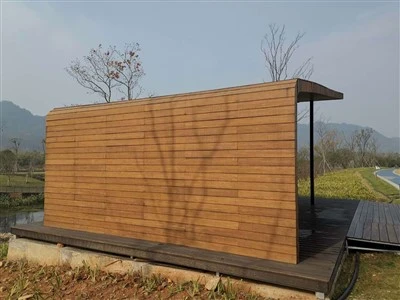
Let’s start with the basics, because not everyone knows how bamboo decking is made. Bamboo is a grass, not a tree, and that’s part of why it’s so sustainable—it matures in 3 to 5 years, versus 20 to 50 years for most hardwoods. For both solid and engineered bamboo decking, we start with the same raw material: mature bamboo culms (the stalks), harvested and processed to remove the outer layer (which is tough and fibrous) and the inner pith. What happens next is where the two products diverge, and that divergence changes everything.
Solid bamboo decking, as the name suggests, is made from solid pieces of bamboo culm. Typically, we mill the culm into thin strips, then arrange those strips side by side or stacked, then press them under high heat and pressure to form a plank. Wait—some people confuse this with laminate, but solid bamboo isn’t laminated. Laminate uses multiple thin layers glued together; solid bamboo is a single, unified piece of pressed bamboo material. The press process here is key: the heat and pressure break down the bamboo’s natural lignin (the substance that holds plant cells together), which then acts as a natural binder, eliminating the need for extra glue in many high-quality solid products. That’s a big plus for people concerned about off-gassing or chemical exposure.
Engineered bamboo decking, on the other hand, is built like a layered sandwich. It starts with thin bamboo strips, usually sliced into 1/8-inch to 1/4-inch thick pieces, arranged in a cross-grain pattern (so each layer is perpendicular to the one below it), then glued together under extreme pressure to form a plank. The cross-grain layering is the secret sauce of engineered products. Wood (and even bamboo) is prone to moving—swelling when it’s wet, shrinking when it’s dry, and cupping or twisting as moisture levels change. The cross-grain structure of engineered bamboo balances that movement, because opposing layers resist each other’s natural tendency to expand or contract in one direction.
Now that we know what each is made of, let’s talk about performance, because that’s what actually makes or breaks a deck. First, stability. This is where engineered bamboo often has the upper hand. I’ve sold both products to thousands of clients, and I’ve seen solid bamboo planks cupping or twisting in areas with extreme weather—like Florida’s humid summers or Arizona’s dry, fluctuating temperatures. Because solid bamboo is a single piece, it only has one grain direction to move with moisture changes. Engineered bamboo, with its cross-layered structure, moves much less. It has a dimensional stability rating that’s 30 to 50 percent higher than most solid bamboo products, according to independent testing we’ve run with a material science lab a few years back. That means fewer gaps between planks in the winter, less warping after rainstorms, and a flatter, more consistent surface that’s safer for kids and pets running around.
But stability isn’t the only performance factor. Hardness and durability matter too, especially for decks that get heavy foot traffic, hold outdoor furniture, or are prone to scratches from patio tools or pet claws. Bamboo is already one of the hardest plant materials on Earth—harder than maple, in fact. But when it comes to Janka hardness (the standard measure of a material’s resistance to dents), solid and engineered bamboo are pretty close. Most solid bamboo decking has a Janka rating of around 3,000 lbf, while engineered bamboo usually clocks in at 2,800 to 3,200 lbf—nearly identical. The difference comes in how that hardness is distributed: solid bamboo’s hardness is consistent along the length of the plank, since it’s made from a single culm, while engineered bamboo’s hardness can vary slightly depending on how the layers are oriented, but it’s still more than enough for any residential deck, and even light commercial applications like small cafe patios.
Moisture resistance is another big one. Decks take a beating from rain, snow, humidity, and even regular hosing down for cleaning. Both solid and engineered bamboo are treated to resist moisture, but their core structure makes a difference. Solid bamboo, because it’s a single piece, can absorb moisture along its edges if it’s not properly sealed, leading to swelling over time. Most quality solid bamboo decking comes pre-sealed with a UV-resistant coating, but even with that, the edge grain (which is more porous than the surface grain) can take on water if the coating chips or wears off. Engineered bamboo’s layered structure, with each layer glued tightly together, creates a more impermeable barrier. The glue we use in our engineered products is water-resistant, not waterproof, but it prevents moisture from seeping between layers, so the whole plank stays more consistent in moisture content over time. That’s why engineered bamboo is often the better choice for coastal areas, where salt air and high humidity are constant factors.
Maintenance is another thing I get asked about all the time. Let’s be honest—no one wants a deck that takes hours of work to keep looking good. Both solid and engineered bamboo are low-maintenance compared to natural hardwoods like cedar or teak, which need to be stained or sealed every 1 to 2 years. Solid bamboo, like any wood-based product, will fade to a soft silver-gray over time if left untreated. Some clients love that weathered look, others prefer to re-seal it every 3 to 5 years to keep its natural golden color. Engineered bamboo also fades, but because of its cross-layered structure, it often fades more evenly. I’ve seen clients who installed solid bamboo with a dark espresso finish have lighter and darker patches where furniture sat, while engineered bamboo planks fade uniformly. The sealed coating on both products needs to be checked annually for chips, but neither requires sanding or refinishing unless you want a total color change down the line.
Cost is a factor too, and it’s important to be upfront about that. Right now, engineered bamboo decking is about 10 to 15 percent more expensive than quality solid bamboo decking. Why? Because the manufacturing process is more labor-intensive, with multiple layers of bamboo and the cross-grain pressing that takes more time and equipment. Is that extra cost worth it? For most of our clients, yes—especially if they live in a climate with extreme weather, have a large deck, or want a low-maintenance option that will last 20 to 25 years. Solid bamboo is a great choice for smaller decks, areas with mild, consistent weather, and clients who want a slightly more budget-friendly option, as long as they’re willing to do a touch more maintenance if their area has big moisture swings.
Wait, but let’s clear up a common myth: some people think engineered bamboo is less sustainable than solid bamboo. That’s not true, and as a supplier, sustainability is at the core of what we do. Both products use the same raw bamboo material, and the manufacturing process has a very low carbon footprint—way lower than plastic decking or tropical hardwoods like ipe. The glue used in our engineered bamboo is low-VOC (volatile organic compounds), which means it doesn’t off-gass harmful chemicals into your home or yard, so it’s safe for kids, pets, and vegetable gardens growing nearby. That’s a big deal for many of our clients, especially those prioritizing eco-friendly products.
Let’s put this all in real-world terms, because numbers and specs only matter if they translate to your deck. Last year, we had a client in Miami call us after their first solid bamboo deck had warped so badly after one rainy season that they had to replace half the planks. They’d gone with solid because it was cheaper, but the humidity and temperature swings had taken their toll. We suggested engineered bamboo, and that deck is still flat, even after three hurricane seasons. On the flip side, we had a family in Ohio with a small 12×16 patio deck, and they chose solid bamboo because it was within their budget, and their climate has mild, consistent weather. Five years later, it’s still looking great, with only minor fading that they love.
So, to circle back to the original question: Is there a difference between solid and engineered bamboo decking? Yes, but it’s not a “one is good, one is bad” difference—it’s a difference that depends on your specific needs, your climate, your budget, and how you’ll use your deck. If you want maximum stability, resistance to extreme weather, uniform appearance, and don’t mind a slightly higher price tag, engineered bamboo is the way to go. If you’re on a tighter budget, live in a mild climate, and don’t mind doing a little extra maintenance to keep your deck looking fresh, solid bamboo is an excellent choice.
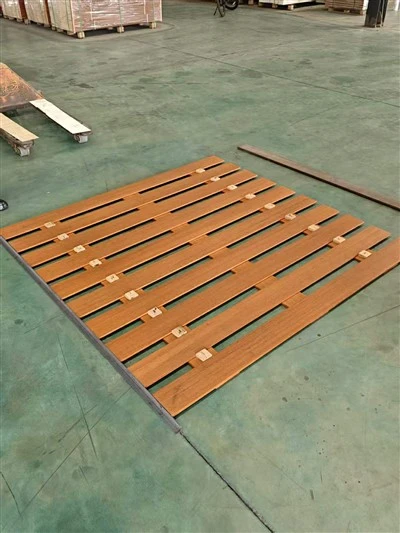
As a bamboo decking supplier, I’m not here to push one product over the other— I’m here to help you make the choice that’s right for you. If you’re planning a deck project, have questions about installation, or want samples to compare for yourself, feel free to reach out to our team to discuss your needs. There’s no wrong choice when it comes to bamboo decking, as long as you pick the one that fits your space and your lifestyle.
Bamboo Wall Cladding References
American Society for Testing and Materials (ASTM) D1037: Standard Test Methods for Evaluating Properties of Wood-Based Fiber and Particle Panel Materials
International Code Council (ICC) Evaluation Service Report for Engineered Bamboo Decking Products
University of Georgia Center for Urban Agriculture: Bamboo as a Sustainable Building Material
National Association of Home Builders (NAHB): Outdoor Living Space Material Guide 2023
Ningguo Kungtai Bamboo and Wood Co., Ltd.
As one of the most professional bamboo decking manufacturers and suppliers in China, we warmly welcome you to wholesale bulk customized bamboo decking from our factory. If you have any enquiry about quotation, please feel free to email us.
Address: East of Huanggang Road, Ningdun Town, Ningguo City, Anhui Province
E-mail: office@hh-bamboo.com
WebSite: https://www.kungtaibamboo.com/
