As a provider of power fittings, I’ve witnessed firsthand how temperature can significantly impact power fittings. Understanding these effects is crucial for ensuring the reliable and efficient operation of electrical systems. This blog will explore how temperature affects power fittings from multiple angles, providing in – depth knowledge to help you make informed decisions when choosing and using these products. Power Fittings
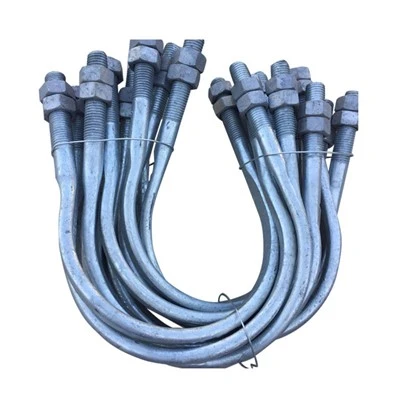
1. Thermal Expansion and Contraction
One of the most obvious ways temperature affects power fittings is through thermal expansion and contraction. All materials expand when heated and contract when cooled. In power fittings, this can lead to physical changes that affect their performance.
For example, in a conductor connection, the two ends of a connector may expand or contract at different rates depending on their material composition. If the temperature rises, the metal in the fitting will expand. If the expansion is not properly accommodated, it can put stress on the connection. This stress may cause the connection to loosen over time. A loose connection leads to increased electrical resistance, which in turn generates more heat. This cycle can create a dangerous situation, potentially leading to overheating, arcing, and even electrical fires.
On the other hand, when the temperature drops, the contraction of the fitting can cause similar problems. If the contraction is excessive, it may cause the fitting to crack or break, especially in brittle materials. This can disrupt the electrical circuit and lead to power outages or equipment damage.
When selecting power fittings, we need to consider the expected temperature range of the operating environment. We typically offer a variety of materials with different coefficients of thermal expansion. For instance, copper and aluminum are commonly used metals in power fittings. Copper has a relatively lower coefficient of thermal expansion compared to aluminum. In applications where there is a wide temperature variation, using copper – based fittings can reduce the risk of connection issues caused by thermal expansion and contraction.
2. Impact on Material Properties
Temperature can also have a significant impact on the mechanical and electrical properties of the materials used in power fittings.
Mechanical Properties
High temperatures can reduce the strength and hardness of metals. For example, steel power fittings may experience a decrease in yield strength and tensile strength at elevated temperatures. This means that the fitting may be more prone to deformation and failure under mechanical stress. If a steel clamp used to secure a power cable is exposed to high temperatures for an extended period, its clamping force may decrease, leading to the cable becoming loose.
Low temperatures can make some materials brittle. For instance, plastics and certain alloys may lose their ductility and become more likely to crack or shatter when subjected to impact or vibration. In cold – climate regions, power fittings made of these materials need to be carefully selected to ensure they can withstand the low – temperature conditions.
Electrical Properties
The electrical conductivity of materials is also affected by temperature. In general, the electrical resistance of metals increases with increasing temperature. This is because as the temperature rises, the atoms in the metal vibrate more vigorously, which makes it more difficult for electrons to flow through the material. For a power fitting, an increase in resistance can result in power losses. These losses not only waste energy but also generate additional heat, further exacerbating the temperature problem.
In semiconductor materials used in some advanced power fittings, temperature can have a more complex impact on electrical properties. For example, the conductivity of a semiconductor can increase or decrease depending on the temperature and the type of doping. This requires careful design and control to ensure stable electrical performance over a wide temperature range.
3. Oxidation and Corrosion
Temperature plays a crucial role in the oxidation and corrosion of power fittings. Higher temperatures generally accelerate the oxidation process. When a metal power fitting is exposed to oxygen in the air at elevated temperatures, a metal oxide layer forms on its surface. This oxide layer can increase the electrical resistance of the fitting, leading to power losses and potential overheating.
For example, in outdoor power distribution systems, aluminum conductors and fittings are susceptible to oxidation. At high temperatures, the oxidation of aluminum can be quite rapid. If not properly protected, the oxide layer can grow thick enough to disrupt the electrical connection between the fittings and the conductors.
Corrosion is also more likely to occur at higher temperatures. In a humid environment, the combination of high temperature and moisture can create an ideal conditions for corrosion. Salt – water environments can be particularly corrosive to power fittings. The chloride ions in salt water can penetrate the protective oxide layer on the metal surface and initiate a corrosion reaction. This can weaken the structure of the fitting, leading to mechanical failure.
To combat oxidation and corrosion, we offer power fittings with various protective coatings. For example, we can provide galvanized coatings on steel fittings. The zinc in the galvanized coating acts as a sacrificial anode, protecting the steel from corrosion. In addition, for aluminum fittings, we may apply an anodized coating to increase their corrosion resistance.
4. Temperature and Insulation
In power fittings, insulation is a critical component. Temperature has a profound effect on the performance of insulation materials.
At high temperatures, the insulation materials may degrade. The polymers used in insulation can experience thermal aging. This is a process where the molecular structure of the polymer changes due to heat. As a result, the insulation resistance decreases, and the dielectric strength reduces. When the insulation resistance drops, there is a higher risk of leakage current, which can pose a safety hazard. A decrease in dielectric strength means that the insulation is more likely to break down under electrical stress, leading to short – circuits.
Low temperatures can also affect insulation. Some insulation materials become stiffer and less flexible at low temperatures. This can cause the insulation to crack if it is subjected to mechanical stress, such as bending or vibration. Once the insulation cracks, it loses its insulating properties, and there is a risk of electrical arcing or short – circuits.
When supplying power fittings, we carefully select insulation materials based on the expected temperature range of the application. For high – temperature environments, we offer insulation materials with high thermal stability, such as silicone rubber. For low – temperature applications, we provide insulation materials that remain flexible and have good low – temperature performance.
5. Operational Considerations for Consumers
As a power fittings provider, I understand that our customers need practical advice on how to deal with the effects of temperature. Here are some key points to consider:
- Proper Sizing: Ensure that the power fittings are properly sized for the electrical load and the expected temperature range. An oversized fitting may be less affected by temperature – induced stress, but it can also be more expensive. An undersized fitting is more likely to overheat, especially in high – temperature environments.
- Regular Inspection: Conduct regular inspections of power fittings, especially in environments with significant temperature variations. Look for signs of loosening, cracking, oxidation, or corrosion. Early detection of problems can prevent more serious failures in the future.
- Environmental Protection: Try to install power fittings in a controlled environment whenever possible. Use enclosures or insulation to protect the fittings from extreme temperatures, humidity, and other environmental factors.
- Thermal Management: In high – temperature applications, consider using thermal management solutions such as heat sinks or cooling fans. These can help dissipate heat from the power fittings and keep the temperature within a safe range.
In conclusion, temperature has a multifaceted impact on power fittings. From thermal expansion and contraction to changes in material properties, oxidation, corrosion, and insulation performance, understanding these effects is essential for the reliable and safe operation of electrical systems.
As a professional power fittings supplier, we are committed to providing high – quality products that can withstand the challenges posed by different temperature conditions. Our extensive range of products is carefully designed and manufactured to meet the diverse needs of our customers.
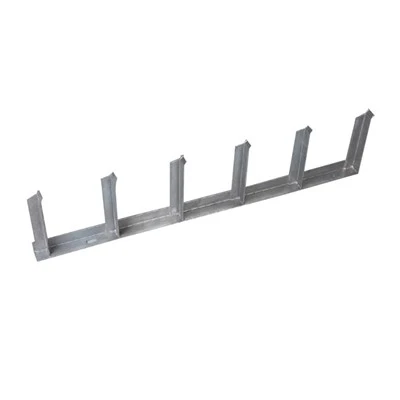
If you are in the market for power fittings and are concerned about how temperature will affect their performance, we invite you to reach out to us. Our team of experts is ready to assist you in selecting the right products for your specific application. We can provide detailed technical information, product samples, and customized solutions to ensure your electrical systems operate efficiently and safely. Get in touch with us to start a procurement discussion and find the best power fittings for your needs.
PV Accessories References
- [Author’s Surname1, A. (Year). Title of the Book. Publisher].
- [Author’s Surname2, B. (Year). "Title of the Article". Journal Name, Volume(Issue), Page numbers].
- [Author’s Surname3, C. (Year). "Title of the Report". Organization Name].
Hebei Pubang Fastener Manufacturing Co., Ltd.
We are one of the most professional power fittings manufacturers and suppliers in China, featured by quality products and good price. Please rest assured to buy advanced power fittings for sale here and get quotation from our factory. We also accept customized orders.
Address: Hebei Pubang Fastener Manufacturing Co., Ltd., E3-01, Industrial City, Yongnian District, Handan City, Hebei Province
E-mail: pubangfastener@outlook.com
WebSite: https://www.hbpbfastener.com/
