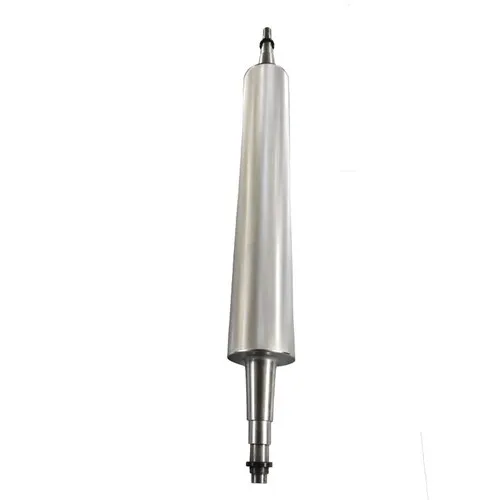
Hey there! I’m a supplier of embossing rollers, and I know firsthand how crucial it is to keep these bad boys clean. An embossed roller is a key player in various industries, from packaging to textiles, and a clean roller means better quality embossing and a longer lifespan for your equipment. So, let’s dive into how you can clean an embossing roller like a pro. Embossing Roller
Why Cleaning Matters
Before we jump into the cleaning process, let’s talk about why it’s so important. Over time, embossing rollers can accumulate all sorts of gunk, like ink, debris, and residue from the materials they’re working with. This buildup can lead to uneven embossing, poor image quality, and even damage to the roller’s surface. By keeping your embossing roller clean, you’ll ensure consistent, high – quality results and avoid costly repairs or replacements down the line.
Tools You’ll Need
First things first, you’ll need to gather the right tools for the job. Here’s a basic list:
- Cleaning Solvent: Choose a solvent that’s compatible with the type of residue you’re dealing with. For ink and general debris, a mild industrial cleaner or a specialized roller cleaner might do the trick. Just make sure to check the manufacturer’s recommendations to avoid damaging the roller.
- Soft Brushes: You’ll want a few different sizes of soft – bristle brushes. A small brush can get into the fine details of the embossed pattern, while a larger one can cover more surface area. Avoid using hard – bristle brushes, as they can scratch the roller’s surface.
- Lint – free Cloths: These are essential for wiping down the roller after cleaning. Regular cloths can leave lint behind, which can end up in your embossing process and cause problems.
- Gloves: Protect your hands from the cleaning solvent and any sharp edges on the roller. Chemical – resistant gloves are a great option.
- Safety Glasses: Just in case any cleaning solvent splashes up into your eyes. Safety first, folks!
Preparation
Now that you’ve got your tools, it’s time to prepare the roller for cleaning.
- Remove the Roller: If possible, take the embossing roller out of the machine. This will give you better access to all sides of the roller and make the cleaning process much easier. Make sure to follow the proper safety procedures and machine – specific instructions when removing the roller.
- Inspect the Roller: Take a close look at the roller to identify any areas with heavy buildup or damage. This will help you focus your cleaning efforts and determine if any additional steps are needed.
The Cleaning Process
Step 1: Pre – cleaning
Start by using a soft brush to gently remove any loose debris from the roller’s surface. Brush in the direction of the embossed pattern to avoid damaging it. You can also use compressed air to blow away any stubborn particles.
Step 2: Apply the Cleaning Solvent
Put on your gloves and safety glasses. Dip a lint – free cloth or a small brush into the cleaning solvent and apply it to the roller’s surface. Start with a small area and work your way around the roller. Make sure to cover all the embossed areas and the edges of the roller.
Step 3: Scrubbing
Use the appropriate brush to scrub the roller’s surface. For the fine details of the embossed pattern, use a small brush and be gentle. For larger areas, a bigger brush can be used with a bit more pressure. Keep scrubbing until the residue starts to loosen.
Step 4: Rinse
If the cleaning solvent requires rinsing, use a clean, damp lint – free cloth to wipe away the solvent and the loosened residue. Make sure to remove all traces of the solvent, as any leftover solvent can affect the embossing quality.
Step 5: Drying
Use a dry lint – free cloth to dry the roller thoroughly. Make sure there’s no moisture left on the surface, as it can cause rust or other damage over time.
Deep Cleaning for Stubborn Residue
Sometimes, regular cleaning isn’t enough to remove stubborn residue. In these cases, you might need to do a deep clean.
- Soaking: Fill a container large enough to hold the roller with a suitable cleaning solution. Submerge the roller and let it soak for the recommended amount of time. This can help loosen even the toughest residue.
- Ultrasonic Cleaning: If you have access to an ultrasonic cleaner, this can be a great option. The high – frequency sound waves create tiny bubbles that gently remove the residue from the roller’s surface. Just make sure to follow the ultrasonic cleaner’s instructions carefully.
After – cleaning Care
Once you’ve cleaned the roller, there are a few things you can do to keep it in top shape.
- Lubrication: Depending on the type of roller, you might need to lubricate it after cleaning. Use a lubricant recommended by the manufacturer to ensure smooth operation.
- Storage: If you’re not going to use the roller right away, store it in a clean, dry place. Protect it from dust and other contaminants by covering it with a protective sleeve or wrapping.
Troubleshooting
Even if you follow all the cleaning steps correctly, you might still run into some issues. Here are a few common problems and how to fix them:
- Streaks or Spots: If you notice streaks or spots on the embossed surface after cleaning, it could be due to leftover residue or a dirty cleaning cloth. Try repeating the cleaning process with a fresh cloth and make sure to remove all the residue.
- Scratches: If you accidentally scratched the roller during cleaning, it’s important to address it as soon as possible. Minor scratches can sometimes be polished out, but for deeper scratches, you might need to consult a professional.
Reach Out for More
Cleaning an embossing roller is a bit of a science, but by following these steps, you can keep your roller in great shape and ensure high – quality embossing. As a supplier of embossing rollers, I’ve seen firsthand the impact of proper cleaning on the performance of these rollers.
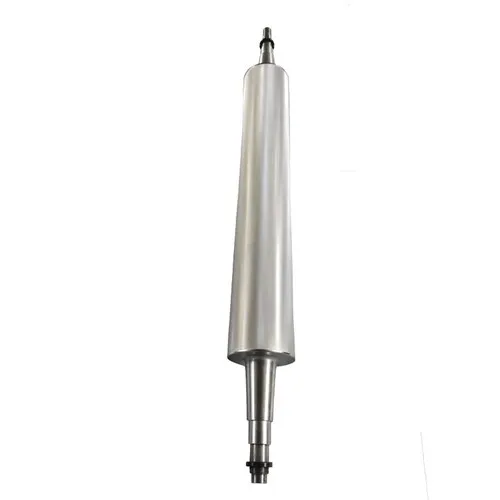
If you’re in the market for a new embossing roller or have any questions about cleaning or maintenance, don’t hesitate to reach out. I’d be more than happy to help you find the right roller for your needs and share more tips and tricks for keeping it in top condition.
Embossing Roller Let’s work together to make your embossing process as efficient and effective as possible. Start a conversation about your embossing roller needs today!
References
- Industry – specific cleaning guides provided by embossing equipment manufacturers.
- Technical literature on embossing roller materials and maintenance.
Kunshan Hanhan Co., Ltd.
We’re well-known as one of the leading embossing roller manufacturers and suppliers in China. We warmly welcome you to buy high quality embossing roller made in China here from our factory. If you have any enquiry about cooperation, please feel free to email us.
Address: No. 1093, B Zone, No. 2 Xugongqiao Rd, Huaqiao Town, Kunshan City, Suzhou, Jiangsu, China
E-mail: info@kshhroller.com
WebSite: https://www.kshh-roller.com/
