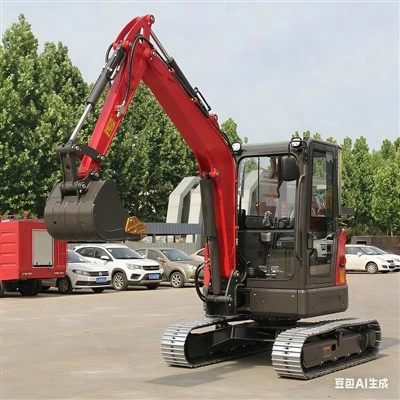
As a seasoned excavator supplier, I’ve witnessed firsthand the critical relationship between excavator performance and soil type. Excavation projects vary widely, from soft, sandy beaches to hard, rocky terrains, and each soil type presents unique challenges and opportunities. Understanding how to optimize your excavator’s performance on different soil types can significantly enhance productivity, reduce wear and tear, and ultimately save you time and money. In this blog, I’ll share some valuable insights and practical tips based on my years of experience in the industry. Excavator
Understanding Soil Classification
Before delving into optimization strategies, it’s essential to understand the basic classification of soil types. Soil can be broadly categorized into six main types: sand, silt, clay, loam, peat, and chalk. Each type has distinct characteristics that affect excavation operations.
- Sand: Sandy soil is composed of large particles, which allows for easy drainage and minimal cohesion. It is relatively easy to excavate but can pose challenges in terms of stability.
- Silt: Silt particles are smaller than sand but larger than clay. Silt soil has moderate cohesion and drainage properties, making it suitable for excavation but requiring careful handling to prevent erosion.
- Clay: Clay soil consists of very fine particles, resulting in high cohesion and low permeability. It can be challenging to excavate due to its sticky nature and tendency to retain water, which can lead to equipment slippage.
- Loam: Loam is a balanced mixture of sand, silt, and clay, offering the best of all worlds. It has good drainage, moderate cohesion, and is relatively easy to work with.
- Peat: Peat soil is rich in organic matter and has a high water content. It is soft and spongy, making it difficult to support heavy equipment and prone to subsidence.
- Chalk: Chalk soil is alkaline and composed mainly of calcium carbonate. It is hard and brittle, requiring powerful excavation equipment and specialized techniques.
Optimizing Excavator Performance on Different Soil Types
1. Sand
- Bucket Selection: Choose a bucket with a wide opening and sharp teeth to penetrate the loose sand easily. A scalloped or V-shaped bucket can help improve digging efficiency by reducing resistance.
- Operating Techniques: Use a smooth and continuous digging motion to prevent the sand from collapsing. Avoid overloading the bucket, as this can cause the excavator to lose stability.
- Traction and Stability: Ensure the excavator’s tracks or wheels have good traction on the sandy surface. Consider using wider tracks or tire chains to distribute the machine’s weight evenly and prevent sinking.
2. Silt
- Bucket Maintenance: Keep the bucket clean and free of silt buildup to maintain its digging efficiency. Regularly inspect the bucket teeth for wear and replace them as needed.
- Water Management: Silt soil can become saturated with water, reducing its stability and making excavation more challenging. Use dewatering techniques such as pumping or trench drains to remove excess water from the work area.
- Operator Skill: A skilled operator can adjust the digging speed and force to prevent the silt from sticking to the bucket and causing blockages. Gentle, controlled movements are key to efficient excavation in silt soil.
3. Clay
- Bucket Design: Opt for a bucket with a smooth interior surface and sharp edges to minimize clay adhesion. A bucket with a special anti-stick coating can also be beneficial.
- Pre-Treatment: If the clay soil is particularly hard and compacted, consider pre-treating it with water or a soil conditioner to soften it before excavation. This can reduce the resistance and make the digging process easier.
- Operator Training: Operating an excavator in clay soil requires patience and skill. Train operators to use short, powerful digging strokes and to periodically clean the bucket to prevent excessive clay buildup.
4. Loam
- Optimal Configuration: Loam soil is one of the easiest to work with, but it still requires the right equipment configuration. Choose a bucket with the appropriate size and shape for the job, and ensure the excavator’s hydraulics are properly adjusted for maximum efficiency.
- Efficient Digging: Take advantage of the loam’s favorable properties by using a continuous digging motion and filling the bucket to its maximum capacity. This can help reduce the number of passes and increase productivity.
- Soil Conservation: Since loam soil is fertile and valuable, it’s important to minimize soil disturbance during excavation. Use techniques such as topsoil stripping and reclamation to preserve the soil’s quality.
5. Peat
- Specialized Equipment: Peat soil requires specialized excavation equipment with low ground pressure, such as a swamp buggy or a floating excavator. These machines are designed to operate on soft, unstable surfaces without sinking.
- Dewatering and Stabilization: Before excavation, it’s crucial to dewater the peat soil to increase its stability. This can be achieved through methods such as vacuum dewatering or the installation of wick drains.
- Environmental Considerations: Peat soil is an important ecosystem component and plays a significant role in carbon sequestration. Take appropriate measures to minimize the environmental impact of excavation, such as avoiding unnecessary disturbance and restoring the site after the project is completed.
6. Chalk
- Powerful Equipment: Chalk soil is hard and brittle, requiring a powerful excavator with a high breakout force. Choose a machine with a large engine and robust hydraulic system to handle the tough digging conditions.
- Bucket Selection: Use a bucket with strong teeth and a reinforced structure to withstand the abrasive nature of chalk. A heavy-duty ripper attachment may also be necessary to break up larger chunks of chalk.
- Safety Precautions: Working with chalk can generate a significant amount of dust, which can be harmful to operators’ health. Provide appropriate personal protective equipment (PPE), such as respirators and goggles, and ensure proper ventilation in the work area.
Other Factors Affecting Excavator Performance
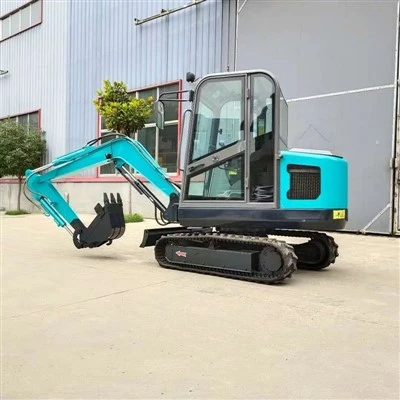
In addition to soil type, several other factors can influence the performance of an excavator on a job site. These include:
- Weather Conditions: Extreme weather conditions, such as heavy rain, snow, or strong winds, can affect the stability of the excavator and the quality of the excavation. Monitor the weather forecast and take appropriate precautions to ensure safety and productivity.
- Job Site Conditions: The layout and terrain of the job site can also impact the excavator’s performance. Consider factors such as slopes, obstructions, and access roads when planning the excavation operation.
- Maintenance and Upkeep: Regular maintenance and servicing of the excavator are essential to keep it in optimal condition. Follow the manufacturer’s recommended maintenance schedule, and address any issues promptly to prevent breakdowns and costly repairs.
Conclusion
Slip Loader Optimizing excavator performance on different soil types requires a combination of knowledge, experience, and the right equipment. By understanding the characteristics of each soil type and implementing the appropriate optimization strategies, you can improve productivity, reduce costs, and ensure the success of your excavation projects. As an excavator supplier, I’m committed to providing our customers with the highest quality equipment and expert advice to help them achieve their excavation goals. If you’re in the market for a new excavator or need assistance with optimizing your current equipment, I encourage you to contact me to discuss your specific needs. Let’s work together to take your excavation projects to the next level.
References
- ASCE. (2014). Geotechnical Engineering Circular No. 10: Evaluation, Analysis, and Design of Slopes for Highway Projects.
- ASTM. (2017). Standard Classification of Soils for Engineering Purposes (Unified Soil Classification System).
- Caterpillar. (2020). Excavator Operator’s Manual.
- Komatsu. (2021). Guide to Excavator Operation and Maintenance.
Shandong Feisite Machinery Co., Ltd.
As one of the most professional excavator manufacturers and suppliers in China, we’re featured by quality products and good service. Please rest assured to buy cheap excavator made in China here and get quotation from our factory. Customized orders are welcome.
Address: 100 meters south of Zengfusi Village, Mihe Town, Qingzhou City, Shandong Province
E-mail: Wpeng19911103@qq.com
WebSite: https://www.shandongfeisite.com/
