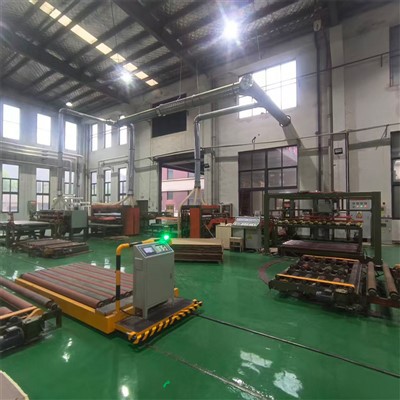
Hey there! As a supplier of gluing machines, I get asked a ton of questions about how to use them properly. One of the most common questions I hear is, "What is the glue curing time when using a gluing machine?" Well, let me break it down for you. Gluing Machine
First off, it’s important to understand what "curing time" actually means. In simple terms, curing is the process by which the glue goes from a liquid or semi – liquid state to a solid state, forming a strong bond between the materials it’s applied to. The curing time is the length of time it takes for this transformation to happen fully.
Factors Affecting Glue Curing Time
The curing time of glue when using a gluing machine isn’t set in stone. It can vary quite a bit based on several factors.
Type of Glue
There are so many different types of glues out there, and each has its own unique curing characteristics. For example, cyanoacrylate glues, also known as super glues, are known for their super – fast curing time. They can sometimes set in just a few seconds to a minute. These are great for quick fixes or small bonding jobs.
On the other hand, epoxy glues usually take longer to cure. They often come in two – part systems, where you have to mix the resin and the hardener. Depending on the specific product, epoxy glues can take anywhere from a few hours to a full day to cure completely. Polyurethane glues, which are really good for woodworking and outdoor applications because of their water – resistance, also tend to have a moderate to long curing time, often several hours.
Temperature
Temperature plays a huge role in glue curing. In general, warmer temperatures speed up the curing process, while colder temperatures slow it down. When it’s hot, the molecules in the glue are moving around more actively, which helps the chemical reactions that turn the glue from liquid to solid happen faster.
For example, if you’re using a water – based glue in a hot workshop (let’s say around 30°C or 86°F), it might cure in half the time it would at a cooler temperature, like 15°C (59°F). But be careful! If it’s too hot, some glues can dry out too quickly on the surface, leaving the inside uncured and creating a weak bond.
Humidity
Humidity is another key factor. Some glues, like polyurethane glues, actually need a certain amount of moisture in the air to cure properly. In low – humidity environments, they might take longer to cure. But for other glues, especially water – based ones, high humidity can cause problems. If there’s too much moisture in the air, it can prevent the water in the glue from evaporating, which means the glue won’t dry and cure as it should.
Material Surface
The type of material you’re gluing also affects curing time. The porosity of the material is a big deal. If you’re gluing porous materials like wood or paper, the glue can soak into the tiny holes and pores, which can slow down the curing process. Non – porous materials like metal or plastic, on the other hand, don’t absorb the glue, so the curing can happen more quickly on the surface.
Understanding Glue Curing Stages
Glue curing usually happens in several stages. The first stage is the open time. This is the period after you’ve applied the glue when you can still position the materials you’re gluing together. The open time varies depending on the glue type. For some fast – setting glues, the open time might be just a few seconds.
Then comes the initial set time. This is when the glue starts to get tacky and holds the materials in place to some extent. But at this stage, the bond isn’t fully strong yet.
Finally, there’s the full cure time. This is when the glue has reached its maximum strength and durability. You should wait until the glue has fully cured before putting any stress on the bonded materials.
How Gluing Machines Influence Curing Time
As a gluing machine supplier, I know how our machines can affect the curing process. Gluing machines are designed to apply glue evenly and precisely. This even application can have an impact on curing time.
When the glue is applied evenly, it cures more uniformly. Uneven glue application can lead to parts of the bond curing at different rates, which can weaken the overall bond. Our gluing machines can also control the amount of glue applied. If too much glue is used, it will take longer to cure, because there’s more material that needs to go through the curing process.
Some of our gluing machines are equipped with features that can actually help speed up the curing process. For example, some have built – in heaters or blowers. These can increase the temperature around the glued area, which as we know, speeds up curing for most types of glues.
Determining the Right Curing Time for Your Project
So, how do you figure out the right curing time for your specific project? The first thing I always recommend is to read the manufacturer’s instructions on the glue you’re using. They’ll usually give you a general idea of the curing time under normal conditions.
But since the real – world conditions can vary so much, it’s a good idea to do a test run. Take a small piece of the same material you’re going to use in your project, apply the glue using your gluing machine, and see how long it takes to cure. You can test the bond strength by trying to gently pry the pieces apart at different intervals.
Keep in mind that different projects may have different requirements. If you’re making something that will be under a lot of stress, like a heavy – duty furniture piece, you’ll want to make sure the glue has fully cured, even if it takes a little longer.
Importance of Correct Curing Time
Getting the curing time right is crucial. If you don’t wait long enough for the glue to cure, the bond between the materials will be weak. The glued parts might come apart easily, or the bond could break under normal use.
On the other hand, waiting too long doesn’t really do any harm in most cases, but it can slow down your production process if you’re working on a large – scale project.
Conclusion
In conclusion, the glue curing time when using a gluing machine is influenced by a bunch of factors, including the type of glue, temperature, humidity, and the material surface. As a gluing machine supplier, we’re here to help you make the most of your gluing process.
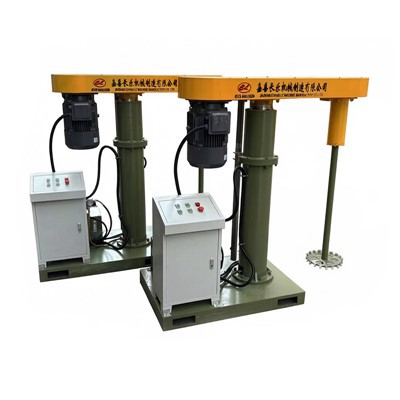
Double Moving Plate Cold Press If you’re in the market for a high – quality gluing machine or have more questions about glue curing times, don’t hesitate to reach out. We’ve got a wide range of machines to suit different needs and budgets. Whether you’re a small – scale crafter or a large – scale manufacturer, we can find the right solution for you. Let’s start a conversation and see how we can help you with your gluing projects!
References
- Handbook of Adhesive Technology, Second Edition by Skeist, Irving
- Adhesives and Sealants: Chemistry and Technology by Mittal, K. L.
Jiashan Changle Machinery Manufacturing Co., Ltd.
We’re well-known as one of the leading gluing machine manufacturers and suppliers in China, also support customized service. Please feel free to buy advanced gluing machine for sale here from our factory. Quality products and punctual delivery are available.
Address: Building 12, Zone A, Wanyang Innovation City, No. 23 Yucao South Road, Ganyao Town, Jiashan County, Jiaxing City, Zhejiang Province
E-mail: Changle84615620@163.com
WebSite: https://www.changlejx.com/
