Hey there! If you’ve just booked a neck lift, or are mentally prepping to go under the knife soon, one of the first things you’re probably obsessing over (aside from “will I actually like the results?”) is: when can I get back to working out? I get it—for a lot of us, exercise isn’t just a habit, it’s how we blow off steam, feel strong, and keep that post-surgery glow from sticking around. I’m not a doctor, obviously, but I’ve spent years working with patients pre and post neck lift, and I’ve got all the straight, no-jargon answers you need. Let’s break it down, no fluff. Neck Lift
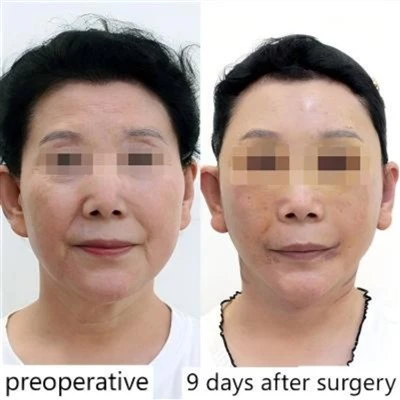
First, let’s get one thing straight: your neck lift recovery timeline isn’t a one-size-fits-all. I’ve had 40-year-old gym teachers back to walking in 3 days, and 30-year-old desk workers who had to take 2 weeks off just for light errands. It all depends on the type of neck lift you get, your overall health, how well you follow post-op care, and even if you’re a smoker (pro tip: smokers take way longer to heal, so if you’re reading this pre-surgery, quit 4 weeks before if you can—your skin will thank you). But let’s stick to the general, evidence-based rules, because that’s what matters most for not messing up your results.
Let’s start with the first 1-2 weeks post-surgery—this is the super critical “no strenuous activity” window. Your surgeon will slap bandages, possibly a compression garment around your neck (think of it like a tight, comfortable neck hug that helps reduce swelling and keep your skin where it needs to be), and you’ll have small incisions hidden under your chin or behind your ears. Even something as small as raising your heart rate a little, like climbing a flight of stairs fast or doing a quick walk, can raise blood flow to your neck and cause extra swelling, bruising, or even pull on those healing incisions. I’ve seen patients try to do a 20-minute walk at day 5, and end up with a nasty bruise that stuck around for 3 weeks—total buzzkill. So for the first 7 days, stick to literally the easiest movement possible: slow walks around your house to grab water, sit on the couch, and don’t lift anything heavier than a gallon of milk (that goes for kids, pets, groceries—no heroics here).
Wait, what if you have to get out of the house for something? Like, picking up a kid from school? Make it a super slow, flat walk, no rushing. And definitely don’t do any neck bending or stretching at this point—no touching your chin to your chest, no turning your head all the way left or right. Your healing incisions are delicate, and those movements can put stress on them.
Now, the 2-6 week mark—this is the “light activity” phase. After your first post-op checkup (usually around day 7 or 10), your surgeon will give you the green light for super low-effort movement. We’re talking slow, 10-15 minute walks, gentle swimming laps only if you’re in a saltwater pool (chlorine can irritate incisions), or super gentle yoga poses that don’t involve neck movement or lifting. No core work here, no arm exercises that make you hunch over, no running, no gym time, no heavy lifting. I had a patient who tried to do shoulder presses at week 3, and ended up with a seroma (a fluid pocket under the skin) that needed to be drained—avoid that at all costs. The rule here: if it makes you sweat more than a tiny bit, it’s too much. If it makes your heart rate go above, like, 100 bpm (you can check with a quick pulse), pause.
By week 6, most patients can move into moderate activity. This is where you can step up your walks to 30-45 minutes, maybe try a light jog, do some strength training with very light weights (3-5 lbs max) as long as it doesn’t involve neck strain. Wait a second—neck strain is still the key here. So if you’re doing bicep curls, don’t hunch your neck forward, keep it neutral. If you’re doing planks, modify to knees, and keep your core tight so your neck doesn’t dip. Most surgeons will say you can get back to most non-neck-intensive exercises by week 6, but still no high-impact stuff like sprinting, jumping jacks, or contact sports.
Now, the big one: when can I go back to my regular workout routine? That’s usually around 8-12 weeks post-surgery. This is the sweet spot where your incisions are fully healed, the swelling is mostly gone, and your skin has settled into its new shape. That means you can go back to spin class, heavy lifting, HIIT, whatever you were doing before. But here’s a pro tip: take it slow. Don’t jump back into a 90-minute leg day with deadlifts that make you grunt and hunch your neck. Ease into it—first, do your usual workout, but cut out any neck-specific movements, and then add them back in over a week or two. I’ve had patients who went all-in on their old routine at 8 weeks and ended up with stretching of the incision line, which left a wider scar. Not worth it.
Wait, what about people who do neck-specific exercises—like crunches, neck stretches, or resistance band work for the neck? You must wait longer than 12 weeks for that. Most surgeons recommend 16 weeks before doing any targeted neck exercises, because those movements directly put stress on the healing tissues. Even if you’re super eager to strengthen your new neck shape, hold off—once you’re cleared, you can start with super light resistance bands, no heavy weights, and build up slowly. Skipping that step could undo the work your surgeon did.
Now, let’s talk about red flags. If at any point during your recovery, you get sudden pain, more swelling than you had at the first week, drainage from the incisions, or numbness that doesn’t go away, stop whatever you’re doing and call your surgeon immediately. Don’t push through it—better safe than sorry.
A lot of patients ask me: “Can I do yoga or Pilates sooner?” The short answer: only if it’s the super gentle, restorative kind, with no twisting, stretching, or holding poses that require neck movement. Power yoga, hot yoga, or Pilates with core work? No, save that for week 8+. I once had a patient who went to a hot yoga class at week 2, and the heat made her swelling double—she had to wear a bigger compression garment for another week.
Also, let’s talk about compression garments. A lot of people hate wearing them, but they’re not just a nuisance—they help keep your neck stable during early movement. Even when you’re cleared for light walks, wearing your compression garment for 6-8 weeks will give you extra support and reduce the risk of swelling. I know it’s not the most fashionable thing, but it’s worth it.
Here’s a thing that no one tells you: your energy levels will be way lower than usual during recovery. Don’t try to work out just to “keep up” with your old routine—rest is part of healing. Your body is using all its energy to repair the incisions and reshape your neck, so forcing a workout when you’re exhausted will only slow down recovery. If you feel like moving, do a slow walk, but if you want to nap, nap. That’s totally normal.
Wait, what if I had a mini neck lift vs. a full neck lift? Mini neck lifts are less invasive, so the timeline is a little shorter. For mini neck lifts, most surgeons will clear you for light activity at week 1, moderate at week 4, and back to full workouts at week 8. Full neck lifts (which involve more incisions and more tissue work) will add 1-2 weeks to each phase, so full workouts at 10-12 weeks. That’s just a general rule—always follow your surgeon’s specific timeline, because they know your body best.
I’ve also noticed that people who follow their post-op care exactly end up getting back to workouts way faster. Things like staying hydrated, eating enough protein (protein is key for healing, by the way—chicken, fish, beans, Greek yogurt), not smoking, and not picking at incisions all make a huge difference. I’ve had patients who skipped protein and took 2 weeks longer to heal, just because their body didn’t have the building blocks to repair the tissue.
Now, let’s address the elephant in the room: can exercise affect your neck lift results? Absolutely, which is why waiting the right amount of time is so important. Strenuous exercise before your incisions are fully healed can cause them to widen, lead to uneven swelling, or even pull on the underlying tissue that was tightened during surgery. That’s why your surgeon’s timeline isn’t just a suggestion—it’s to protect your results. I’ve seen too many patients rush back and regret it, so don’t be that person.
At the end of the day, the best thing you can do is follow your plastic surgeon’s post-op instructions to the letter. They’ve done hundreds of these procedures, so their timeline is tailored to your safety and your results. But if you’re wondering about general timelines, that’s exactly what I laid out here:
- 0-1 week: No exercise, just slow, minimal movement
- 1-6 weeks: Light activity only, heart rate under 100 bpm
- 6-8 weeks: Moderate activity, no high impact or neck strain
- 8-12 weeks: Return to most regular workouts, build up slowly
- 16+ weeks: Targeted neck exercises (if cleared)
If you’re in the market for products that support your neck lift recovery—like compression garments made specifically for neck lifts, or post-op care supplies that help with swelling and scarring—we’ve got you covered. We design all our products with post-neck lift patients in mind, so they’re comfortable, effective, and easy to wear during every phase of recovery. Whether you’re prepping for surgery or 2 weeks post-op and need a better compression garment, we can help you find the right fit.

If you’re interested in learning more about our post-neck lift recovery products, or have questions about how to support your recovery, reach out to our team to discuss your needs. We’re here to help every step of the way.
Eye Wrinkle Removal REFERENCES
- American Society of Plastic Surgeons (ASPS). “Neck Lift Recovery Guidelines.” 2023.
- Journal of Plastic, Reconstructive & Aesthetic Surgery. “Post-Operative Activity Restrictions After Facial Contouring Procedures.” 2022.
- Mayo Clinic. “Guidelines for Returning to Exercise After Cosmetic Surgery.” 2024.
- International Society of Aesthetic Plastic Surgery (ISAPS). “Patient Recovery Protocols for Neck Lift Procedures.” 2023.
Yuan Qiang
With over 20 years’ experience, Dr. Yuan Qiang is a professional doctor specializes in comprehensive treatment for neck lift. If you have any enquiry about neck lift, please feel free to email us. Good service and reasonable price are available.
Address: 602, South Zone, 5th Floor, Building 122, Nanhu Dongyuan, Chaoyang District, Beijing
E-mail: 496864416@qq.com
WebSite: https://www.yuanqiang-doctor.com/
