If you’ve ever stood next to a hydraulic machine that’s been reduced to a sticky, oil-stained mess, you know the frustration of a leaking hydraulic cylinder. As a hydraulic system supplier with more than 18 years of on-the-ground troubleshooting experience, I’ve seen this problem halt job sites, delay industrial projects, and leave operators scratching their heads. A leaking cylinder isn’t just a messy nuisance—it can drop equipment efficiency by 20% or more, raise maintenance costs, and even create safety hazards if fluid drips onto walkways or moving parts. Let’s break down why leaks happen, how to spot them early, and what you can do to get your system back on track. Hydraulic System
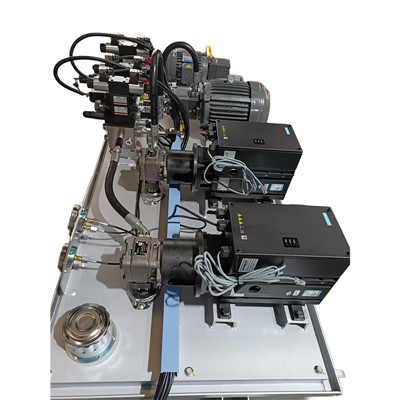
First, a quick recap of how a hydraulic cylinder works, because understanding the basics is key to spotting leaks. A hydraulic cylinder is a linear actuator that converts pressurized fluid from your hydraulic pump into force, moving a load forward or backward. It has three core components: a barrel (the hollow metal tube that holds the fluid), a piston inside the barrel that splits it into two separate chambers (cap and rod), and a rod that extends from the piston out of the barrel. Seals—small, precision-machined rings—sit at the point where the rod exits the barrel and around the piston, creating a tight barrier that keeps high-pressure fluid inside. When those seals fail, fluid escapes, and that’s when you get a leak.
Not all leaks are the same, and identifying where the leak comes from tells you a lot about what’s causing it. I’ve found that most leaks fall into three categories: external, internal, and external-to-internal cross-leaks. External leaks are the most visible—you’ll see fluid dripping down the rod or pooling around the cylinder’s gland (the end cap where the rod exits). Internal leaks are hidden: fluid is seeping from the cap chamber to the rod chamber past the piston seal, but you won’t see it on the outside. The worst type, cross-leaks, happen when fluid moves between the cylinder’s chambers or into external ports, and it’s usually a sign of a serious component failure.
Let’s start with the most common cause of external leaks: worn or damaged seals. Seals are the unsung heroes of your cylinder, and they take a beating every time the rod extends or retracts. Over time, exposure to extreme pressure, temperature swings, and even the chemicals in your hydraulic fluid cause seals to harden, crack, or lose their elasticity. For example, if you’re running a system in a cold climate, seal material can become brittle and crack during low-temperature starts. If your system operates at 3,000 PSI or higher, dynamic seals (which move with the rod) can experience excessive friction that wears them down faster than static seals. Another issue with seals: contamination. Dirt, metal shavings, or tiny debris that gets past your cylinder’s wiper seal (the first line of defense at the rod’s exit) will grind against the main seals like sandpaper, creating small gaps where fluid can escape. I once worked with a construction company that had a fleet of excavators leaking at the rod; when we disassembled the cylinders, we found fine concrete dust had built up on the wiper seals, wearing through the main rod seals in just six months of regular use.
Next up: rod damage. The rod is the part of the cylinder that takes the most physical abuse, and even small scratches or dents can lead to leaks. When the rod moves in and out of the barrel, any imperfection on its surface acts like a hook, catching and pulling at the seal over time. A 0.1 mm scratch might seem trivial, but at high pressure, it’s enough to break the seal’s surface, allowing fluid to seep out. I had a forestry customer last year who was experiencing intermittent leaks on his log splitters; after inspecting the rods, we found deep gouges from a fallen branch that had scraped the rod during operation. The rod wasn’t bent or broken, but the scratches had worn away the seal’s edge, causing leaks only when the load reached a certain threshold. Even improper installation can damage the rod: if a technician forces the rod through the gland during assembly, it can create small burrs along the length that erode seals over time.
Cylinder barrel issues are another frequent culprit, though less common than seal or rod problems. The barrel is made of precision-machined steel, but if it’s exposed to harsh conditions or manufacturing defects, it can develop leaks. Internal corrosion is a big one here: if your hydraulic fluid has too much moisture (a common problem if you don’t regularly test fluid quality), it can cause rust to form on the inside of the barrel. That rust creates pitting—small holes or uneven surfaces—that let fluid seep through, even if the seals are in good shape. For smaller cylinders, manufacturing defects like porosity (tiny gaps in the steel during casting) can also lead to leaks, especially when operating at high pressure. I once had a customer with a batch of 10 small hydraulic cylinders for factory automation; all of them developed leaks after six months of use, and testing revealed each had hidden porosity in the barrel wall that only opened up under pressure.
Valve and port leaks are often mistaken for cylinder leaks, but they’re actually separate issues related to how the cylinder connects to the rest of the hydraulic system. The ports that attach your cylinder to the hoses or manifold can develop leaks if the fittings are loose, or if the O-rings around the ports are worn. Even minor vibration from operation can loosen fittings over time, causing fluid to escape at the connection point. I see this all the time with mobile equipment like trucks and tractors, which bounce and vibrate constantly: after a few months, port fittings that were torqued to spec during installation work loose, leading to leaks that operators often blame on the cylinder itself. Another port-related issue: if you use the wrong O-ring material for your hydraulic fluid, the O-ring can swell or degrade, creating gaps at the port connection. For example, using a rubber O-ring designed for petroleum-based fluid in a synthetic fluid system will break down quickly, leading to leaks within weeks.
Internal leaks are a bit trickier to diagnose, but they’re almost always due to seal failure or piston damage. When the piston seal wears out, high-pressure fluid moves from the cap chamber to the rod chamber, causing unequal force and making the cylinder slow or unresponsive. You might notice this as erratic movement or a drop in load capacity, even if there’s no external fluid visible. In some cases, the piston itself can become damaged if there’s contamination in the fluid; metal shavings can scratch the piston surface, creating small gaps that let fluid pass through. I once worked with a manufacturing plant that had a hydraulic press with internal leaks; the only sign was that the press took two extra seconds to cycle, and they had to double the pressure to get the same force. When we took the cylinder apart, we found metal debris from a failing pump had scratched the piston seal, causing the internal cross-chamber leaks.
Now that you know what causes leaks, let’s talk about how to prevent them—and what to do when you have one. First, regular maintenance is non-negotiable. I advise all our customers to do a visual inspection of their cylinders every 500 operating hours, checking for fluid drips, scratches on the rod, and rust on the barrel. Test your hydraulic fluid every 1,000 hours to check for moisture, contamination, and degradation; clean or replace fluid as needed to avoid corrosion and seal damage. Make sure you’re using the right seal material, rod coatings, and O-rings for your specific system. For extreme environments—like construction, forestry, or marine applications—we recommend hard chrome plating the rod to resist scratches and corrosion, and using polyurethane seals that hold up better than rubber in high-pressure, high-temperature conditions.

If you’re already dealing with a leak, avoid the common mistake of just tightening fittings or replacing seals without inspecting the root cause. I’ve seen countless customers spend money on new seals, only to have the leak come back in a month because the rod was scratched or fluid was contaminated. When troubleshooting, start by identifying the leak location: external? Internal? At the port? If it’s at the port, check the fitting torque first (don’t over-torque—this can break the fitting or strip the thread), then replace the O-ring if needed. If it’s at the rod, inspect the rod for scratches, then replace the wiper and main rod seals. If it’s an internal leak, you’ll need to disassemble the cylinder to check the piston seals and chamber walls. In many cases, a professional inspection will save you time and money in the long run.
Hydraulic Cylinder As a hydraulic system supplier, my team and I work with every kind of customer—from small construction shops to large industrial factories—solving cylinder leaks and system issues every day. We don’t just sell parts; we understand that your equipment is your livelihood, and a leak can cost you days of downtime, lost revenue, and unnecessary repair costs. Whether you’re dealing with a small external leak, suspecting internal damage, or need help designing a hydraulic system that’s built to resist leaks, we’re here to provide expert guidance, quality replacement components, and full system support. Don’t let a leaking cylinder slow your operations down—reach out to our team today to discuss your needs, and let’s find a solution that works for you.
References
- Hydraulic Cylinder Seals: Selection, Installation, and Maintenance. Fluid Power Society, 2021.
- Troubleshooting Hydraulic System Leaks: A Practical Guide. National Fluid Power Association, 2019.
- Effects of Contamination on Hydraulic Component Lifespan. International Journal of Fluid Power, vol. 18, no. 2, 2017, pp. 112-120.
- Hydraulic Cylinder Design Principles for Industrial Applications. Industrial Press, 2020.
- Mobile Hydraulic System Maintenance Best Practices. Construction Industry Institute, 2018.
Wuhu Zhongye Fluid Equipment Co., Ltd.
We are one of the most experienced hydraulic system manufacturers and suppliers in China, specialized in providing high quality customized products. Please feel free to wholesale bulk durable hydraulic system in stock here from our factory. Contact us for quotation.
Address: No.2, Hexing Road, Sanshan District, Wuhu City, Anhui Province
E-mail: zhongyehydro20@163.com
WebSite: https://www.zhongyehydro.com/
