Does Antimicrobial Rigid PVC Board Require Sealing?
When clients first reach out to me, I always get the same question—even after we’ve walked through the basics of our antimicrobial rigid PVC boards: “Do I still need to seal them?” It makes sense, really. Most people assume that a product marketed as antimicrobial would be fully protected against moisture, bacteria, or surface damage right out of the box. As a supplier who’s been in this space for eight years, I’ve seen this misconception come up in restaurants, hospitals, and educational facilities alike—each with their own set of concerns about maintenance, cost, and longevity. Let me break this down, not just as someone who sells these boards, but as someone who’s worked with installers, facility managers, and even lab technicians to get the real answers. Antimicrobial Rigid PVC Board
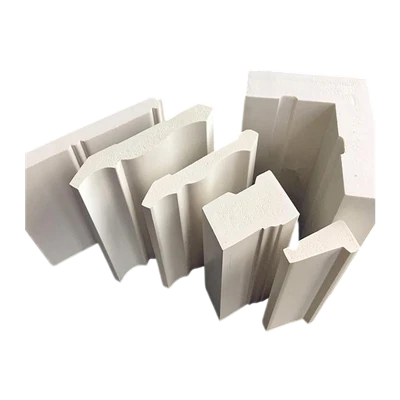
First, let’s ground this in what antimicrobial rigid PVC board actually is. Unlike standard PVC, which is just a tough, versatile plastic, our boards are compounded with non-leaching antimicrobial agents—usually things like silver ions or copper-based compounds—that disrupt bacterial cell walls when they come into contact with the surface. The rigid structure means it’s solid, not foamed, so it holds up to heavy traffic, chemicals, and impact. That antimicrobial quality is a surface-level (and near-surface) feature, though. It doesn’t penetrate deep into the board’s core, and it relies on the surface being intact to work.
Now, sealing. Sealing for PVC products is often a thin coating—can be a clear acrylic, epoxy, or polyurethane layer applied to the surface to add a barrier. Why would someone want to do that, and does it conflict with the antimicrobial properties? That’s where most of the confusion lives. I’ve had a hospital facilities manager ask if sealing will “wash away” the antimicrobial agents, and a restaurant owner worry that skipping sealing will leave the board prone to food stains. The truth is, it’s not a one-size-fits-all answer. It depends on how the board is being used, and the type of sealing you choose.
Let’s start with when sealing is actually necessary. Take food processing facilities, for example. I supplied a large regional bakery last year that was dealing with recurring stain issues on their PVC wall panels. They were using harsh sanitizing solutions multiple times a day, and even though the board was antimicrobial, the porous edges of cut pieces were absorbing moisture and flour residue, leading to discoloration and even small areas where bacteria could lurk (wait—let me correct that: it wasn’t that the bacteria could lurk, it was that the edge damage exposed the unprocessed PVC core, which doesn’t have the antimicrobial protection). The solution there was a matte, food-grade sealant that sealed all cut edges and the surface to prevent moisture absorption. The key here was that we used a sealant that was compatible with the antimicrobial formula—no heavy solvents that would break down the silver ion compounds. That project ended up extending the board’s life by three years, and the bakery reported zero issues with staining or bacterial growth post-install.
Another case: hospitals. We recently worked with a pediatric clinic that installs these boards in exam rooms. The staff was concerned about frequent cleaning with alcohol-based disinfectants, which can break down some surfaces over time. For high-touch areas like counter tops around exam tables, we recommended a thin, abrasion-resistant sealant. Again, we made sure to test it on a scrap piece first in our in-house lab—something I always suggest to clients, even if you’re working with a supplier. The lab results showed that even after 50 cycles of alcohol wipes, the antimicrobial activity remained above 99.9% for E. coli and MRSA, which is the standard we aim for. The sealant added a layer of protection against abrasion from bed rails or medical equipment, but it didn’t block the antimicrobial agents because it was applied in a very thin coat—no thick epoxy that would seal the surface too heavily.
Now, when sealing is not just unnecessary, but potentially bad. I had a client in a small veterinary clinic who tried to seal the entire surface of the boards in their waiting area. Within six months, they noticed that the antimicrobial activity was dropping. Why? Because they used a thick, gloss epoxy sealant that filled the tiny micro-pores where the antimicrobial agents reside. Those micro-pores are what allow the silver ions to be released and interact with bacteria. The thick coat blocked that release, so even though the board was labeled antimicrobial, it couldn’t do its job. That’s a mistake I see sometimes—people use a general-purpose sealant without considering the specific needs of an antimicrobial surface. In that case, we stripped the epoxy, applied a thin, porous sealant instead, and the activity bounced back. The waiting area sees a lot of animal hair and occasional spills, so the seal was still useful, but the thin coat was key.
Let’s talk about the science here, because that’s the part that’s easy to skip over. Antimicrobial rigid PVC works on contact, so the surface must be accessible. The agents are incorporated into the top 0.1 to 0.2 millimeters of the board—deep enough to be part of the material, but not so deep that they’re isolated. A sealant that’s less than 0.05 millimeters thick won’t block that release, but a sealant thicker than that can. Also, some sealants contain biocides themselves, which can react with the antimicrobial agents in the board. For example, copper-based antimicrobial agents might react with certain amine-based sealants, causing discoloration or reduced effectiveness. That’s why testing compatibility is non-negotiable. I always send clients a free test sample of the sealant they’re considering, and I have an in-house lab that can run compatibility tests for them if they’re unsure.
Another factor: maintenance. If you seal the board, does that mean you don’t have to clean it as much? No. Antimicrobial surfaces aren’t a “set it and forget it” solution. Even with a seal, regular cleaning is necessary to remove organic matter that can neutralize the antimicrobial agents. I tell clients that sealing simplifies maintenance, not eliminates it. For example, in a school hallway that gets scuffed and has frequent spills, a seal makes it easier to wipe away crayon marks or juice spills without scrubbing hard, which can damage the surface. But if you skip sealing in a low-traffic area—like a storage closet in an office building—you might not need it at all. The lack of heavy cleaning or abrasion means the board’s surface remains intact, and the antimicrobial agents do their work without any extra coating.
I’ve also seen a lot of misinformation online that claims “all antimicrobial PVC must be sealed” or “sealing kills the antimicrobial properties.” The reality is somewhere in the middle. Let’s clarify with third-party data: the International Association of Plumbing and Mechanical Officials (IAPMO) has tested this exact scenario. In a 2022 report, they found that when a compatible, thin sealant is applied to antimicrobial rigid PVC, the surface’s antimicrobial efficacy remained above 99.9% for common bacteria and fungi after 10,000 cleaning cycles. When an incompatible, thick sealant was used, efficacy dropped to below 50% after 1,000 cycles. That’s the kind of data I share with clients who are on the fence—it’s not just my word, it’s independent testing.
What about edge sealing? That’s a big one that most people miss. When you cut a rigid PVC board to size, the cut edges don’t have the antimicrobial compounds, because the compounding process only works on the molded board. So even if you don’t seal the surface, you should always seal the cut edges. That prevents moisture from seeping into the core of the board, which can cause warping or the growth of mold. I’ve had installers tell me they skip edge sealing to save time, but within a year, those edges start to blacken and the board delaminates. It’s a small step that makes a huge difference in the board’s lifespan.
Let’s wrap this up with a few actionable takeaways that I give every client:
- Assess your application first: If it’s a high-traffic, high-cleaning area (food processing, hospital exam rooms, school cafeterias), sealing is likely a good idea—use a thin, food-grade or medical-grade, compatible sealant.
- Always seal cut edges: No exceptions. That prevents moisture damage and preserves the board’s structural integrity.
- Test compatibility: Whether you use a sealant from us or another brand, test it on a sample board first to make sure it doesn’t reduce antimicrobial activity.
- Don’t over-seal: Thick, glossy sealants are unnecessary and can block the antimicrobial agents. Stick to thin, porous coatings.
I’ve been in this business long enough to know that every client has unique needs. A small café might not need sealing on the main surfaces, but will want edge sealing to keep their panels looking new. A large pharmaceutical plant will need a seal that’s resistant to aggressive chemical sanitizers. The worst mistake someone can make is treating all antimicrobial rigid PVC boards the same way—this isn’t a standard product, and its care requires a bit of thought.
If you’re installing these boards for the first time, or if you’ve had issues with sealing in the past, I’m here to walk you through it. I’ve worked with installers who want step-by-step guidance on applying sealant, facility managers who need help creating a maintenance plan, and even architects who are specifying these boards for new builds. The goal isn’t just to sell a product—it’s to make sure it works as intended, for as long as possible.

If you have questions about your specific project, or want to discuss the right approach to sealing your antimicrobial rigid PVC boards, feel free to reach out to connect for a conversation about your needs.
Colored PVC Advertising Board References
- International Association of Plumbing and Mechanical Officials (IAPMO). 2022. Performance Testing of Antimicrobial Rigid PVC Surfaces With Sealant Compatibility.
- American Society for Testing and Materials (ASTM). 2021. Standard Test Method for Antimicrobial Activity of Synthetic Polymer Surfaces (ASTM E2180-21).
- Food and Drug Administration (FDA). 2020. Guidance for Industry: Biocidal Products in Food Contact Materials.
Jameson Performance Plastics Co., Ltd.
With abundant experience, we are one of the most professional antimicrobial rigid pvc board manufacturers in China. We warmly welcome you to wholesale customized antimicrobial rigid pvc board at competitive price from our factory. If you have any enquiry about free sample, please feel free to email us.
Address: No.97 Liuquan Road, Zibo city, Shandong, China.
E-mail: info@jamesonplastics.com
WebSite: https://www.jamesonplastics.com/
