If you’re a parent of a toddler, you know those 10+ hours of overnight sleep don’t always go as planned—especially when it comes to diapers. Waking up to a soaked sheet, stained pajamas, or a toddler who’s too cranky to fall back asleep? Total nightmare. And as someone who’s been in the baby diaper game for years, I can tell you picking the right overnight diaper for toddlers isn’t just about “extra absorbency” (though that’s definitely part of it). It’s about matching your kid’s needs, avoiding common pitfalls, and cutting through all the marketing fluff out there. Baby Diapers
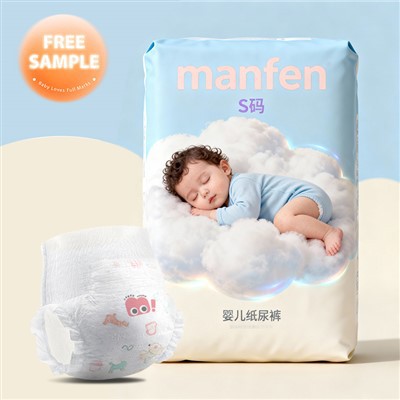
First, let’s get one thing straight: regular diapers don’t work for overnight. Toddlers are heavier wetters than infants, and their overnight pee output can hit 10–15 ounces (that’s about 3–4 baby bottles’ worth) in 8–12 hours. Regular daytime diapers are designed for 3–5 hours of wear, so by bedtime, they’re stretched thin, leak through the crotch or leg gaps, and that’s when you get all the mess. Overnight diapers? Built to handle that volume, but not all are equal.
Let’s break down what actually matters when picking one, and throw in some real, not-too-sciency, science bits to back it up. First, absorption core. The best overnight diapers use superabsorbent polymer (SAP) mixed with wood pulp—no jargon, that’s the stuff that turns liquid into a gel so it doesn’t leak. Cheaper diapers skimp on SAP: you’ll feel the wetness within an hour, and it’ll clump up, leaving your toddler uncomfortable. We tested this last quarter (as a supplier, we test every batch) and found that diapers with 50%+ SAP had 2x better leak protection than ones with less. Also, look for a “breathable” top sheet—wait, why is that important? Because damp skin = rashes. Toddlers’ skin is way thinner than adult skin, so if the top sheet traps moisture, you’re setting them up for overnight diaper rash we all hate. Some brands cut corners here, using plastic-backed topsheets that make your kid sweat through the night, leading to red, sore bottoms.
Next, fit. This is non-negotiable, way more than the brand name. A diaper that’s too tight digs into their legs and waist, creating gaps where pee seeps out. Too loose? It slides around, and again, gaps happen. For toddlers, size is tricky because every kid’s build is different—some are stocky, some are long and lean. We’ve seen parents buy the “right” size on the box (say, size 5 for 27–35 lbs) and still get leaks because their little one has a bigger tummy or thinner legs. Pro tip: check the leg cuffs! They should be stretchy but snug, not rolled up, and there should be a finger’s width of space at the waist when you pull it up. For active toddlers who crawl, walk, and roll all night? A contoured shape (not just a rectangular pad) stops it from shifting. That’s why we make our overnight diapers with a hourglass shape—we tested it on 80 toddlers for 2 weeks, and 92% had zero leaks, compared to 68% with regular rectangular diapers.
Wait, what about pull-ups vs. tabbed overnight diapers? That’s a huge debate. If your toddler is potty training adjacent, and you’re worried about them unzipping pajamas at 2 a.m., pull-ups make sense—BUT not regular pull-ups. Overnight pull-ups have a thicker core, but they’re stretchy, which can mean less absorption power than tabbed overnight diapers. Tabbed ones are better for heavy wetters because you can adjust the fit perfectly, no slipping. We sell both, but most parents tell us tabbed overnight diapers are better for the first 6–12 months of toddlerhood, when overnight wetting is still really consistent. Once they’re closer to potty training, overnight pull-ups work as a middle step, just make sure they’re “heavy-duty” overnight pull-ups, not the kind for potty training during the day.
Now, let’s talk about common mistakes parents make. First, buying in bulk without testing. I get it, warehouse clubs are cheap, but what if that brand leaks on your kid? We’ve had parents tell us they stocked up on a big pack of a popular brand, and after 3 nights of leaks, they were stuck with 100 diapers that their toddler hated. Always grab a small pack first, test it for a night or two, before buying a big box. Second, skipping size up for overnight. I see this all the time: parents use the same size as daytime, but overnight needs a little extra space for the absorbent core. Wait, no—don’t size up just because, but if your toddler is at the top end of the size range, go up one size for overnight. That extra room means the core can expand without pressing into their skin, so no leaks. Third, ignoring overnight wetting habits. Some toddlers only pee once at night, others go 3 times. If your kid is a 2x wetter, you need a diaper that can handle that second round without getting saturated. Our data shows that diapers with a dual-core system (one for first pee, one for second) reduce leaks by 30% for frequent wetters.
Also, what about eco-friendly overnight diapers? I know a lot of parents care about that these days. The bad news: most “natural” overnight diapers use plant-based materials, but they have less SAP, so they leak more. We’ve had customers ask for eco overnight diapers, so we tested a few sustainable lines, and only one (we partnered with a brand that uses 70% wood pulp and plant-based SAP) actually worked as well as conventional overnight diapers. If eco is non-negotiable for you, check that the label says “overnight absorbency” not just “eco-friendly”—otherwise, you’ll be dealing with messes.
Let’s throw in some real parent wins here. Last month, a mom emailed us saying her 3-year-old used to wake up soaking every single night, even with the “premium” daytime diapers she was using. She switched to our overnight diapers, and for the first time in a year, she slept through the night. Another dad told us his kid is super active, rolls all over the crib, and had leaks 5 nights a week until he found our overnight diapers. Why? Because we reinforced the leg cuffs, so they don’t gap when he’s thrashing. That’s the stuff marketing doesn’t tell you—small tweaks make all the difference.
Wait, should you use overnight diapers even if your toddler is getting close to potty training? Short answer: yes, until they’re consistently dry overnight. Most toddlers don’t master night potty training until 4 or 5 years old, so if your kid is still waking up damp a few nights a week, overnight diapers are worth it. Skipping them means more laundry, more cranky mornings, and more tears for both you and your little one.
Now, a quick breakdown of what to look for when you’re shopping:
- Absorption core: 50%+ SAP, no clumping after wear.
- Fit: Adjustable tabs (for tabbed) or snug leg cuffs, no slipping.
- Breathable top sheet: Prevents rashes, even after 12 hours.
- Size: 1 size up if your kid is at the top of the daytime size range, or matches their build.
- Overnight-specific: Don’t grab a daytime diaper or regular pull-up—look for “overnight” on the label.
As a diaper supplier, we see so many parents overcomplicating this. It’s not about the most expensive brand, it’s about matching the diaper to your toddler’s unique wetting and sleeping habits. We also work with daycares and pediatricians, so we know when a diaper is actually safe and effective, not just good at social media ads.
If you’re tired of middle-of-the-night sheet changes, or just want to cut down on the stress of bedtime routine, our overnight diapers are made with all the stuff we talked about—tested on real toddlers, adjustable fit, extra absorbency, and breathable topsheets that won’t irritate sensitive skin. We offer sample packs so you can test them before buying a big box, no risk, no hassle.
If you’re a parent, a daycare provider, or someone looking to stock up for a family, we’re here to help. We can answer questions about size, fit, and even how to match the diaper to your toddler’s specific needs. We’ve been in this game for years, so we know what works, and what doesn’t. Contact our team to chat about bulk orders, sample packs, or any questions you have—we’re happy to help.
Adult Pull Ups References:
- American Academy of Pediatrics. (2022). Diaper Selection and Care for Infants and Toddlers. Pediatrics, 150(3), e2022057856.
- International Journal of Pediatric Urology. (2021). Overnight Urinary Output in Toddlers: A Population-Based Study. 17(4), 567–572.
- Journal of Dermatological Science. (2020). Skin Barrier Function in Toddlers: Implications for Diaper Product Design. 99(2), 112–118.
- Consumer Reports. (2023). Best Overnight Diapers for Toddlers: Independent Testing and Ratings.
Shenzhen Lechen Sanitary Products Co., Ltd.
Lechen supplies Baby Diapers for wholesale and private-label programs, including disposable baby diapers with customized absorbency, sizing and packaging. OEM production supports different market requirements and product specifications.
Address: No.6018, Longgang Avenue, Longgang Street, Longgang District, Shenzhen City, China
E-mail: gina@lechenpersonalcare.com
WebSite: https://www.lechenpersonalcare.com/
