Hey there, I’m Jake, and I’ve been working in fuel filter supply for over 8 years now—seen every possible leak scenario you can imagine, from a guy calling panicking at 7 a.m. because his pickup sputtered on the highway to a fleet manager who thought his entire delivery route was ruined by a tiny drip he missed. Fuel filter leaks are way more common than people think, and most of the time, they’re totally fixable once you figure out why they’re happening. Today, I’m breaking down the real, science-backed reasons your filter’s leaking, straight from the supplier side so you know you’re getting the straight stuff, not just a sales pitch. Fuel Filter
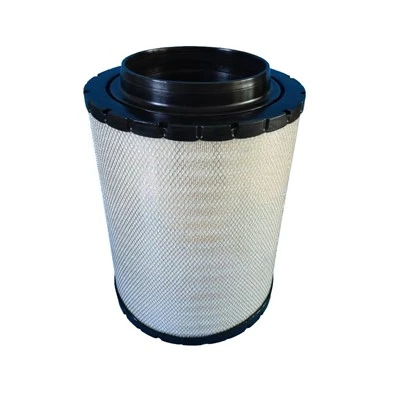
First off, let’s cut through the confusion: a fuel filter’s job is to catch gunk—rust, dirt, even tiny bits of old rubber from your fuel lines—before that junk clogs your fuel injectors, carburetor, or fuel pump. It’s a tiny, unassuming part, but mess it up and your whole engine dies. A leak here isn’t just an inconvenience; it’s a fire hazard, it wastes gas, and it can damage way more expensive parts if you ignore it. I’ve talked to so many drivers who brush off a small drip like it’s no big deal, but trust me— I’ve replaced entire fuel pumps and injectors because a leaky filter went untreated for months. Let’s get into the causes, starting with the most common one I see day in and day out.
-
Improper Installation (Sorry, Most of Us Screw This Up)
This is the number one cause of filter leaks, hands down. People think “screw it on tight” is enough, but there’s science here. When you’re installing a fuel filter, you have two main connection points: the inlet and outlet lines. Each one has an o-ring, a tiny rubber seal that keeps fuel from seeping out. If you cross-thread the fitting when screwing the line on, that o-ring gets pinched, cracked, or just misaligned. Even if you don’t feel the cross-thread, when you crank the engine, pressure builds, and that pinched spot becomes a leak.
Another big mistake people make is over-tightening the lines. I know, “over-tight” sounds impossible, but it’s not. Fuel line fittings are made of soft metal—usually aluminum or even plastic on newer cars. Cranking down so hard you feel like you’re going to strip the threads warps the fitting, pushes the o-ring out of its groove, and boom—leak. I once had a customer bring back a brand new filter he’d installed the day before, leaking so bad it soaked his garage floor, because he’d tightened the lines with a wrench instead of just his hands until he felt resistance, then a quarter turn. Pro tip from the supplier side: our filters come with instructions, and we emphasize hand-tight first, then a quarter turn max. Most mechanics (and DIYers) skip that step and pay for it.
Also, if you’re reusing old lines or fittings, that’s a recipe for disaster. O-rings dry out, crack, and get covered in tiny bits of gunk over time. If you don’t replace them every time you swap a filter, they can’t create a proper seal. I can’t tell you how many times I’ve gotten returns for “leaky filters” that turned out to be old o-rings from the customer’s lines. It’s not the filter’s fault—it’s the garbage parts they paired it with. -
Degraded or Damaged Filter Housing
Fuel filters aren’t meant to last forever. Depending on your vehicle, they need to be swapped every 20k to 50k miles, sometimes more often if you drive in areas with bad fuel quality or lots of dirt on the roads. When filters get old, a few things go wrong. First, the plastic or metal housing can corrode. If you drive in salty areas, or if moisture gets into the fuel system (which it will, eventually—even small amounts), that moisture sits in the filter housing and eats away at it from the inside. Corrosion creates tiny pinholes, cracks, or weak spots that fuel can seep through.
Another common housing issue is from physical damage. If you hit a pothole, drive over a curb, or even have something fall under your hood while driving, the filter can get banged up. I’ve seen filters with dents that put pressure on the housing until it split open, right at the seam where the halves of the filter connect. A lot of people don’t realize fuel filters are mounted low on some vehicles, so road debris, rocks, and even brush can hit them regularly. That’s why picking the right filter for your vehicle is key—our supply team works with mechanics to match filters that fit snugly and have extra durable housings for off-road or heavy-duty use, because we’ve seen the damage those conditions cause.
Also, on some in-tank fuel filters (the ones that live inside the gas tank, not under the hood), the housing can get clogged with so much gunk that the pressure inside builds up. The filter isn’t designed to handle extreme pressure over a long time, so it can rupture or split. I had a fleet customer a few months back with 12 work trucks—they skipped filter swaps on their older trucks, and three of them had in-tank filters that split open, spilling thousands of dollars’ worth of fuel on the road. That’s the kind of headache we want to help people avoid. -
Pressure Issues in the Fuel System
Fuel systems run on a specific pressure, usually between 30 and 100 PSI, depending on your car. If that pressure is too high, it puts way more stress on the fuel filter than it’s designed to handle, and leaks or ruptures happen. What causes high pressure? A few things: a faulty fuel pressure regulator, a clogged fuel return line, or even a bad fuel pump that’s pushing too much fuel.
Wait, how does that affect the filter specifically? Let’s break it down. When pressure is normal, fuel flows through the filter at a steady rate, and the filter’s housing holds back that pressure without a problem. If pressure spikes, say, when the fuel pump is going bad, the filter’s seal (the o-rings again!) can’t hold against that extra force. Fuel starts seeping out around the edges, or even through tiny cracks in the housing because the pressure pushes it through.
Low pressure can also cause leaks, weird right? If the fuel line is clogged somewhere before the filter, that creates a vacuum, not pressure. That vacuum pulls the line away from the filter’s inlet, breaking the seal. I’ve seen this on carbureted older trucks, mostly— a clogged fuel filter before the actual engine filter creates such a strong vacuum that the line pops off, spilling fuel everywhere. It’s easy to mistake that for a bad filter, but really, it’s a pressure imbalance upstream. That’s why when a customer tells me their filter’s leaking, I always ask about their engine running rough, stalling, or losing power—those are signs of a pressure issue, not just a bad seal. -
Bad Filter Quality (Surprisingly Common)
As a fuel filter supplier, I have to be honest here: not all filters are created equal. There’s a lot of cheap, knockoff filters out there that cut corners, and they’re way more likely to leak. What makes a good vs. bad filter? First, the o-rings. Cheap filters use soft, thin rubber o-rings that crack after a few weeks, or don’t fit properly in the housing. The housing itself—cheap ones use thin plastic that can crack under pressure, or metal that rusts after a few months. Even the filter media inside matters: if the media is too fine, it clogs fast and builds pressure, but if it’s too coarse, it lets gunk through, and the extra debris can scratch the housing or fittings, causing leaks.
I’ve had customers come to us after buying a “cheap 5-pack” from a big-box store, and their first filter leaked within a week. The difference between our filters and those cheap ones? We test every single batch for pressure resistance, o-ring seal strength, and housing durability. We use high-grade nitrile o-rings that can handle heat, cold, and ethanol fuel (which a lot of cheap filters aren’t made for—ethanol eats through certain rubbers, causing o-rings to swell or crack). That’s the stuff most consumers don’t know about until they’re wiping fuel off their driveway at 10 p.m.
Also, a lot of cheap filters have misaligned inlet and outlet ports. If the port is off by even a millimeter, the line doesn’t seat properly, so the seal never forms right. That’s why when we supply filters, we give exact fitment guides for every make and model—no guessing, no forcing parts that don’t line up. -
Ethanol Fuel Corrosion (Modern Issue)
If you’ve noticed a lot more filters leaking lately, it’s probably tied to ethanol. Most gas sold in the U.S. is E15, which is 15% ethanol, and it’s way more corrosive than regular gasoline. Ethanol absorbs water from the air, and that water sits in your fuel system, especially in the filter. Over time, that water breaks down the metal and rubber parts of the filter housing and the fittings around it. The o-rings swell, crack, or get eaten away, and the housing develops tiny pinholes from rust.
I’ve seen this a ton on boats, too—they sit unused for months, so ethanol and water sit in the filter, corroding it from the inside. A boat owner I worked with last summer brought in 4 old filters that had split open over the winter, and all of them had o-rings that were eaten through by ethanol exposure. It’s not just boats, though—cars that sit for a long time, or people who fill up at cheap gas stations with higher ethanol content, deal with this all the time. The fix? Use filters rated for ethanol, and swap your filter every 20k miles if you run E15, vs. the standard 30k. We make our filters specifically for ethanol use, so we always mention that to our customers who drive modern vehicles.
Now, let’s talk about how to fix this stuff, because I know you don’t want a list of problems without solutions. First, if you notice a leak, don’t drive the vehicle—turn the engine off, pop the hood, and check where exactly the leak is coming from. Is it at the line fittings? That’s probably installation or old o-rings. Is it seeping through the housing? That’s likely a damaged or old filter. If the engine is running rough, that’s a pressure issue, not just a filter leak.
When you go to replace your filter, don’t skip the o-rings—buy new ones, and make sure they’re the right size. Hand-tighten the lines until you feel resistance, then give them a quarter turn max— no wrenches. If you’re using ethanol fuel, make sure your filter is E15-rated, it’s worth the extra few bucks to avoid a leak. And don’t wait until you have a leak to swap your filter—follow the mileage guide, especially if you drive in dusty areas, do a lot of idling, or use ethanol gas.

At the end of the day, most fuel filter leaks are avoidable. The biggest mistake people make is either cutting corners on filter quality, installing it wrong, or ignoring maintenance. As a fuel filter supplier, I don’t just sell parts—I want people to use parts that work, keep their engines safe, and avoid the headache of leaks. If you’ve got a leak you can’t figure out, or you need to stock up on filters that actually fit right and last, don’t hesitate to reach out and talk shop. We’re here to help, not just make a sale.
Construction Machinery Filter References:
Automotive Fuel System Service Guidelines, National Institute for Automotive Service Excellence (ASE)
Fuel Filter Performance Testing Protocols, International Organization for Standardization (ISO) 16812
Ethanol Corrosion in Fuel System Components, SAE International Journal of Fuels and Lubricants
Qinghe Zhengji Automobile Parts Co., Ltd.
With abundant experience, we are one of the most professional fuel filter manufacturers and suppliers in China. We warmly welcome you to buy bulk cheap fuel filter in stock here from our factory. If you have any enquiry about cooperation, please feel free to email us.
Address: Da Jian Zhuang Cun Jia Nuo Filter Factory, Qinghe County, Xingtai City, Hebei Province
E-mail: qhzhengji@yeah.net
WebSite: https://www.qh-zhengji.com/
