If you’ve ever wondered what “a safe house for crime survivors” actually means—beyond the vague, dramatic framing in movies—let me pull back the curtain. I’ve spent the last 8 years running a small, specialized team that supplies these spaces, and I can tell you it’s way more than just a lock on a door. It’s the difference between a survivor sleeping with a phone under their pillow and actually breathing easy for the first time in months. Safe House
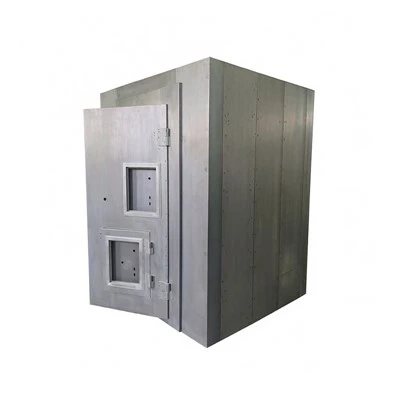
First, let’s clear up a common mix-up: this isn’t a hotel for people escaping a bad situation. It’s not a short-term vacation spot. It’s a trauma-informed, legally protected space designed specifically for survivors of domestic violence, human trafficking, sexual assault, or violent crime. Every part of it is built around one rule: the survivor is in control. No one tells them when to leave, who they can let in, or how to live while they figure out their next step.
Let me introduce you to Mia, a survivor I worked with last year. She reached out to me at 2 a.m., crying so hard she could barely talk. Her ex had been tracking her for 6 months, and she’d barely slept on her friend’s couch because she was terrified he’d show up. When we moved her into one of our safe houses, the first thing we didn’t do was hand her a list of rules. We gave her a fully furnished apartment—she could have the lights on or off, order takeout at 3 a.m., or sit on the couch and stare at the wall all day, no questions asked.
The legal side of things is non-negotiable, too. All our spaces are registered with local law enforcement as restricted addresses, which means no public records link them to the survivor. We also work with lawyers to make sure any restraining orders filed are enforceable across county lines, because a lot of survivors don’t realize their protection might only work in one small area. That’s the stuff no one talks about—if a survivor’s safe house isn’t legally shielded, they’re not safe at all.
Trauma-informed design is another big part. Most regular apartments are made for convenience, but our spaces are made to reduce hypervigilance. For example, we install window locks that are easy to use one-handed (survivors often have injuries from attacks) and front doors with deadbolts that don’t make a loud, clunky noise when you lock them—loud sounds can trigger flashbacks. We also avoid anything like floor-to-ceiling glass that lets strangers see inside, because even small, constant observations can keep a survivor stuck in fear.
Wait, but don’t get me wrong—this isn’t just “a nice place to hide.” We also connect every survivor to tailored support, but only if they want it. Some survivors just need 3 months to rest while they file for divorce or get new ID. Others want to dive into job training or counseling. We don’t push any of it. Last quarter, a survivor named Javi stayed with us for 4 months while he finished a certificate program for electricians. We helped him set up a quiet workspace in his apartment, and he only checked in with our team when he needed a reference for his classes. No extra meetings, no unsolicited advice.
A lot of people ask me, “Why can’t survivors just stay with friends or family?” The answer is simple: abusers often use loved ones to track survivors down. They’ll call a friend, pretend to be a relative, and beg for information. We’ve seen it happen dozens of times—so a separate, unlisted space is non-negotiable. It’s also way harder for an abuser to access, even if they try to manipulate someone close to the survivor.
Now, let’s talk about what we do as a supplier. I know a lot of organizations out there struggle with two things: finding reliable, private spaces for survivors that aren’t overpriced, and making sure those spaces are actually equipped to handle trauma. We solve both. We don’t just rent out apartments—we vet every property owner to make sure they won’t share information about the space, and we customize each unit based on the survivor’s needs. For example, if a survivor has a disability, we install wheelchair ramps and grab bars. If a survivor has kids, we make sure the common areas are child-safe, no sharp corners or small choking hazards.
I can’t tell you how many times I’ve heard from nonprofits that they had to turn away a survivor because they had no safe spaces left. That’s where we come in. Our team works with local shelters, legal aid groups, and social service organizations to supply these spaces on a flexible basis—no long-term contracts, no hidden fees. We adjust the length of stay based on what the survivor needs, not what a spreadsheet says.
But let’s get real for a second: it’s not perfect. We’ve had situations where an abuser somehow found out about a space, so we’ve had to move a survivor at 1 a.m. We’ve had to replace a window lock because it was too easy for an abuser to pick. Those are the mistakes that keep us sharp—we’re constantly updating our protocols based on what survivors and the organizations that work with them tell us.
Here’s another angle: a safe house isn’t just physical space. It’s a promise. It’s the promise that no one will judge you for staying longer than you thought you needed, or for leaving sooner than planned. It’s the promise that your address will never be shared, even by accident. It’s the promise that you don’t have to be “strong” or “ready” to get help—you just have to be ready to take care of yourself.
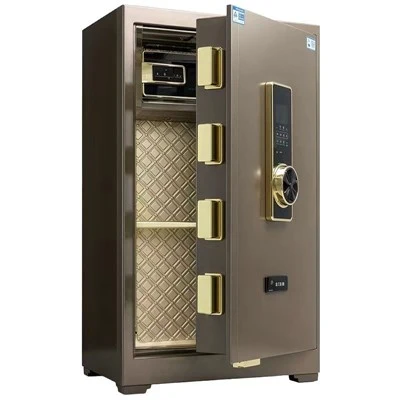
Last month, Mia sent me a text. She got her own apartment, started a job at a vet clinic, and was planning to adopt a rescue dog. That’s the whole point of what we do: we’re not here to fix someone. We’re here to give them the space to figure out how to fix themselves.
Protective Pod If you run a nonprofit, a legal aid service, or any organization that supports crime survivors, and you’re looking for reliable, trauma-informed safe spaces to supply—let’s talk. We can walk you through exactly how our vetting and customization process works, answer any questions you have about legal protection, and find a solution that fits your needs. There’s no pressure, no fine print. Just a conversation about how we can better support the people who need it most.
References
- Campbell, J. C., et al. (2003). Risk factors for femicide in abusive relationships: Results from a multisite case control study. American Journal of Public Health.
- U.S. Department of Justice. (2021). Trauma-Informed Principles for Victim Assistance Programs.
- National Coalition for Domestic Violence. (2022). Safe Housing Guidelines for Survivors.
- Higgins, J. A., et al. (2018). Housing stability and mental health outcomes among survivors of intimate partner violence. Journal of Interpersonal Violence.
- International Organization for Migration. (2020). Safe Housing Protocols for Human Trafficking Survivors.
Hebei Xinrui Intelligent Technology Development Group Co., Ltd.
With abundant experience, we are one of the most professional safe house manufacturers and suppliers in China. We warmly welcome you to buy high quality safe house at competitive price from our factory. If you have any enquiry about customized service, please feel free to email us.
Address: No.1, Building B, Intelligent Security Industry Park, Economic Development Zone, Wuyi County, Hengshui City, Hebei Province
E-mail: shinraysafe@163.com
WebSite: https://www.shinraysafe.com/
