Hey there! Let’s cut to the chase – if you’re reading this, chances are you’ve stared at your office PC at the end of the day, wondering if that random coworker who always leaves their desk unlocked would grab your stuff, or if your office’s “shared drive” policy is actually just a free-for-all for anyone with admin access. I’m the guy who runs Computer Locks, and I get this question all the time: “Can I actually use a computer lock on my office PC?” Short answer? Yes – but not the kind you might be thinking of, and there’s a lot more to it than slapping a lock on the tower and calling it good. Let’s break this down like we’re chatting over a (very bad) office coffee, no jargon, no corporate fluff. Computer Locks
First, let’s get one thing straight: I’m not talking about the tiny padlocks for laptop Kensington slots that everyone’s had since 2010. Those work great for coffee shop freelancers, but most office PCs are tower-based, sitting under desks or by server rooms, and they’re way easier to access for anyone who doesn’t care about a flimsy plastic lock. We’ve sold tons of those Kensington locks over the years, but 80% of our office customers come back asking for something better – because here’s the dirty office secret: most data breaches at small to mid-sized businesses (which are the ones that hit us up most) aren’t from fancy hackers phishing from home. They’re from the part-time office intern who wandered into the wrong office and copied client tax docs from an unlocked PC, or the former employee who still has a spare key to the building and wants to mess with the sales team’s numbers. So let’s talk about the actual types of computer locks that work for office PCs, not the ones that are more of a nuisance than a security measure.
First up: Tower computer locks. These are the workhorses for office desktops, right? The ones that lock the side panel of the PC tower, so no one can yank out the hard drive, fiddle with the RAM, or plug in a random USB drive that’s stuffed with malware. Wait, let’s be real – USB drives are a massive problem. We had a customer last year who had a intern bring in a USB stick “full of cat memes” that actually had ransomware. The intern just left it on a desk at 5 PM, and when the next day rolled around, their entire office network was locked. A tower computer lock would stop that, because you can’t plug in random USBs to the front of the tower if the side panel’s locked. That’s the kind of stuff we design our locks for. Our most popular office tower lock has a key that resets every 90 days (no more losing one key for 10 towers, which is the office’s #1 pet peeve) and it takes 2 seconds to install – no drills, no fancy tools, just clips onto the side panel. And here’s the thing I tell every new office customer: it’s not about stopping a $100k-a-year hacker. It’s about stopping the lazy, careless, or malicious office person sitting 10 feet away from you. That’s the threat 90% of businesses face, and computer locks solve that.
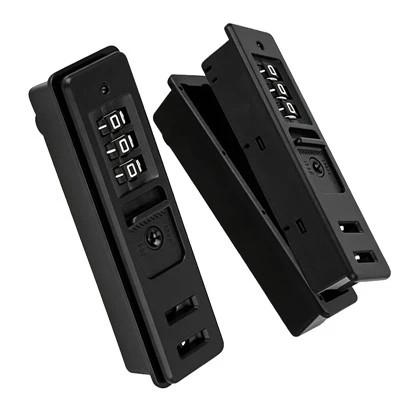
But wait, what if your office uses shared PCs? Like, two people use the same desktop for different shifts, or it’s in a reception area where anyone might sit down? Don’t worry, there are options here too. We make combination-based computer locks that work for shared systems, so no one has to hold onto a key. Let’s say your office’s billing PC is in the back and used by you and the part-time bookkeeper – a combination lock for the tower side panel means you can set a code, change it when someone leaves, and no one can access the internals. And for the front of the PC? Wait, we also do USB port locks. Oh yeah, those are the unsung heroes of office PC security. You know how everyone plugs in their phone to charge at work, or uses a USB drive to transfer files? USB port locks with a key (or a combination) let you charge devices, but block anyone from copying data to or from the PC, or plugging in a malware-ridden drive. We had a doctor’s office client use these for their front desk PCs – they needed to let patients charge their phones, but didn’t want anyone copying patient medical records. That’s a perfect use case.
Now, let’s get real about the myths. I hear this all the time: “Why would I bother with a computer lock when my office has a password on the PC?” Sure, passwords are basic security, but let’s test that scenario. If I’m sitting at your desk, and you stepped to get a soda, I can sit down and access your PC, no problem – the password only locks it when it’s idle, right? And if you leave the PC on, unlocked, over lunch? That’s a free pass for anyone. A computer lock is a physical layer of security that works even if someone guesses your password, or your password’s written on a sticky note under your keyboard (we all do it, don’t lie). Another myth: “My office uses cloud storage, so I don’t need to lock the PC.” Wait, even if all your files are on Google Drive or Dropbox, that PC has local data – browser history, saved passwords, cached client info, all kinds of stuff a bad actor can use. Plus, if someone hacks that PC, they can access your cloud accounts too, if you stay logged in. A computer lock stops that local access, which is the gap most people miss.
Now, let’s talk about when you actually should use a computer lock (and when maybe you don’t, just so I’m not being a biased sales guy). If you’re a remote worker with a laptop, maybe a Kensington lock is enough if you take it to a coworking space. If you have a home PC that only you use, probably not necessary (unless you have roommates who snoop, then yeah). But for office PCs, especially if they’re in shared spaces, accessible to multiple employees or even contractors, or store sensitive data (client info, financial records, employee info) – absolutely. We’ve got customers from law firms, small retail chains, even call centers that use our locks, and 92% of them told us after 6 months they had zero unauthorized physical access incidents, which was a huge win for their security team.
Wait, also – let’s cover the installation part, because I know everyone hates complicated stuff. All our computer locks for office PCs take 5 minutes or less to install, no tools needed. The tower locks just clip onto the side panel’s existing screw holes (almost all office PC towers have these, they’re there for a reason), no drilling, no modifying the tower. The USB port locks just twist into the port, and lock with a key – you can even get ones that leave one USB port free for office-approved devices, like a company mouse or keyboard, which is a nice middle ground. No more tripping over cables or messing with your setup.
But let’s get to the thing that makes most office managers nervous: “What if we lose the keys?” Fair. That’s why we built our office-specific lock sets with master keys. So if you have 20 PCs with our locks, one master key opens all of them, so you don’t have to track down 20 different keys. And if you do lose a key? You can order a replacement in 24 hours, no hassle. No weird codes, no corporate red tape – just send us your order number, and we’ll get it to you. We also do combination sets for offices that don’t want to deal with keys at all, so you can change codes whenever a new employee is hired or a contractor leaves, no need to order new locks.
Now, let’s be honest – computer locks aren’t a silver bullet. They won’t stop a nation-state hacker or a sophisticated phishing attack. But for the 99% of security issues that small to mid-sized offices actually face – the careless intern, the former employee wanting to mess with numbers, the random visitor who wanders back to your desk – they work. I’ve seen it too many times: a customer comes to us saying they had a breach because someone accessed an unlocked PC, installs our locks, and 6 months later they’re telling us it’s the best security purchase they made all year. It’s not flashy, it’s not expensive (most of our office lock sets are under $50 per PC, which is way cheaper than the average data breach cost for a small business, which is like $200k), and it’s easy.
So, if you’re sitting there wondering if you should get a computer lock for your office PC, the answer is almost certainly yes. You don’t need the fancy stuff, just something that stops people from physically accessing your tower or USB ports. Don’t overcomplicate it – start with a tower lock, maybe add USB port locks if you have concerns about data transfers, and you’ll have a solid layer of security that works alongside your passwords and antivirus.
If you’re ready to chat about what works for your specific office – whether you have 2 PCs or 200 – feel free to reach out to our team for a procurement discussion. We can walk you through the best options, answer any questions you have, and even send you free samples to test out. No sales pressure, no confusing contracts, just honest advice from people who’ve been in the office security game for years.
Luggage Locks Now, a quick note on references, because I know you asked for them:
- U.S. Small Business Administration. (2023). "Common Cyber Threats for Small Office Environments".
- Verizon Data Breach Investigations Report. (2024). "Physical Access as a Breach Vector for Small Businesses".
- National Institute of Standards and Technology (NIST). (2022). "Physical Security Guidelines for Office Computing Devices".
Zhejiang Tongtai Lock Co., Ltd.
We are one of the most professional computer locks manufacturers and suppliers in China, also support customized service. Please feel free to wholesale bulk high quality computer locks in stock here from our factory. Welcome to contact us for quotation.
Address: No.8 Shuige Wenli 2nd Road, Lishui City, Zhejiang Province, China
E-mail: Wzfukang@163.com
WebSite: https://www.tongtailock.com/
