When I first started in the gas generator supply game, I thought “one size fits all” would work for every client. Spoiler: it doesn’t. Over the last 8 years helping labs, manufacturing plants, and small businesses find the right gear, I’ve seen way too many folks waste money on a generator that can’t keep up with their needs, or one that’s way too overkill for what they actually require. That’s why today we’re breaking down the main types of gas generators—no jargon, just straight talk on what each does, who needs it, and why getting the right one matters. Gas Generator
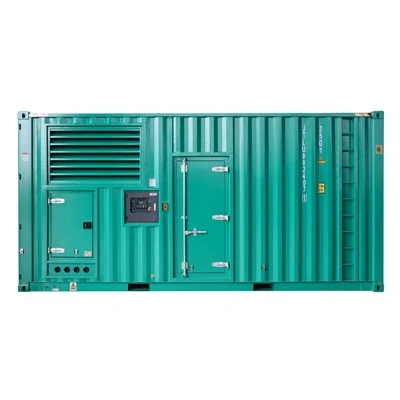
First, let’s set the basics. A gas generator is basically a machine that produces pure, consistent gas without the hassle of storing and changing heavy cylinders. For anyone who’s dealt with running out of nitrogen in the middle of a critical lab test, or an oxygen cylinder leaking in a manufacturing facility, you know why these are a game-changer. They’re compact, low-maintenance, and way safer than storing high-pressure gas containers long-term. Now, onto the types—these are the ones I get asked about most every single week.
- Nitrogen Generators
Nitrogen is the workhorse of a lot of industries, right? Labs use it for mass spec, LC-MS, and sample prep. Food and beverage plants use it to package snacks to keep them fresh (no stale chips here). Manufacturing uses it for purging pipes, welding, and electronics production too. The most common type here is membrane nitrogen generators. Think of a membrane generator like a super tiny filter that separates nitrogen from the air around us. Air is 78% nitrogen, 21% oxygen, and 1% other stuff—pump compressed air into this membrane, and it pushes oxygen, water vapor, and other impurities out one side, leaving pure nitrogen (usually 95-99.9% pure) on the other. These are great for low to medium flow needs, like small labs or small food packaging lines. They’re cheap to run, almost no moving parts, so less to break.
Then there’s PSA (Pressure Swing Adsorption) nitrogen generators, which are for when you need higher purity. PSA uses two chambers full of carbon molecular sieve. When you push compressed air into the first chamber, the sieve grabs the oxygen and other big molecules, letting nitrogen pass through. Once the sieve is full, you switch pressure, flush out the junk, and repeat. These can get you 99.999% pure nitrogen, which is perfect for things like pharmaceutical manufacturing or advanced analytical lab work—where even a tiny bit of oxygen can mess up a test or product. I usually tell people if they’re only going to use nitrogen for basic flask drying, a membrane unit is fine. But if it’s for HPLC or packaging sensitive meds? Go PSA. No in-between.
- Oxygen Generators
Oxygen generators are mostly used in healthcare (hospitals, clinics, home care), aquaculture (fish farms need high oxygen for stock), and wastewater treatment. For hospitals, the standard is PSA oxygen generators—same concept as the nitrogen PSA ones, but the sieve is tuned to pull oxygen out of air instead. These give you 90-95% pure oxygen, which is exactly what hospitals use for patient respiratory support. Way better than bulk oxygen cylinders because you never run out, and you don’t have to store huge tanks in tight spaces.
Then there are portable oxygen concentrators, which are a smaller, lighter version of the same tech. A lot of my clients are elderly folks who need oxygen at home but go on trips—these plug into a wall or a car, fit in a backpack, and run all day. I also work with aquaculture farms, which sometimes use membrane oxygen generators too, for lower flow needs where they just need to aerate large ponds. Membrane oxygen units are less common here, but when the flow is low, they’re way more affordable than PSA.
-
Hydrogen Generators
Hydrogen is a big one for analytical labs—GC (gas chromatography) systems run on hydrogen, way cheaper and safer than using high-pressure hydrogen cylinders. I’ve had so many lab techs tell me they used to deal with cylinders rolling around the lab, which is a huge fire hazard. These days, almost all labs switching to hydrogen generators. There are two main types here: alkaline electrolyzer generators and PEM (Proton Exchange Membrane) electrolyzer generators. Alkaline ones use a solution of water and potassium hydroxide to split water into hydrogen and oxygen via electricity. They’re super durable, low cost to run, and great for high flow needs—like labs with multiple GC units running 24/7. PEM generators are newer, use a solid membrane instead of the liquid solution, so they’re smaller, purer hydrogen (99.999%+), and better for low to medium flow, plus they don’t have any corrosive liquid to deal with. The only downside with PEM is they’re a bit pricier upfront, but for small labs, the space saving is worth it. I once helped a university lab swap their old hydrogen cylinders for a PEM unit; they had more lab space, no more cylinder delivery fees, and saved thousands a year. Win-win. -
Compressed Air Generators (Wait, Why Are These a Gas Generator?)
A lot of people don’t realize compressed air is a “gas” too, and generators for it are super common. These are used for everything from powering pneumatic tools in manufacturing, to cleaning lab equipment, to operating control systems in factories. The two main types are reciprocating (piston) air generators and rotary screw air generators. Reciprocating ones are like big, powerful pumps, good for small shops or intermittent use—run tools when you need them, shut off when you don’t. They’re cheaper upfront, but noisier and use more energy long-term. Rotary screw units are the workhorses for continuous use, like assembly lines or 24/7 production. They’re quieter, more energy efficient, and can deliver a steady flow of compressed air for hours. I’ve seen a lot of small business owners go for the reciprocating one to save cash, only to have it burn out after a year because they used it way more than intended. Always think about your usage: intermittent = reciprocating, continuous = screw. -
Specialty Gas Generators
Now, the ones for the niche stuff—these are for when you need a specific gas that isn’t one of the big four. Things like argon, carbon dioxide, acetylene, or even mixed gases for welding, lab research, or food processing. For example, argon generators use membrane or PSA tech to pull argon from air, used in welding (to shield the weld from oxidation) and in high-intensity lighting. Carbon dioxide generators are super popular for indoor farming—plants need CO2 to grow, so these generate it on-site instead of buying bulk tanks. A lot of craft breweries use CO2 generators too, for carbonating beer and purging tanks. The cool thing here is specialty generators can be custom-tuned to exactly what you need. If a brewery needs 100 cubic feet of CO2 a day for their 5 tap system, we can size it right. If a welding shop needs 500 cubic feet of argon an hour for a big job, we have units for that.
Now, let’s talk about what I see most when clients get this wrong. I had a client last year, a small biotech startup, who bought a nitrogen generator for their lab’s sample prep. They went for the cheapest membrane unit, but their sample prep needed 99.9% pure nitrogen, and the membrane only did 95%. They ended up having to rent a temporary nitrogen cylinder for 3 months while waiting for the right PSA unit. That cost them way more than if they’d just gotten the right one first. Another one: a fish farm in Florida went with a cheap portable oxygen unit for their 10,000-gallon pond. It was way too small, the fish started dying because oxygen levels dropped, and they lost thousands of dollars in stock. So here’s the rule I always tell people: know your flow rate, know your purity requirement, and match the generator to both. Don’t just go for the cheapest option.
Also, let’s not sleep on the benefits of gas generators over cylinders—no delivery wait times, no heavy lifting, safer (no high-pressure tanks sitting around), and way more consistent gas quality. Cylinders can have impurities from storage, or run out mid-use, which is a huge problem. Generators are on-demand, so you always have gas when you need it.
If you’re reading this and thinking, “I need a gas generator but I have no clue which one,” hit up our team. We’ve helped everyone from high school science labs to Fortune 500 manufacturing plants pick the right unit, install it, and even maintain it long-term. No sales pitches, no confusing jargon—just straight talk on what will work for your space, your budget, and your needs. We’ll walk you through flow rates, purity levels, and even talk through your daily usage to make sure you don’t end up with a unit that’s too big or too small.
Don’t waste another day worrying about running out of gas, or overpaying for a unit you don’t need. Reach out to our team to chat through your requirements, and we’ll help you find the perfect gas generator for your operation.
Open Type Generator Set References:
- Gas Processors Suppliers Association. (2020). Gas Generation Technologies: A Practical Guide. GPSA Publishing.
- American Society for Testing and Materials. (2019). Standard Practice for Gas Purity Verification for Analytical and Industrial Applications. ASTM International.
- National Fire Protection Association. (2021). Safety Standards for Compressed Gas Generators in Commercial and Industrial Settings. NFPA.
- Global Industry Analysts. (2022). Market Analysis of Portable and Stationary Gas Generators: Trends and Growth Opportunities. GIA Reports.
Taizhou Jinte Electromechanical Technology Co., Ltd.
We are one of the most professional gas generator manufacturers and suppliers in China. With abundant experience, we offer a wide range of generators with superior quality. Please rest assured to buy advanced gas generator for sale here from our factory. Customized orders are welcome.
Address: Room 207-214, Eurasia International Garden Commercial Center, Hailing District, Taizhou City
E-mail: Sales@generatorschina.com
WebSite: https://www.jintepower.com/
