Hey there! I’m a supplier of Active Pharmaceutical Ingredients (APIs), and I’ve been in this game for quite a while. Over the years, I’ve learned a thing or two about what makes a high – quality API. So, I thought I’d share with you the key factors that influence the quality of these crucial components in the pharmaceutical industry. Active Pharmaceutical Ingredients

Raw Materials
First off, let’s talk about raw materials. You know, it’s like baking a cake. If you use lousy ingredients, you’re gonna end up with a lousy cake. The same goes for APIs. The quality of the raw materials used in the manufacturing process has a huge impact on the final product.
For starters, the purity of the raw materials is super important. Even a tiny amount of impurities in the raw stuff can lead to problems down the line. These impurities might react with other substances during the manufacturing process, creating unwanted by – products. And these by – products can affect the safety and efficacy of the API.
Another thing to consider is the source of the raw materials. We always try to source our raw materials from reliable suppliers. Why? Well, reliable suppliers usually have strict quality control measures in place. They test their materials to make sure they meet the required standards. This gives us more confidence in the quality of the raw materials we’re using.
Manufacturing Process
The manufacturing process is another key factor. It’s not just about throwing the raw materials together and hoping for the best. There are a lot of steps involved, and each step has to be carefully controlled.
One of the most important aspects is the reaction conditions. Things like temperature, pressure, and reaction time can all have a big impact on the quality of the API. For example, if the temperature is too high during a chemical reaction, it might cause the product to break down or form unwanted side products. On the other hand, if the temperature is too low, the reaction might not proceed at the right rate, leading to incomplete reactions.
Mixing is also crucial. You need to make sure that all the ingredients are well – mixed. If they’re not, you might end up with pockets of concentrated or diluted substances in the final product. This can affect the uniformity of the API, which is essential for its consistent performance.
And let’s not forget about purification. After the main reaction, the product usually contains a lot of impurities. Purification steps are necessary to remove these impurities and ensure that the API meets the required purity standards. There are different purification methods, such as filtration, crystallization, and chromatography. We choose the method that’s most suitable for the specific API we’re manufacturing.
Quality Control
Quality control is like the safety net in the API manufacturing process. It’s all about making sure that every batch of API meets the required quality standards.
We have a whole bunch of tests and inspections in place. For example, we do chemical analysis to check the purity and composition of the API. We also test for things like particle size, solubility, and stability. These tests help us identify any potential issues with the product.
One of the most important aspects of quality control is the use of reference standards. These are well – characterized samples of the API that are used as a benchmark for comparison. By comparing our product to the reference standard, we can ensure that it has the same chemical and physical properties.
We also have a system for tracking and documenting every step of the manufacturing process. This is called Good Manufacturing Practice (GMP). GMP helps us ensure that the manufacturing process is consistent and that the quality of the API is maintained from batch to batch.
Storage and Transportation
Once the API is manufactured, it needs to be stored and transported properly. If it’s not, the quality of the API can be affected.
Storage conditions are really important. APIs are often sensitive to things like temperature, humidity, and light. For example, some APIs might degrade if they’re stored at high temperatures or in a humid environment. That’s why we store our APIs in temperature – controlled warehouses. We also make sure that the storage area is protected from light and moisture.
Transportation is another challenge. When we ship the API, we need to make sure that it’s protected from the elements. We use special packaging materials to keep the API safe during transit. We also choose shipping methods that are reliable and can maintain the required temperature and humidity conditions.
Regulatory Compliance
Regulatory compliance is a must in the API industry. There are a lot of rules and regulations that we need to follow to ensure the quality and safety of our products.
For example, we need to comply with the regulations set by the Food and Drug Administration (FDA) in the United States. The FDA has strict requirements for the manufacturing, testing, and labeling of APIs. If we don’t meet these requirements, we can’t sell our products in the US market.
In addition to the FDA, there are also other regulatory bodies around the world, such as the European Medicines Agency (EMA) and the Pharmaceuticals and Medical Devices Agency (PMDA) in Japan. Each of these regulatory bodies has its own set of rules and requirements. We need to make sure that our products meet the standards of all the markets we’re targeting.
Personnel and Training
The people who work in the API manufacturing process also play a crucial role in ensuring the quality of the product.
Our employees need to have the right skills and knowledge. That’s why we invest a lot in training. We train our employees on things like GMP, quality control, and the specific manufacturing processes we use. This helps them understand the importance of quality and how to do their jobs correctly.
We also have a culture of quality within our company. Everyone from the top management to the front – line workers is committed to producing high – quality APIs. We encourage our employees to report any quality issues they find, and we take immediate action to address them.
Environmental Factors
Believe it or not, environmental factors can also influence the quality of APIs.
The manufacturing facility needs to be clean and free from contaminants. Dust, dirt, and other particles in the air can contaminate the API during the manufacturing process. That’s why we have a cleanroom environment in our manufacturing facility. The cleanroom is designed to control the level of particles in the air and maintain a sterile environment.
The water and other utilities used in the manufacturing process also need to be of high quality. Contaminated water can introduce impurities into the API. We have a water treatment system in place to ensure that the water we use is clean and meets the required standards.
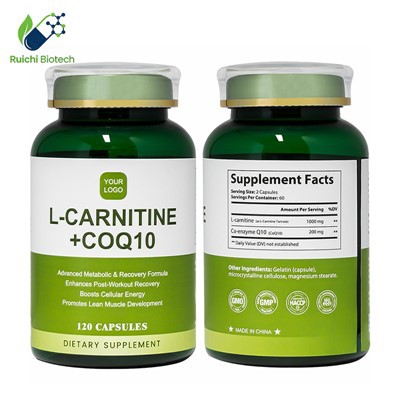
So, there you have it, folks! These are the key factors that influence the quality of Active Pharmaceutical Ingredients. As a supplier, we’re constantly working to improve our processes and ensure that we’re producing the highest – quality APIs possible.
Dietary Supplements If you’re in the market for high – quality APIs, I’d love to have a chat with you. Whether you have questions about our products or you’re ready to start a purchase, don’t hesitate to reach out. We’re here to provide you with the best – quality APIs and excellent customer service.
References
- European Medicines Agency. (n.d.). Guidelines on Good Manufacturing Practice for Medicinal Products.
- Food and Drug Administration. (n.d.). Current Good Manufacturing Practice (CGMP) Regulations.
- World Health Organization. (n.d.). Good Manufacturing Practices for Pharmaceutical Products.
Xi’an Ruichi Biotech Co., Ltd.
As one of the most professional active pharmaceutical ingredients manufacturers and suppliers in China, we’re featured by quality products and low price. Please rest assured to buy discount active pharmaceutical ingredients in stock here from our factory. Contact us for pricelist.
Address:
E-mail: Jenny@ruichibio.com
WebSite: https://www.ruichibio.com/
