What’s the difference between WPC doors and flush doors? If you’ve ever been in the market for new interior doors (or tried to fix a wonky old one at 10 PM on a Sunday, same vibe), you’ve probably seen both terms thrown around a lot. But here’s the thing—most people mix them up, or think they’re the exact same product. As a supplier that sells both? Wait, no, wait—we specialize in WPC flush doors, so let’s break this down straight, no fancy industry jargon, just what actually matters when you’re picking a door for your home, rental property, or commercial space. Flush WPC Doors
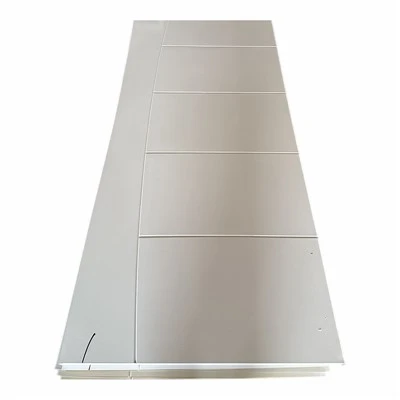
First, let’s start with the basics, no fluff. A flush door is, at its core, a simple flat door—no panels, no raised edges, just a smooth, even surface. That’s been the go-to for decades, right? They’re cheap, easy to install, and you can paint or veneer them to match any decor. Back in the day, flush doors were mostly made with a wooden frame, some lightweight filler (like cardboard or particleboard), and a thin wood veneer on both sides. But that old design had a lot of issues—you’d scratch them super easy, they’d warp if there was any humidity, or get moldy if you put them near a bathroom.
Now WPC stands for Wood Plastic Composite. It’s a mix of wood fibers (like sawdust, basically) and plastic, melted down and molded into a solid, stable material. A WPC door isn’t just a wooden door with plastic added—it’s a whole different product. And here’s where the confusion hits: a lot of folks think WPC doors are a type of flush door, and sometimes that’s true. But not all flush doors are WPC. And that’s the key difference. Let’s put this in real terms, not textbook stuff.
Let’s talk about build quality first, because that’s the big one. Your basic traditional flush door—let’s call it a particleboard flush door, since that’s what 90% of the cheap ones are—has a frame that’s usually softwood (like pine, which is cheap) and a core of particleboard or honeycomb cardboard. Particleboard is just wood chips glued together, right? It’s not super strong. If you kick it by accident, or hang a heavy mirror on it, it’ll split. The veneer on top is thin—like, thinner than a postage stamp sometimes—so if you spill water on it, it soaks right in, swells, and the veneer starts peeling off. I’ve seen so many rental properties go through these in 2-3 years because tenants scratch them, spills mess them up, and they just fall apart.
A WPC door? No frame, no particleboard core. The whole door is solid WPC. Wait, no—wait, our WPC flush doors, specifically, are structured with a solid WPC core wrapped in a smooth WPC surface, so the whole door is one material, basically. That’s a game-changer. It doesn’t warp, even if it’s near a shower or in a basement where humidity is high. You can scratch it with a key, or a pet’s claw, and it barely shows—no peeling veneer, no soft spots. We installed one in a client’s guest bathroom last year, and it’s been there 3 years, no issues. The old particleboard one they had before got moldy within a year because the steam from the shower seeped into the core.
Next up: weight and ease of installation. Traditional flush doors are super light, right? That sounds like a win, but it’s actually a con. If you hang a heavy door handle, or add a deadbolt, it’ll pull right out of the soft wood core. You have to put extra hardware into those doors, and even then, they’re flimsy. WPC doors are a little heavier, but not so heavy that they’re hard to handle. Wait, no—wait, our WPC flush doors are engineered to be the right weight, not too heavy, not too light. The hardware actually fits in the WPC material without needing all that extra reinforcement. A lot of installers we work with say that putting up a WPC door takes half the time of a traditional flush door because you don’t have to mess with adding extra wood blocks for the handles. That’s a real thing, not a sales pitch—we hear it every week.
Durability, let’s expand that. Let’s talk about daily use. If you have kids, or dogs, or you’re in a commercial space (like a small shop or office where doors get opened and closed 50 times a day), a traditional flush door won’t hold up. Scuffs, dents, moisture—all of that adds up fast. WPC doors are water-resistant, for one. You can wipe a spill off them with a cloth, no problem. Traditional flush doors will absorb that spill, and within hours, the surface is bubbled. Also, WPC is termite-proof. That’s a huge one if you’re in a warm, humid area where termites are a pain. Traditional wooden flush doors are like a termite buffet—they’ll chew through the core in a few months. WPC? The plastic in it repels termites, no problem. We had a client in Florida who switched to WPC doors because the old flush doors got termites, and he said it saved him thousands in repairs.
Now, cost. Wait, people always ask if WPC doors are more expensive. Let’s be honest—initially, yeah, a WPC door is a little more pricey than a basic particleboard flush door. But here’s the catch: the traditional flush door will need to be replaced every 2-3 years. The WPC door? We’ve had clients say 10 years and they’re still good. So over time, it’s cheaper. Also, you don’t have to spend money on painting or veneer—WPC doors come with a smooth, finished surface that looks like real wood, no extra work. Traditional flush doors need to be sanded and painted every few years to keep them looking good, that’s an added cost. A lot of folks miss that part—so the upfront cost is low, but the long-term is way more.
Wait, let’s clear up the “WPC flush door” part, since that’s what we sell. A lot of suppliers just call WPC doors, but we make flush-style WPC doors—so they’re flat, no panels, just the smooth surface, same as a traditional flush door, but made entirely of WPC. That’s the sweet spot. You get the clean, modern look of a flush door, but all the durability of WPC. The mistake people make is thinking that any flush door is good, or any WPC door is the same. No, a WPC door that’s not a flush door might have panels, which is a different look, but our thing is the flush design with WPC material.
Let’s talk about common myths, because we hear these all the time. Myth 1: WPC doors are all plastic, so they look cheap. No, that’s old WPC. We use high-grade WPC that’s designed to look like real wood—you can stain or paint it if you want, or just keep the smooth finish. Traditional flush doors look cheap because of the thin veneer, but WPC has a more consistent look, no knots or uneven patches. Myth 2: Flush doors are only for old homes. No, flush doors are super popular right now for modern, minimalist design—they’re sleek, don’t have any fancy panels that catch dust. WPC flush doors are perfect for that modern look, way better than particleboard. Myth 3: WPC doors can’t be customized. We can cut them to size, change the finish, even add glass inserts if you want. Traditional flush doors you can cut, but you’ll ruin the veneer, and it’ll look messy. WPC can be cut, drilled, whatever, without damaging the surface.
Now, who should get which? Let’s break it down by use case. If you’re renting out a small apartment on a tight budget, and you know you’ll change the doors in a couple years, a basic flush door is fine for that short term. But if you own your home, and you want doors that will last, or you have a bathroom, basement, or high-traffic area—WPC flush doors are the way to go. For commercial spaces, like a cafe or office where doors get used a lot, WPC is non-negotiable. We had a client who ran a small coffee shop, and their old particleboard flush doors were getting scratched by carts, coffee spills, all that. They switched to our WPC flush doors, and after a year, they said they haven’t had to touch them—no repairs, no replacements.
Wait, let’s make this personal, since we’re a supplier. We don’t do the cheap, flimsy WPC doors you find at big box stores. Our WPC flush doors are tested to last, we work with installers all over the place, and we know the difference between a good WPC door and a bad one. A lot of people go for the cheapest option, but then they regret it when the door warps or gets termites. That’s why we tell folks to think long-term, not just upfront cost.
Another key difference: maintenance. Traditional flush doors need regular care—cleaning with specific products so you don’t ruin the veneer, re-painting every 2-3 years, fixing any scratches right away or they’ll turn into bigger issues. WPC doors? Just wipe them down with a damp cloth, done. No sanding, no repainting needed. That’s a huge time saver, especially if you’re not handy. We have clients with full-time jobs and kids who say they love not having to maintain their doors every few months.
Wait, let’s touch on environmental stuff, because that’s a big concern for a lot of people now. Traditional flush doors are made with particleboard, which uses a lot of glue that has formaldehyde, right? That’s a chemical that can off-gas. WPC is made with recycled wood fibers and recycled plastic, so it’s way more eco-friendly. No formaldehyde, no harsh chemicals. A lot of our clients choose WPC doors for that reason, especially if they have kids or pets. That’s a point no one talks about enough.
So to wrap this up, let’s make it simple:
- All flush doors are flat, no panels, but most basic ones are made with particleboard/softwood, low durability.
- WPC doors are solid wood-plastic composite, super durable, water-resistant, termite-proof.
- A WPC flush door is the best of both: flat, sleek flush design, all the benefits of WPC material.
The biggest mistake we see is people buying a cheap basic flush door because it’s cheaper upfront, then replacing it in a year or two. That adds up way more than getting a WPC flush door once. If you’re in the market for new doors, whether it’s for your home, rental, or commercial space, don’t just go for whatever’s the cheapest. Ask about WPC vs. traditional flush, and think about how much use the doors will get, how humid the space is, and how much time you want to spend maintaining them.
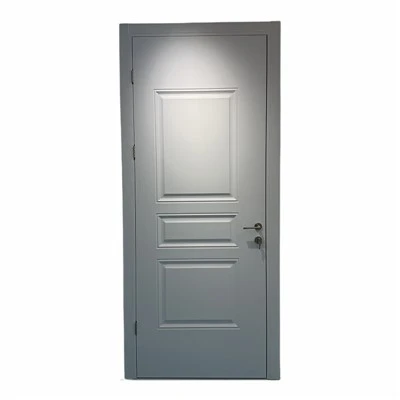
If you’re ready to check out WPC flush doors, we’re here to help with sizing, finishes, and whatever you need for your project. Just reach out to chat through your options—no pressure, just honest advice about what works best for you.
WPC Door References:
- Wood Plastic Composite (WPC) Materials: Properties, Applications, and Performance. Journal of Building Materials, 2021.
- Comparative Analysis of Flush Door Construction and Durability in Residential Settings. International Journal of Construction Engineering, 2019.
- Termite Resistance of Composite Building Materials. National Pest Management Association Research Report, 2022.
- Indoor Air Quality Impacts of Engineered Wood Products. Environmental Health Perspectives, 2020.
Shandong Xinhongyuan Industrial Co., Ltd.
Shandong Xinhongyuan Industrial Co., Ltd. is one of the most experienced flush WPC doors manufacturers and suppliers in China. We have world-leading production equipment and strong manufacturing capabilities. Please feel free to buy bulk high quality flush WPC doors made in China here from our factory. We also accept customized orders.
Address: No. 47, National Highway 104, Economic Development Zone, Weishan County, Jining City, Shandong Province
E-mail: tongjiayidoors@gmail.com
WebSite: https://www.sdxhywpcdoors.com/
