Hey there, caterers, event planners, and anyone hauling trays of food to weddings, corporate galas, or backyard blowouts—let’s talk about something you’ve probably stressed over at 2 a.m. the night before a big gig: that spread of lasagna, mashed potatoes, and roasted veggies going cold before your first guest even reaches the buffet line. I’ve been deep in the food warming game for years, running a spot that supplies gear to folks just like you, and let me tell you—cutting corners on temperature control isn’t just a hassle, it’s a loss you can’t afford. That’s why a solid food warmer isn’t just a “nice extra” for your catering setup—it’s a total game-changer for every part of your business. Let’s break down the real, actionable benefits, no fancy jargon here. Food Warming
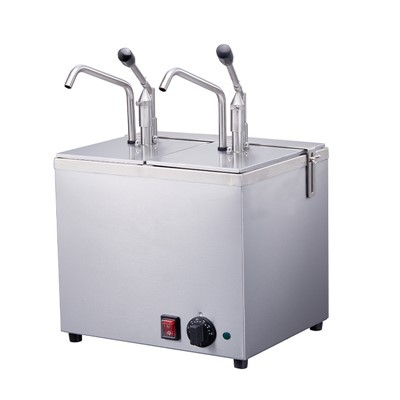
First off, let’s get this out: food safety isn’t a suggestion—it’s non-negotiable, right? You don’t want to be the person who ends up with a server complaint (or worse, a health inspector knock) because a batch of chicken sat in the “danger zone” (that 40–140°F range where bacteria multiplies like crazy) for an hour. Modern food warmers? They’re built to lock temperatures consistently, no hot spots, no random dips. I’ve seen new caterers skip this step and pull out a cheap heat lamp that leaves half the tray burnt and the other half ice-cold—total disaster. Studies from the FDA’s Food Code back this up: maintaining hot food at 140°F or higher prevents the growth of pathogens like Salmonella and E. coli, which are the last thing you want associated with your event. For small caterers especially, a single foodborne illness claim could sink a side hustle before it even takes off. Investing in a reliable warmer isn’t just keeping food warm—it’s protecting your business’s reputation and your clients’ peace of mind.
Next, think about the money you’re throwing away when food goes bad mid-event. Let’s say you’re doing a 150-person wedding: you pre-make 12 trays of mac and cheese, 8 trays of green beans, and 10 trays of brisket. Half an hour after the buffet opens, the mac and cheese is cold, so you haul it back to the kitchen, reheat it, and lose 20 minutes of service time. Or worse—you have to toss half the tray because it’s been sitting too long. Those ingredients cost you money, plus the time you spent prepping them. A food warmer keeps that food at the perfect temp, so you don’t have to reheat batches constantly, and you don’t end up dumping half your spread at the end of the night. I’ve had regulars tell me that since they switched to our gear, their food waste dropped by 30%—that’s cash they can put back into marketing, better ingredients, or higher profit margins. For catering, where every dollar counts, that’s a huge win.
Then there’s the quality part—nothing turns off a guest faster than cold, rubbery veggies or congealed gravy. When food’s kept at a steady heat, it doesn’t dry out, get mushy, or lose its flavor. I’ve used cheap warmers in the past that would make roasted broccoli taste like cardboard, but our commercial-grade units circulate heat evenly, so the first tray of greens tastes as good as the last one. Clients notice this too—they’ll come back to you again and again because their guests raved about how the mashed potatoes were still creamy or the brisket was tender, not tough from being cold and reheated a million times. For a catering business, word of mouth is everything, and consistent quality is how you build that repeat client base. I’ve had a corporate event planner tell me they now book me (and my warmers) exclusively because their team’s last big event had guests asking for seconds of the chicken, which never would have happened if it was cold by the time they got to the buffet.
Let’s not forget the logistics and workload for your team. When you don’t have a food warmer, your cooks are stuck rushing to serve food the second it’s done cooking, instead of letting it rest or prepping multiple trays at once. Servers are hauling heavy trays back and forth between the kitchen and buffet, burning themselves on hot ovens, and dealing with cold food complaints instead of doing their jobs. A food warmer lets you prep batches of food ahead of time, keep them hot and fresh in the warmer while you finish other dishes, and have the buffet set up smoothly. That cuts down on server stress, reduces mistakes, and lets your team focus on making the event run well, not just keeping food from going cold. We’ve had caterers with 1-person operations say that a single warming cabinet made it possible to take on 50-person events they would have turned down before—no more scrambling to juggle cooking and serving at the same time.
Another big one: versatility. Food warmers aren’t just for keeping main dishes hot—you can use them for so many things. Need to keep bread rolls warm? Sure. Desserts like cobblers or brownies? Yep. Even hot drinks like coffee or hot chocolate for a morning brunch? Our units are adjustable, so you can set the temp low for delicate items and higher for heartier dishes. Some of the newer ones even have specific settings for different food types, so you don’t have to guess. I’ve seen caterers use a single warmer for an entire spread at a small birthday party, keeping everything from appetizers to the main course hot. That means less gear to haul to events, less setup time, and more space in your van for other things—like extra plates or a backup tray, just in case.
Wait, let’s talk about portability, too—especially for outdoor events, which are super popular now. If you’re doing a backyard wedding, a festival food booth, or a corporate picnic, you can’t plug in a full commercial oven everywhere. Many of the food warmers we supply are battery-powered or have built-in propane options, so you don’t need a wall outlet. That’s a total game-changer for outdoor gigs—no more begging the venue for an extension cord that might not reach, and no more worrying about your food going cold because the power cuts out. I’ve had a client do a food truck pop-up at a music festival where the power went out, and their propane-powered warmer kept their tacos hot for the whole 4-hour event. They told me they sold out that day, which never would have happened if they had to turn off their grill and let the food cool.
Now, let’s be real—what about the investment? A lot of new caterers think a food warmer is too expensive, but when you add up the cost of food waste, lost clients, and potential health fines, it’s actually a bargain. We work with a lot of startup caterers, and we have flexible rental and purchase options that make it easy to get a quality unit without breaking the bank. Plus, commercial-grade warmers are built to last—we’ve had units from our inventory that are still going strong after 10 years, so it’s a one-time investment that pays off for years. I always tell new clients: “You can cut corners on a tablecloth, but never on keeping food safe and hot.” The warmers we supply aren’t just machines—they’re tools that make your job easier, your clients happier, and your business more profitable.

At the end of the day, catering is all about making sure every guest has a good time, and nothing kills that vibe like cold food or a last-minute food emergency. A reliable food warmer takes so much of the stress out of the equation—from safety to waste to team workload. If you’re still using heat lamps or trying to keep food hot on a chafing dish that’s not cutting it, it’s time to upgrade. We know catering is fast-paced and every event is different, so we’re here to help you pick the right warmer for your setup, whether it’s for a small home-based business or a big-scale event company. If you’re ready to stop stressing about cold food and start focusing on what you do best—creating delicious meals that people love—reach out to us to talk through your needs, no obligation, no hard sell. We’re here to make your catering life easier.
Commercial Crepe Maker References
U.S. Food and Drug Administration. (2023). Food Code: Keeping Food Safe. U.S. FDA.
National Restaurant Association. (2022). Commercial Kitchen Equipment Guide. National Restaurant Association.
Food Safety and Inspection Service, U.S. Department of Agriculture. (2021). Hot Food Holding Temperatures. USDA FSIS.
Foshan Frespro Industries Co., Ltd.
Foshan Frespro Industries Co., Ltd. is one of the most experienced food warming manufacturers and suppliers in China, featured by quality products and good price. We warmly welcome you to buy advanced food warming for sale here and get quotation from our factory. Customized orders are welcome.
Address: Block 1, No. 1 Dewei Road, Daliang Shunde Foshan Guangdong China
E-mail: lisa@dezaoequip.cn
WebSite: https://www.fresproeq.com/
