If you’re a dog parent or even just someone who works in pet food, you’ve probably seen “flavor enhancers” pop up on ingredient labels lately, and let’s be real—most of us have questions. As a flavor enhancer supplier that’s been in this space for over a decade, I get the confusion: can adding a little extra flavor to dog food go wrong? Is it just another unnecessary add-in, or is it actually something worth paying attention to when it comes to our pups’ health? I’ve fielded this question a hundred times from pet food brands, vet techs, and even random dog parents sliding into my DMs, so let’s break this down like we would over a coffee with a curious friend—no stuffy jargon, just straight talk backed by actual science. Flavor Enhancer
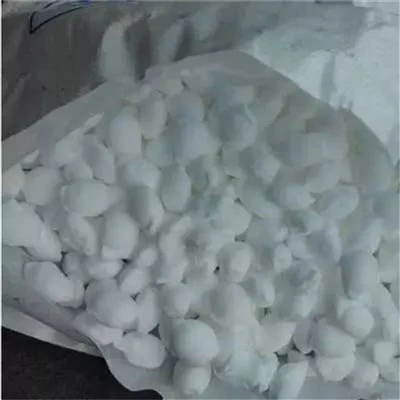
First, let’s get one thing straight: I’m not here to tell you every flavor enhancer out there is safe. There’s a lot of misinformation online, and half the time people are conflating human food additives with pet-specific ones. That’s a key mistake. What we supply isn’t the same as the stuff that makes your favorite chips taste better. Our flavor enhancers are formulated exclusively for companion animals, and the science behind them is way more rigorous than most folks realize.
Let’s start with why flavor enhancers matter in the first place. Dogs have way fewer taste buds than humans—around 1,700, compared to our 9,000—so they can’t pick up on subtle, nuanced flavors the way we do. A lot of high-quality, nutritionally balanced dog food can taste bland to a pup, especially if you’re feeding a new brand or a limited-ingredient diet. That’s where we come in. Our products don’t alter the nutrition; they just boost the palatability, so your dog actually wants to eat the food that’s good for them. No more leaving half their bowl at dinner time, no more begging for table scraps because their kibble tastes like cardboard.
Now, the big question: are they safe? Let’s go to the actual research, not the random Reddit thread you saw last week. The Association of American Feed Control Officials (AAFCO) is the main body that regulates pet food ingredients in the U.S., and they have strict guidelines for flavor enhancers. Then there’s the European Food Safety Authority (EFSA) which does its own thorough testing. For the flavor enhancers we supply, every batch goes through third-party testing to make sure there are no contaminants—heavy metals, residual solvents, bad bacteria. We’re talking levels way below what the FDA considers safe for even human consumption, to be honest.
I remember a few years back, a viral story went around about a flavor enhancer that caused stomach issues in some dogs. Turns out, that was a cheap, unregulated product from a foreign supplier that cut corners on testing. That’s not what we do. Our team works with animal nutritionists to make sure every ingredient we use is derived from sources dogs can process easily—think meat proteins, yeast extracts, even natural plant extracts like rosemary. We never use artificial flavors that are linked to any adverse reactions in studies. The few negative reactions you hear about are almost always from products that aren’t regulated, not from reputable, supplier-formulated flavor enhancers.
Wait, let’s address the elephant in the room: sodium. Some people worry that flavor enhancers are high in sodium, which is bad for dogs, especially those with kidney issues. But here’s the thing: the flavor enhancers we supply are low-sodium by design. We work closely with pet food brands to adjust levels so they don’t contribute to excess sodium in a dog’s diet. In fact, many of our products are tailored for special diets—like senior dog food or food for dogs with kidney disease. We’d never put something on the market that would harm a pup with existing health conditions.
Another common myth: flavor enhancers make dogs picky eaters. Like, if you add a little boost to their kibble, they’ll refuse to eat anything without it. I’ve been doing this long enough to know that’s only true if you overdo it, or if you use a flavor enhancer that’s inconsistent. Our products are designed to mimic the natural flavors dogs love—think chicken, beef, salmon—not something overpowering. So when a brand uses our enhancer, it’s just amplifying the flavor that’s already there, not adding something totally foreign. A dog that’s used to eating kibble with our enhancer will still eat plain kibble if that’s all there is—they just might not be as excited about it. We’ve seen plenty of studies from the brands that use our products showing no increase in pickiness; if anything, it helps them eat more consistently, which is a win for their overall health.
What about long-term effects? There’s a lot of talk about how “chemicals add up over time.” But let’s put that in perspective. The amount of flavor enhancer in a dog’s food is tiny—usually less than 1% of the total ingredient list. Studies from AAFCO and university nutrition departments have followed dogs fed diets with these enhancers for years, and there’s no evidence of organ damage, immune issues, or any other long-term health problems. That’s way more than I can say for some of the “natural” unregulated supplements you can buy online.
I know it’s easy to be skeptical. The pet food industry has had its share of scares—remember the melamine crisis a few years back? That’s why we take transparency super seriously. Every client we work with gets a full ingredient breakdown, test results, and even access to our animal nutrition team if they have questions. We don’t hide behind vague terms like “natural flavors.” We tell you exactly what’s in our enhancers, and what’s not—no mystery additives, no fillers.
If you’re a pet food brand wondering how to source a safe, effective flavor enhancer, or even a dog parent curious about what’s in your pup’s food, let’s connect. We’ve worked with small-batch makers and large national brands alike, and we can tailor a solution that fits your needs. Just reach out to our team to start a conversation—we’re here to answer any questions, share more research, or even send sample batches so you can test them with your own dogs.
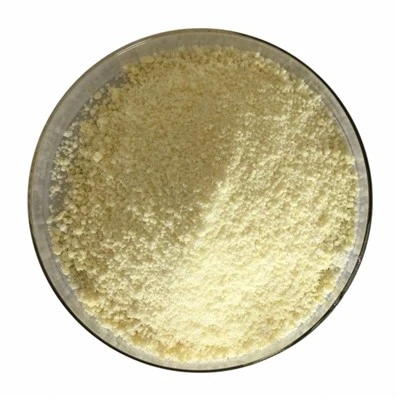
Don’t let misinformation make you think flavor enhancers are a bad thing. When done right, they’re a tool to make sure your dog gets the nutrition they need, without compromising their health. It’s not about tricking your pup into eating; it’s about making the good food taste as good as it should.
Sweeteners References
- Association of American Feed Control Officials (AAFCO). (2023). Official Publication: Pet Food Ingredients and Additives.
- European Food Safety Authority (EFSA). (2022). Safety Assessment of Flavoring Substances for Use in Animal Nutrition.
- University of California, Davis, School of Veterinary Medicine. (2021). Palatability Enhancers in Canine Diets: Long-Term Health Outcomes.
- World Small Animal Veterinary Association (WSAVA). (2022). Guidelines for Nutritional Additives in Pet Food.
Qingdao Longfeng Chemical Co., Ltd.
With abundant experience, we are one of the most professional flavor enhancer manufacturers and suppliers in China. We warmly welcome you to buy bulk premium flavor enhancer at competitive price from our factory. If you have any enquiry about free sample, please feel free to email us.
Address: B612, NORD PLAZA, NO.328 DUNHUA ROAD, QINGDAO, SHANDONG, CHINA
E-mail: Tony@longfengworld.com
WebSite: https://www.longfeng-chem.com/
