If you’re in the market for electric stackers to streamline your warehouse operations, one of the biggest hurdles isn’t finding the right equipment—it’s figuring out how to pay for it. As a supplier who’s worked with hundreds of small business owners, warehouse managers, and logistics teams over the past eight years, I’ve sat through dozens of conversations where folks love our electric stackers for their zero emissions, low maintenance, and ability to move pallets efficiently in tight spaces, but get stuck when it comes to financing. Let me break down the real, workable financing options I recommend most often, so you can decide what fits your business best without feeling overwhelmed. Electric Stackers
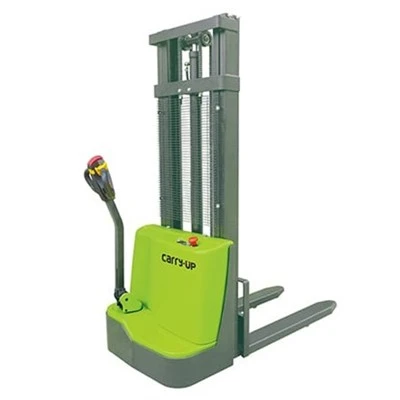
First, a quick reminder: electric stackers aren’t just a “nice-to-have” anymore. If you’re still using manual stackers or old, gas-powered models, you’re losing time to physical strain on your team, dealing with expensive fuel and emissions compliance fees, and risking accidents from unstable, hard-to-manage equipment. The upfront cost of a new electric stacker (typically ranging from $3,000 for a basic walk-behind model to $15,000 for a high-capacity, seated rider unit with extended battery life) is the only thing holding many teams back. That’s why financing isn’t a luxury—it’s an investment in your bottom line and your long-term safety.
Let’s start with the most common option for small to mid-sized businesses: equipment financing loans. This is exactly what it sounds like: a loan specifically designed to cover the cost of the electric stacker, with the stacker itself acting as collateral for the loan. I’ve helped dozens of clients get approved for these in as little as 48 hours, even if their business is only a couple years old or their credit score is in the mid-600s. The terms are flexible too—most lenders offer 24 to 60 month repayment periods, with fixed interest rates that usually hover between 6% and 12% for most small businesses. The best part? Because the stacker is collateral, you don’t need to put up other business assets (like your truck or warehouse space) to secure the loan. One client last year, a 12-person e-commerce fulfillment team in Ohio, used a $10,000 equipment loan to buy two seated rider electric stackers; they were able to write off the interest as a business expense, and their monthly payment came out to just $220—less than the $300 they were spending monthly on repairs and fuel for their old gas-powered pallet jack. The only thing to watch out for here is origination fees, which can range from 1% to 5% of the loan amount. I always recommend working with a lender that specializes in small business equipment, not a big bank that will nickel-and-dime you with hidden fees.
Next up is equipment leasing, which is a great fit if you want to upgrade your electric stackers every few years or don’t want to tie up cash in a long-term equipment asset. There are two main types of leases: operating leases and finance leases. Operating leases are like renting: you make monthly payments for a set period (usually 24 to 36 months), and at the end of the lease, you can return the stacker, extend the lease, or trade it in for a newer model. This is perfect for businesses that want to stay on top of the latest electric stacker technology—like the new models with extended battery life or digital inventory tracking—without being stuck with outdated equipment. Monthly payments for an operating lease are typically lower than loan payments, often 20% to 30% less, because you’re only paying for the equipment’s depreciation during the lease term. The downside is that you don’t build equity in the stacker, and you may face early termination fees if you want to get out of the lease before the term ends. Then there’s the finance lease, sometimes called a “capital lease,” which is more like a loan. At the end of the finance lease, you have the option to buy the stacker for a nominal fee (usually 1% to 5% of the original price). This is a good middle ground if you love the stackers you’re testing and want to own them long-term, but want lower monthly payments upfront. I had a restaurant supply client in Texas who used a 36-month operating lease for two basic walk-behind stackers; they upgraded to seated rider models two years later when their business grew, and they didn’t have to worry about selling their old stackers or taking a loss on depreciation.
For businesses that need even more flexibility, or might not qualify for traditional loans or leases, there’s a rent-to-own (RTO) agreement. This is a more straightforward, short-term option that’s often overlooked, but it’s been a lifesaver for many small businesses with less-than-perfect credit. Here’s how it works: you agree to make weekly or monthly payments for a set period (usually 12 to 24 months), and a portion of each payment goes toward owning the stacker. At the end of the term, you own it outright. The big draw here is that credit requirements are much lower than for traditional loans or leases—many RTO providers only check your monthly income, not your credit score. That said, RTOs are usually more expensive in the long run: interest rates can be as high as 25% to 30%, and if you miss a payment, you can lose the stacker and any money you’ve already paid, with no way to get a refund. I always warn clients to only go with an RTO if they’re confident they can make every payment on time, and to read the fine print carefully. One construction supply client in Florida used an RTO to get a single basic stacker when their old unit broke down right before a big job; they paid $150 a week for 18 months, and owned the stacker for a total of $11,700. It was more expensive than buying outright, but it let them take the job and keep their team working, which made the extra cost worth it for them.
Another option that’s perfect for businesses focused on sustainability is green equipment financing. Many governments, banks, and even equipment suppliers offer special financing incentives for electric equipment, because it reduces carbon emissions and lowers overall operating costs. This can include lower interest rates, longer repayment terms, or even tax credits and rebates that bring down the total cost. For example, in the U.S., the Inflation Reduction Act offers a 30% tax credit for commercial electric equipment, including electric stackers, and many state-level environmental agencies offer additional grants or low-interest loans for businesses switching from gas-powered to electric equipment. I work with a partner lender that specializes in green financing, and our clients who take advantage of this often get interest rates 2% to 3% lower than standard equipment loans, plus they can deduct the entire cost of the stacker in the first year thanks to Section 179 of the U.S. tax code. One manufacturing client in Illinois used a green equipment loan for their new seated rider stacker; they saved $2,000 on taxes in the first year alone, and their monthly payment was $180, which was less than the $250 they were paying monthly for their old gas-powered unit. This option is especially worth looking into if sustainability is part of your business brand, or if you want to qualify for government incentives that can offset the cost.
If you’re a newer business or a small team that doesn’t have a long credit history, there are also personal loans or lines of credit you can use for equipment financing. A lot of small business owners use their personal credit to cover equipment costs when they can’t get approved for a business loan, and that works well as long as you’re disciplined about making payments. The downside is that if your business has trouble making payments, it can hurt your personal credit score, which can make it harder to get a loan for a home, car, or other business needs down the line. I only recommend this as a last resort, or if you have a strong personal credit score (700 or higher) and a plan to pay off the loan quickly. One freelance logistics consultant I work with started her own business three years ago, and used a personal loan to buy two walk-behind stackers when she landed her first big client; her credit score was 720, and she paid off the loan in 24 months, which let her build business credit and qualify for a larger equipment loan a year later when she expanded.
Now, I know what some of you are thinking: “I don’t want to deal with all this paperwork and running around to different lenders.” That’s why many equipment suppliers, including us, offer in-house financing options that streamline the process. We’ve partnered with a trusted lending network to offer pre-approved financing to our customers, so you can get a quote for a stacker and a financing plan all in one place, with no hidden fees or complicated applications. We’ve had clients get approved in as little as 15 minutes when they’re on our website, and we walk you through every step of the process, from choosing the right stacker for your needs to picking a financing plan that fits your monthly budget. We also offer flexible payment terms, and we work with businesses of all sizes, from 1-person startups to 50-person warehouse teams.
At the end of the day, the right financing option for you depends on your business’s size, credit history, long-term goals, and monthly cash flow. There’s no one “best” option—what works for a 10-person e-commerce fulfillment team might not work for a 50-person manufacturing warehouse. The key is to take the time to compare options, ask questions, and make sure you understand all the terms before you sign anything.
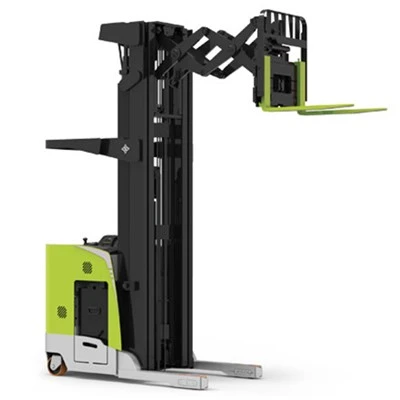
If you’re ready to explore financing options for electric stackers, we’re here to help. Whether you’re looking for a basic walk-behind model for small warehouses, a high-capacity seated rider unit for heavy pallets, or a customized stacker with digital inventory tracking, we can walk you through every financing option that fits your budget. There’s no pressure, just honest advice from a supplier who’s been in the industry long enough to know that the right equipment and financing plan can make or break a business. Reach out to us to discuss your needs today, and let’s find a solution that works for your team.
Electric Stackers References:
Equipment Financing for Small Businesses. U.S. Small Business Administration.
Green Energy Tax Credits for Commercial Equipment. Internal Revenue Service.
Electric Warehouse Equipment Financing Guide. National Association of Industrial and Office Properties.
Leasing vs. Buying Commercial Equipment. Equipment Leasing and Finance Association.
Hangzhou Carry Equipment Co., Ltd.
Hangzhou Carry Equipment Co., Ltd. is one of the most professional electric stackers manufacturers and suppliers in China, also supports customized service. Please feel free to buy advanced electric stackers for sale here and get quotation from our factory. For price consultation, contact us.
Address: No.360 Tongxiang Rd., Yinzhou Economic Development Zone, Yinzhou Dist., Ningbo, China
E-mail: Sales@carryupmhe.com
WebSite: https://www.carrymhe.com/
