If you’ve ever ordered chemicals in bulk—whether for agricultural fertilizers, industrial solvents, or specialty raw materials for manufacturing—chances are your shipment was protected by a chemical woven bag. As someone who’s run a chemical woven bag supply business for 12 years, I’ve spent countless hours on customer calls, troubleshooting issues, and explaining why “just any woven bag” isn’t safe for hazardous or sensitive chemical products. A question I get asked more than any other these days is: Are there actual safety regulations for using these bags? The short answer is yes, but navigating them isn’t just about checking a box—it’s about protecting workers, preventing environmental contamination, and keeping supply chains from costly disruptions. Today, I want to break down what these regulations actually entail, why they matter, and how a good supplier like us makes sure we’re not just meeting them, but exceeding them. Chemical Woven Bags
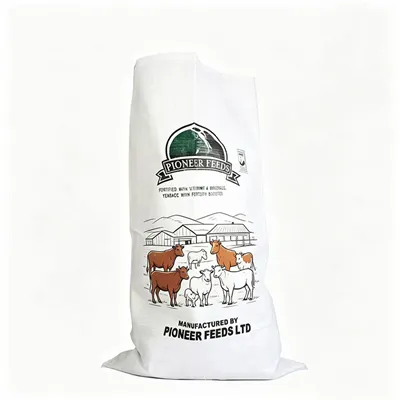
Let’s start with the basics: Chemical woven bags aren’t your generic polypropylene tote. They’re made from tightly woven, often UV-stabilized polypropylene or polyethylene, designed to hold corrosive, flammable, or particulate chemicals without leaking, tearing, or reacting with the product inside. That reactivity is a big part of why regulations exist. For example, a bag holding a highly acidic industrial cleaner can’t break down into microplastics that contaminate the chemical during transit, nor can it leak onto warehouse floors or into waterways. A bag holding a fertilizer blend needs to keep moisture out to prevent clumping, which would make the product useless by the time it reaches the farm.
The first set of rules most of our clients (especially those in North America and Europe) need to follow comes from the Occupational Safety and Health Administration (OSHA) in the U.S. and the European Agency for Safety and Health at Work (EU-OSHA) across the EU. OSHA’s Hazard Communication Standard (HCS) explicitly requires that packaging for hazardous chemicals (which most industrial chemical woven bags hold) must be “identifiable, durable, and compatible” with the contents. That means we can’t just use a standard woven bag for a corrosive chemical—we have to test for chemical compatibility, meaning the bag material won’t react with the chemical over time. For EU-based clients, REACH (Registration, Evaluation, Authorization, and Restriction of Chemicals) adds another layer: any additives in the woven plastic (like UV stabilizers or colorants) can’t be substances of very high concern (SVHCs), which are known to be toxic. We don’t cut corners here; every batch of our woven bags undergoes third-party testing for SVHCs before it leaves our facility.
Then there’s transportation regulation, which is where things get really specific. The U.S. Department of Transportation (DOT) and International Air Transport Association (IATA) set rules for packaging hazardous materials (HazMat) that are shipped by road, rail, or air. For chemical woven bags holding Class 8 corrosives, for example, DOT requires the bag to be rated for a 1.8-meter drop test—meaning it can fall that distance onto a hard surface (like a concrete warehouse floor or truck bed) without rupturing. I’ve seen companies skip that test to save a few cents, only to have a shipment leak 500 pounds of corrosive chemical onto a road, closing a highway for 8 hours and costing thousands in fines. We do drop tests for every HazMat-rated woven bag we produce; our quality team attends every test to make sure the results are consistent. For international shipments, the International Maritime Organization (IMO) adds rules for bags being sent via ocean freight, requiring additional labeling for stowage and handling—no placing flammable chemical bags near heat sources during transport.
Wait, but what about non-hazardous chemicals? A lot of our clients work with agricultural chemicals that aren’t classified as HazMat, like organic soil amendments or inert raw materials. Do regulations still apply here? Absolutely. The U.S. Food and Drug Administration (FDA) regulates bags that come into contact with food, but if you’re shipping agricultural chemicals that will be used on crops, there are also rules from the Environmental Protection Agency (EPA) that require packaging to prevent pesticide or fertilizer contamination of soil and water. That means our woven bags for organic fertilizers, for example, have to be free of any heavy metals that could leach into the soil. We also work with many food-grade chemical clients, like those shipping food additives, and for those, we use FDA-compliant polypropylene that won’t transfer harmful substances into the product.
One common misconception I hear from new clients is that “all woven bags are the same, so just use whatever’s cheapest.” I can’t tell you how many times I’ve had a small farm or a new manufacturing plant come to us after having a shipment of chemicals ruined because they bought a generic woven bag that wasn’t UV-stabilized. UV stabilization isn’t just for bags sitting on store shelves—if a shipment is stuck on a truck in Arizona in July, a non-stabilized bag will start to degrade in 72 hours, splitting open and spilling the chemical. That’s not just a waste of product; it’s a safety risk for warehouse workers who have to clean up the mess. We add UV inhibitors to all of our outdoor-rated woven bags, and we label each bag clearly with its rated UV exposure time—usually 12 months or 24 months, depending on the chemical it’s holding.
Another key regulation I want to highlight is the Global Harmonized System (GHS), which is used in over 100 countries to standardize chemical labeling and packaging. GHS requires that every chemical woven bag has a specific label with the product’s hazard class, supplier information, and emergency contact details. But beyond that, GHS also sets requirements for the bag’s physical strength: for example, a bag holding a flammable solid chemical (Class 4) must have a tear strength of at least 200 newtons per square millimeter, to prevent sparks from static electricity during handling. We test every batch of our flammable-rated bags for tear strength, and our labels are printed with fade-resistant ink so they don’t wear off during transit or storage.
Now, what about the day-to-day use of these bags? Regulations don’t just apply to manufacturing the bags—they apply to how companies use them too. OSHA requires that warehouse workers who handle chemical woven bags are trained on how to properly lift, stack, and store them to prevent ruptures. For example, stacking heavy chemical bags more than 8 feet high can put too much pressure on the bottom bags, causing them to split open. We send a free safety guide to every new client that lists proper stacking heights, handling tips, and inspection steps to check for damaged bags before use. We also offer on-site training for larger companies; last year, we trained a food additive manufacturing team in Illinois on how to spot micro-tears in woven bags that would lead to contamination during processing.
I’ve seen too many companies treat these regulations as a burden, but to us, they’re a foundation. As a supplier, our job isn’t just to sell a bag—it’s to give our clients peace of mind that their chemical shipments are safe for workers, their products aren’t ruined, and they’re compliant with local and international laws. Over the years, we’ve invested in a full in-house testing lab so we can test for chemical compatibility, UV stability, and tear strength without waiting for third-party results. That’s why our clients know they can trust us for everything from small 50-pound agricultural fertilizer bags to 2,000-pound industrial chemical super sacks.

If you’re a chemical manufacturer, a distributor, or a farm looking for a reliable chemical woven bag supplier, we’d love to talk through your specific needs. Whether you’re working with hazardous chemicals, food-grade additives, or organic fertilizers, we can help you choose the right bag that meets all local safety regulations and fits your budget. Don’t cut corners on packaging—costly fines, product loss, and worker injuries are never worth saving a few cents. Reach out to our team today to discuss your requirements.
BOPP Woven Bags References:
- Occupational Safety and Health Administration (OSHA). Hazard Communication Standard: Packaging Requirements for Hazardous Chemicals. U.S. Department of Labor, 2022.
- European Agency for Safety and Health at Work (EU-OSHA). Guidelines for Packaging of Hazardous Chemicals in the EU. 2021.
- U.S. Environmental Protection Agency (EPA). Regulations for Packaging of Agricultural Chemicals. 2023.
- International Maritime Organization (IMO). International Code for the Safe Carriage of Packaged Hazardous Goods (IMDG Code). 2022 Amendment.
- Registration, Evaluation, Authorization, and Restriction of Chemicals (REACH). Substances of Very High Concern (SVHC) List. European Chemicals Agency (ECHA), 2024.
Liaoning Xunlian Packaging Products Co., Ltd.
Liaoning Xunlian Packaging Products Co., Ltd. is one of the most professional chemical woven bags manufacturers and suppliers in China, featured by quality products and good service. Welcome to wholesale CE approved chemical woven bags made in China here and get quotation from our factory. Customized orders are welcome.
Address: Chaoyang Industrial Park, Kangping, Shenyang, Liaoning, China.
E-mail: info@xunlianpack.com
WebSite: https://www.xunlianpack.com/
