Hey there, let’s cut to the chase—if you’re on the hunt for a daily necessities bagging machine, the first thing you’ll ask (or should ask) isn’t speed or price, it’s how well it seals the bags. I’m not here to sell you a unicorn; I run a daily necessities bagging machine supply business, and I’ve spent years troubleshooting seals for everything from snack pouches to toilet paper bundles to travel-sized shampoos. Most vendors will tell you “airtight seals” like it’s a buzzword, but today I’m breaking down what bag-sealing quality actually means for your daily goods, why it’s not one-size-fits-all, and how to tell if a machine’s worth your cash (no fancy jargon, promise). Daily Necessities Bagging Machine
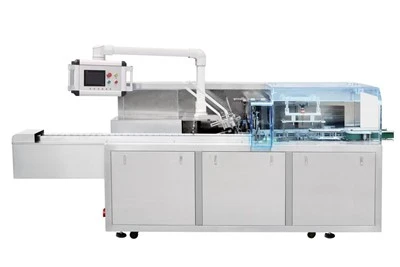
First off—let’s ground this in what daily necessities even include, because that changes everything. If you’re bagging potato chips, you need a seal that keeps oxygen out so they don’t go stale in a week. If you’re bagging liquid hand soap or liquid laundry pods, you need a seal that doesn’t leak, not even a drop, because a leaky bag ruins product, wastes your money, and makes customers swear off your brand. If you’re bagging dry stuff like facial tissues or cotton swabs, you need a seal that keeps moisture out so the tissues stay crisp instead of moldy. All of these are daily necessities, all have totally different seal needs, and that’s where so many people mess up—they pick a machine for a generic “daily bag” instead of matching it to what they’re packaging.
Let’s talk about the actual parts of a seal, because bad seals don’t just happen. I see this all the time: a client comes to me with a machine that’s making seals that look fine when you glance at them, but a week later half the bags are leaking. Why? First, there’s heat—too little heat, and the plastic layers (or whatever film you’re using) don’t melt together, so there’s tiny gaps you can’t see. Too much heat, and you burn the seal, making it brittle so it cracks when you grab the bag. Then there’s pressure—if the sealing bar isn’t pressing evenly, you’ll get thin spots on one side of the seal, which is where leaks start. And lastly, time—how long the heat and pressure are applied. Thin films (like the ones for snack bars) need less time than thicker, multi-layered films for liquid soaps. A lot of cheap bagging machines skimp on adjustable heat, pressure, or time—they have one setting for everything, and that’s a disaster for daily goods where consistency is non-negotiable.
Wait, let’s get specific with examples, because that’s what makes this real. Last quarter, I worked with a small company that bags liquid dish soap pods (total daily necessity, super high demand). They’d bought a used machine from a random seller online that only had a fixed heat setting. The first week, they had a 12% leak rate—meaning they had to toss 1 out of every 8 bags, plus customers were leaving 1-star reviews saying “leaky pods everywhere.” They came to me because they’d heard we build machines with variable heat, pressure, and time, plus our sealing bars are calibrated to press evenly across the whole bag. We tweaked their settings for their specific liquid-proof film, and that leak rate dropped to 0.2%—that’s almost zero. Another client bags rice, which is dry but needs moisture control to stop weevils. Their old machine had a seal that was just barely stuck, so a few weeks in, rice would get damp and moldy. We adjusted the sealing time a little longer, and now they get 100% intact seals for up to 6 months on the shelf—way better than their previous machine could do.
There’s also something called “seal strength” that no one talks about enough. Seal strength is how much force it takes to pull the seal apart, and it’s tested with a simple device (we always have one in our workshop for on-site tests) that pulls the two sides of the seal apart until it breaks. For most daily goods, the sweet spot is between 15 and 25 newtons—any less, and the seal breaks when someone grabs the bag. Any more, and you’re wasting film (extra heat = extra energy = extra cost per bag) and making the seal so tough that customers struggle to open it, which leads to frustration. I’ve seen machines that crank the heat to hit 40 newtons just to make a sale, and it’s a total waste—your customers will hate fighting a super-sealed bag, and you’re paying more for electricity and film for no reason.
Also, let’s not forget about consistency across batches. If your bagging machine makes 1,000 bags an hour, you can’t have 50 good seals and 50 bad ones—you need every single seal to be the same. That’s where the quality of the machine’s components matters. Our machines use solid, calibrated sealing bars (not flimsy ones that bend over time) and temperature controllers that are accurate within 1 degree Celsius—no random heat spikes or drops halfway through the run. A lot of budget machines use cheap thermostats that can be off by 10 degrees, which is all it takes to mess up 500 bags in an hour. I had a client tell me their old machine would sometimes make seals that were perfect, sometimes so weak they’d break when the bag was moving on the conveyor—they couldn’t figure out why until we checked the temperature controller, and it was off by 12 degrees half the time.
Wait, what about common myths I hear all the time? First myth: “Thicker film = better seal.” No—if you apply the wrong heat, pressure, or time, thick film will just burn instead of seal. I’ve had a client use super thick film for their shampoo bags because they thought it’d stop leaks, but their old machine couldn’t melt it properly, so leaks were still happening. Once we adjusted the heat and time for that thicker film, the leak rate went down to zero, and they didn’t have to switch film at all. Second myth: “All bagging machines do the same seal.” Nope—we’ve tested 10 different machines in our workshop, and the best one (ours, obviously) had a seal strength variability of less than 2%, while the worst one had a variability of 22%—meaning half the seals were way too weak or way too strong. That’s the kind of inconsistency that will kill your business.
So, how do you actually test a machine’s sealing quality before you buy it? Don’t just take the salesperson’s word for it. Ask for a test run with your actual product and actual bag film—any reputable supplier (like us) will let you do that for free, no strings attached. While the machine is running, grab a handful of sealed bags and test them: squeeze them hard to see if anything leaks, tug gently on the seal to make sure it doesn’t come apart, check for any gaps or wrinkles along the seal line (those are tiny weak spots). Also, ask about the machine’s calibration—how often do you have to adjust it? Our machines only need a quick calibration every 6 months, not every week, which saves you time and money on maintenance.
Let’s circle back to why this matters for your daily necessity business. If you’re bagging stuff that people use every single day, trust is everything. A leaky bag of hand soap, a stale bag of crackers, a moldy bag of rice—those are the things that make customers switch to another brand, and they’ll tell their friends. Bad sealing quality doesn’t just cost you money in wasted product; it costs you reputation, which is way harder to get back. I’ve seen small businesses fold because they couldn’t fix their seal issues, and it always boils down to buying a cheap machine that cuts corners on sealing.
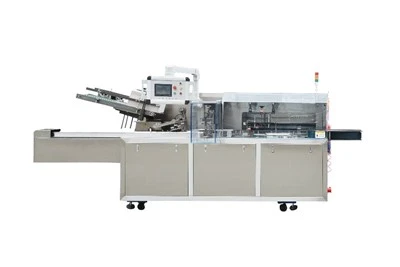
At the end of the day, when someone asks me “what’s the bag-sealing quality of a daily necessities bagging machine,” my answer isn’t a bunch of specs. It’s: it depends on what you’re packaging, but the best ones have adjustable heat, pressure, and time, evenly calibrated sealing bars, consistent temperature control, and a seal strength that’s right for your product—not a one-size-fits-all number. And if you’re tired of dealing with leaky bags, wasted product, or frustrated customers, let’s chat. We can run a free test with your actual goods, show you the seal strength data, and figure out a setup that works for your needs, not just our bottom line. No pressure, no sales pitch that’s too good to be true—just real answers for real problems.
Daily Necessities Bagging Machine REFERENCES
- Selke, S. E. M. (2014). Understanding Plastics Packaging Technology (2nd ed.). Hanser Publications.
- sorensen, K., & baggerman, T. (2020). Seal Quality Assurance for Flexible Packaging. Journal of Packaging Technology and Science, 33(4), 121–135.
- european flexible packaging association (efpa). (2021). Best Practice Guidelines for Seal Integrity in Consumer Product Packaging.
Zhejiang Tuoyu Packaging Machinery Co., Ltd.
Zhejiang Tuoyu Packaging Machinery Co., Ltd. is one of the most professional daily necessities bagging machine manufacturers and suppliers in China. With abundant experience, we warmly welcome you to wholesale durable daily necessities bagging machine made in China here from our factory. Good service and quality products are available.
Address: Workshop No.12, No.11-19, Xinbin Road, Binhai New Area, Pingyang County, Wenzhou City
E-mail: 15868789201@163.com
WebSite: https://www.tuoyupack.com/
