If you’ve ever wandered into a badminton shop or scrolled through online racket listings, you’ve probably stared at a wall of options wondering, “Which one isn’t gonna leave me swinging at thin air by the end of a match?” As a racket supplier who’s helped players from weekend rec crews to competitive juniors pick sticks for over 10 years, I see the same mistakes all the time: someone grabs the shiniest design without checking the weight, or picks a “pro model” because their favorite player uses it, even if it’s way too powerful for their swing. Don’t do that. This isn’t about picking the cheapest or the flashiest—it’s about finding a racket that fits how you actually play, not how you think you should play. Let’s break it down like we’re chatting over a post-match drink, no fancy jargon needed. Badminton Racket
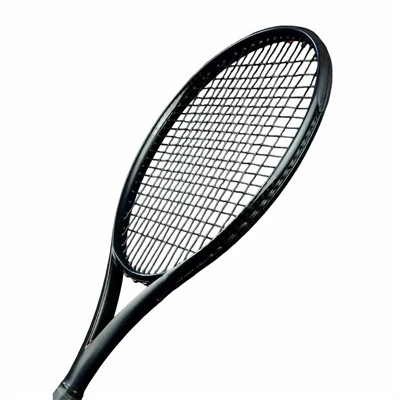
First, start with the basics: your skill level. That’s not just “I’m bad” or “I’m good”—it’s how consistent your swings are, how hard you can hit, and what you struggle with. If you’re brand new, you don’t need a $200 racket. Trust me, I’ve seen beginners drop a ton of cash on a top-tier stick only to get frustrated when they can’t control a smash, because the racket’s head is too heavy and demands a way stronger swing than they have. New players (think: you still can’t reliably hit a serve past the short service line 9 out of 10 times) should go for a light, flexible racket. These let you get some power without forcing your arm—we stock a bunch of entry-level ones that clock in at 80 to 85 grams, super forgiving on off-center hits, so even if you swipe a little wrong, it still goes where you want. They’re also cheaper, so if you accidentally snap it trying a trick shot, you won’t cry over the bill.
If you’re intermediate—you can keep rallies going for 10+ shots, you’re playing rec leagues, and you’re starting to work on smashes and dropshots—you need something a little more responsive. Intermediate players can handle a heavier racket (85 to 90 grams) because you’ve got enough swing speed to generate your own power without relying on the racket. These rackets usually have a stiffer shaft, too, so they twist less on contact, which means more control for those tight net shots. A lot of intermediates I work with make the jump too fast, grabbing a pro model that’s like 95 grams and super stiff—their elbows end up sore after a match, and they can’t adjust their swing for delicate shots. Take it slow; intermediate is where you balance power and control, not go all in on one.
Then there’s advanced or competitive players—you’ve got a consistent smash, you’re in local tournaments, and you know exactly what your game needs. For you, it’s less about picking a racket and more about tweaking it to your style. Some of our top pro models are 90 to 95 grams, super stiff shafts, because you’ve got the arm strength to swing fast. But even advanced players have preferences: if you’re a net player who’s all about quick drives and tight drops, a slightly lighter, more maneuverable racket works better than a heavy smash stick. If you’re a baseline hitter who lives for that powerful overhead, a heavier head-heavy racket (more on that in a sec) is your jam. The key here is not copying your favorite pro—watch what they do: Kento Momota uses a super flexible shaft because he’s all about finesse, while Viktor Axelsen’s racket is stiff and head-heavy for maximum smash. Match your style, not theirs.
Next up: weight and head balance. This is the part that trips so many people up. Racket weight is usually measured in grams, and head balance is what makes a racket feel light in your hand or heavy at the top. Let’s make this simple: headlight rackets have more weight in the handle, so they’re easy to maneuver, perfect for net play, fast drives, and faking opponents out with quick swings. They’re great if you’re small, have shorter arms, or get tired easily because you’re swinging a light stick all match. Head-heavy rackets have more weight in the top of the racket head, which means more power on smashes—like, when you swing it, the top of the racket has extra momentum to launch the shuttle. These are ideal if you’re a strong player who’s big on overheads, but be warned: they take more effort to swing, so your arms might ache if you’re used to a lighter racket. Even balanced rackets (equal weight in handle and head) are a middle ground, good for all-around play, but not the best at either power or maneuvering. I can’t tell you how many times a rec player comes in asking for a head-heavy racket because they saw a pro use it, only to realize they can’t handle the extra weight, and end up sitting out early with a sore shoulder.
Then there’s shaft flexibility, which is the bendy part in the middle of the racket. This is a big one for power and control. Flexible shafts bend a lot when you swing, then snap back like a slingshot to add extra power. They’re perfect for players with slower swing speeds—beginners and intermediates who can’t generate a ton of power on their own. The downside? They can feel a little “springy” if you’re used to a stiff shaft, and they don’t give as much control on tight shots. Stiff shafts, on the other hand, bend barely at all, so they transfer more of your swing power directly to the shuttle. That’s why pros use stiff shafts—they’ve got fast swings, so they don’t need that extra flex power, and the stiff shaft keeps the racket stable for precise hits. If you’re a beginner, don’t go stiff; you’ll end up swinging as hard as you can and the racket won’t give you any forgiveness, leading to more off-center hits. If you’re intermediate, maybe medium-flex is your sweet spot—enough flex for some power, enough stiffness for control.
Wait, let’s talk about string tension too—because even the best racket won’t play right if your strings are too loose or too tight. A lot of players forget this, and it’s a mistake. String tension is measured in pounds, and it depends on your skill and style. Beginners should go for lower tension—20 to 24 pounds. Looser strings give more forgiveness, so off-center hits still feel okay, and they’re less likely to snap if you don’t hit perfectly. Intermediate players can go up to 24 to 27 pounds—enough control for rallies, still a little give if you’re not super consistent. Advanced players often go for 28 to 30 pounds, because tighter strings mean more precise shots and more power transfer, but they’re way less forgiving—hit off-center, and the shuttle goes flying off in a random direction. If you’re not sure what tension to get, just start low and work your way up as you get more comfortable with your swing. Don’t crank it to 30 pounds on your first racket—you’ll snap the strings on your first strong smash, I promise.
Now, let’s throw in some little tips I’ve picked up over the years that aren’t in any manual. First, test before you buy. I know online shopping is easy, but if you can swing it (pun intended), hold a racket in your hand, do a few practice swings. Does it feel too heavy? Too wobbly? Does your elbow not ache after 10 swings? That’s way more important than the specs on a listing. Second, think about your usual play. If you only play rec doubles with your friends, you don’t need a 95-gram head-heavy smash stick—doubles is fast, you’re at the net more, so a headlight or balanced racket is way better. If you’re playing singles at a competitive level, a little more power is nice, so head-heavy works. Third, budget—you don’t need to drop $300 on a racket to have fun. We’ve got great options for $50 to $100 that are perfect for most players, and even the entry ones are way better than the junk you find at the dollar store. I’ve had customers who bought a $150 racket and a $60 one tell me the $60 is their go-to for weekend games, because it fits their style better.
Here’s the thing: badminton is supposed to be fun, so don’t overcomplicate the pick. I’ve had a guy come in last month who was dead set on buying a racket his favorite pro uses, until he tested it and admitted it felt like holding a baseball bat. We swapped him for a headlight medium-flex racket, and he came back a week later saying he’d won his first three games in a row. That’s what it’s about, not matching a celebrity’s gear.

If you’re still stuck, no stress—we’ve been doing this long enough to help you narrow it down. Whether you’re a total newbie who’s never picked up a racket, an intermediate looking to step up, or a competitive player tweaking your setup, just let us know what you’re looking for: your skill level, what kind of play you do (singles, doubles, net or baseline), and if you have any pain points (sore arms, off-center hits, bad control). We’ll point you to the right rackets, no pushy sales talk, just straight-up advice from people who play too. Don’t waste another match swinging a racket that doesn’t fit—let’s get you one that feels like an extension of your arm. If you’re ready to pick the perfect racket and want to chat through options, reach out to us and we can walk through every detail.
Badminton Racket References
- Badminton World Federation. (2022). Equipment Standards for Rackets and Shuttlecocks. International Badminton Association.
- International Badminton Federation. (2021). Player Equipment Selection Guide for Recreational and Competitive Play.
- Journal of Sports Engineering and Technology. (2020). The Relationship Between Racket Head Balance, Shaft Flexibility, and Swing Mechanics in Badminton Players.
- Badminton America. (2023). Beginner’s Guide to Racket Weight and Tension. National Sports Association.
- Sports biomechanics journal. (2019). Overuse Injury Risks Associated with Racket Weight and Swing Speed in Recreational Badminton Players.
Ji’an Zhongda Composite Materials Co., Ltd.
As one of the most experienced badminton racket manufacturers and suppliers in China, we also support customized service. We warmly welcome you to wholesale premium badminton racket for sale here from our factory. If you have any enquiry about quotation, please feel free to email us.
Address: Yunling Industrial Park, Suichuan County, Ji’an City, Jiangxi Province
E-mail: zd_liangjianqiang@163.com
WebSite: https://www.zdracket.com/
