If you’ve ever grabbed a roll of those sturdy, light blue or white HDPE bags from our shop—whether for packing groceries, hauling construction debris, or keeping your kid’s soccer gear tidy—you’ve probably wondered at some point: can I toss this in the recycling bin, or is it just going to end up burned in a landfill? As someone who’s been selling HDPE bags for over a decade, I get this question all the time, and honestly? It’s way more nuanced than just “yes” or “no.” Let’s break this down like I’m chatting with you over a coffee at our warehouse—no stuffy jargon, just the real deal about HDPE bag recycling. HDPE Bag
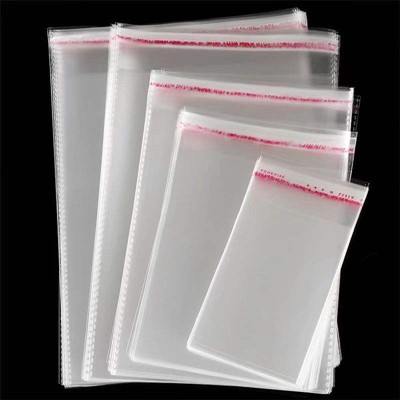
First, let’s get the basics straight for anyone who’s not super deep in plastic tech: HDPE stands for High-Density Polyethylene, right? It’s the same tough, non-breakable plastic that milk jugs, detergent bottles, and those crinkly bread bags are made of. The big number you’ll see on the bottom is #2 plastic, which is a huge clue for recyclability. For years, people thought “all #2 plastics are recyclable,” but that’s where a lot of folks get tripped up. Rigid #2 plastics (like milk jugs) are way easier for recycling centers to handle than flexible ones—aka HDPE bags. Flexibles are thin, stretchy, and prone to getting tangled in recycling equipment, which is why so many curbside programs don’t accept them. I’ve had customers tell me they tossed a stack of our produce bags in their bin, only to get a notice that their whole bin was rejected because the bags jammed the sorting machine. That’s the bad news, but let’s not stop there.
Here’s the part most suppliers won’t tell you: not all HDPE bags are created equal. The bags we sell at our shop aren’t the flimsy, single-use checkout bags you get at the grocery store (though those are also HDPE #2, for the record). Our bags are thicker, designed for repeated use—think 2 mil or higher thickness, compared to the average grocery bag’s 0.75 mil. Thicker HDPE doesn’t stretch as much, which makes it less likely to tear during recycling, and it’s actually more valuable to recyclers. I’ve worked with a few local recycling co-ops that will take our industrial or retail heavy-duty HDPE bags, as long as you drop them off at their special drop-off points, not curbside. That’s a huge difference people miss—curbside is a no-go, but store drop-offs or dedicated plastic film recycling bins (like the ones at most Walmart, Target, or grocery store entrances) usually accept HDPE bags.
Now, let’s talk about the recycling process itself, because it’s not just a “toss and done” deal. When you take clean, dry HDPE bags to a drop-off, the first thing they do is sort them from other plastics (like LDPE bags, which are #4—they look similar but process differently). Next, they wash them to get rid of any food residue, labels, or dirt—super important, because dirty bags ruin whole batches of recycled plastic. Then they shred the bags into tiny flakes, melt those flakes down, and pull out any leftover contaminants (like tiny pieces of metal or glue from bag handles). Finally, they turn that melted plastic into new products: things like plastic lumber for playgrounds, new trash cans, garden edging, or even new HDPE bags. I’ve seen photos of playground benches made from our old customers’ used HDPE construction bags, and that’s the coolest part—your old bag doesn’t have to die in a hole in the ground.
But wait, there’s a big catch here: contamination. This is the #1 reason HDPE bags don’t get recycled, not their material. Last year, a customer brought us a garbage bag full of used produce bags that had old lettuce, dirt, and even a few rotting bananas inside. We had to send that whole pile to the landfill, because recycling centers won’t touch contaminated plastic. Even a tiny bit of food residue can spoil a whole batch of 10,000 pounds of recycled plastic, so it’s such a simple fix to just rinse your HDPE bag out before dropping it off. Another thing: don’t mix HDPE bags with other plastic films, like bubble wrap or old plastic wrap. Those are usually LDPE #4, and they can’t be processed with HDPE, so they need to go to different drop-offs. We always post a quick guide on our website for customers, and I still have regulars who come back saying they started dropping their old bags at the local grocery store and the recycling guy told them their load was the cleanest all month.
Another common myth I hear: “HDPE is only recyclable a few times, so it’s not worth it.” Yeah, plastic recycling isn’t infinite, but that’s true for most materials—you can’t recycle aluminum forever, right? HDPE bags can be recycled 2 to 3 times before the plastic fibers get too worn out to use again, but even then, they’re still not wasted. After that last recycling cycle, the plastic is turned into lower-grade products that don’t need as much strength, like plastic sheets for packaging or even park benches. It’s way better than sending a bag that could’ve been reused 10 times to a landfill, where it’ll take 450 years to break down (seriously, that’s the stat I’ve seen—HDPE doesn’t biodegrade, it just photodegrades into tiny microplastics that get in the soil and waterways).
As a supplier, we’ve made it our mission to make recycling easier for our customers, not just sell them bags. Last year, we started adding a little sticker on every bulk HDPE bag roll that says: “Recycle at store drop-off, rinse before returning.” We also partner with a local non-profit that takes used HDPE bags from small businesses, cleans them, and sends them to a recycling plant, so even if you don’t know where your local drop-off is, you can send them to us for free (we cover the shipping cost for orders over $500, no fine print). I get emails every month from small café owners and construction companies saying this cut their waste hauling bill by 20% because they don’t have to pay to throw away used bags anymore—they just bundle them up and send them our way. That’s the kind of real impact I care about, not just selling bags and calling it a day.
Let’s also talk about what happens if you don’t recycle your HDPE bags, because that’s the flip side of the coin. A lot of people think “it’s just a plastic bag, it’s no big deal,” but when you’re selling hundreds of thousands of bags a year, that adds up. Last year, we did a quick calculation: if every customer who bought our standard HDPE checkout bags just tossed them at home, that’s over 2 million bags ending up in landfills or oceans annually. Those bags don’t decompose, so they sit there for centuries, and if they end up in the ocean, sea turtles and fish mistake them for food. It’s not just a “green” issue—it’s a real, tangible problem for the communities I grew up in, and for my kid who’s 8 and loves hiking at the local state park. I’ve found our old bags tangled in tree branches on trails, and it’s stuck with me—so that’s why we’ve put so much work into making our bags recyclable and our customers aware of how to do it right.
Now, let’s address the exceptions, because nothing in recycling is black and white. First, if your HDPE bag has any metal or non-plastic parts—like a plastic bag with a cardboard handle, or a bag printed with a non-peelable ink—those parts have to be removed before recycling. The ink is a big one: if a bag has a permanent label, it can’t be processed with clean HDPE, so you’ll need to peel off as much of the label as possible before dropping it off. Second, some small rural towns don’t have dedicated plastic film recycling programs, so your only option is to reuse the bag as many times as you can before it tears. We’ve had customers in small towns turn our heavy-duty HDPE bags into lawn and leaf bags, pet waste bags, even storage bags for their garage. Reusing is always better than recycling, honestly—less energy is used to clean and process a used bag than to make a new one from raw plastic.
Another question I get all the time: “Why are some places accepting HDPE bags and others not?” It boils down to how much demand there is for recycled HDPE. If a local recycling plant has a contract with a company that makes plastic lumber, they’ll take every HDPE bag they can get. If there’s no local buyer for recycled HDPE, the plant can’t afford to process thin film, so they’ll send it to the landfill. That’s why we partner with regional recycling hubs that have contracts with manufacturers, so our customers don’t have to hunt for a drop-off every time—we pick up the used bags, sort them, and send them straight to the plant that needs them. It’s extra work for us, but it’s way better than letting perfectly recyclable bags go to waste.
Let’s wrap this up with what I want you to take away, whether you’re a customer who buys our bags, or just someone who wants to make better choices with plastic. HDPE bags are definitely recyclable, but the key words here are “correctly and properly.” They don’t belong in curbside bins—they belong in store drop-offs, with food residue rinsed off, no other plastic films mixed in, and if you can’t find a drop-off in your area, reuse them as many times as possible. As a supplier, we’re not just here to sell you a product; we’re here to help you do the right thing for the planet without making it harder. If you’re looking for durable, recyclable HDPE bags for your business, or if you have a stock of used HDPE bags you need to recycle, feel free to reach out to our team to chat through your needs. We’re happy to send over free samples, share more details on our recycling program, or answer any questions you have about HDPE bags.

At the end of the day, plastic doesn’t have to be a dirty word. HDPE bags are one of the most reusable, recyclable plastics out there—you just have to know the right steps to make it work. I’ve been in this business long enough to see trends come and go, and I can tell you that the companies that care about both their products and the planet are the ones that last. So next time you grab one of our HDPE bags, remember: it’s not a disposable piece of plastic. It’s a tool that can be used, reused, and turned into something new, as long as we do our part to recycle it the right way.
Plastic Bag References
American Chemistry Council. (2023). Plastics Recycling Facts & Figures.
National Park Service. (2022). Marine Debris Impacts of Single-Use Plastics.
Plastic Industry Association. (2021). HDPE Bag Recycling Process & Best Practices.
U.S. Environmental Protection Agency. (2022). Plastics: Material-Specific Data.
Tongcheng Xurun Plastic Industry Co., Ltd.
As one of the most professional HDPE bag manufacturers in China, we offer a wide range of products with superior quality. Please feel free to wholesale bulk customized HDPE bag at low price from our factory. For quotation, contact us now.
Address: Shuanggang Town Industrial Park, Tongcheng City, Anqing City, Anhui Province
E-mail: 15955605705@163.com
WebSite: https://www.cnxurun.com/
