If you’ve ever walked through a construction site, peeked inside a new electronic gadget, or even helped assemble a piece of outdoor patio furniture, odds are you’ve crossed paths with a black nylon cable tie. As someone who’s been supplying these little workhorses for years, I can’t tell you how many times I’ve gotten questions like, “Wait, what exactly uses these things anyway?” Most folks just see them as those random plastic strips you use to bundle wires, but the truth is, black nylon cable ties are a backbone for dozens of industries—ones you probably interact with daily without even noticing. Let’s break down the most common ones, why black nylon is the go-to pick, and maybe even a few surprising spots you didn’t realize they show up. Black Nylon Cable Tie
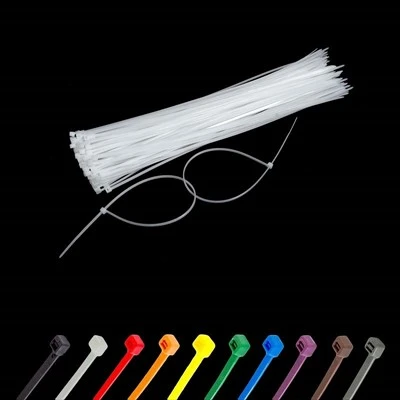
First up, the obvious one that still accounts for a huge chunk of our orders: the electrical and electronics industry. I start here because it’s where black nylon cable ties first became a staple, honestly. Think about it: when you’re wiring a new home, you’ve got dozens of loose wires running through walls, ceilings, behind outlets, and inside light fixtures. White zip ties would get grimy fast from dust and paint, right? But black nylon? It’s UV-stabilized, so it doesn’t turn chalky or break down when exposed to construction dust, paint fumes, or even mild weather if a job runs behind schedule.
But it’s not just residential construction. When we ship out bulk orders to electronics manufacturers—think companies that make laptops, servers, or even gaming consoles—those cable ties go inside the devices themselves. Inside a laptop, there are tiny, fragile ribbon cables that connect the screen to the motherboard, and you can’t just let them slosh around inside the case when it’s being shipped. Black nylon is soft enough not to scratch the thin plastic or metal components, and heat-resistant enough to handle the 100+ degrees those parts get when the laptop is charging. For data centers? Oh man, they rely on these by the truckload. A single server rack can have hundreds of Ethernet cables, power cords, and fiber optic lines. Messy wires mean cooling issues, which means downtime for critical systems. Black nylon cable ties keep everything neat, easy to trace for repairs, and since they’re UV-stabilized, even if a server room has a tiny window (or if wiring runs near an HVAC vent), they don’t degrade over time. I’ve had data center clients tell me they go through cases a week during setup seasons, and I’m not surprised—those tiny ties save them hours of troubleshooting later.
Next, the automotive and transportation industry. This one caught me off guard at first, until a local auto shop owner explained it to me. Modern cars have so many wires under the hood: sensors, ignition coils, radio wiring, backup cameras, you name it. Under the hood, temps can hit 250 degrees on a hot day, and it’s humid, plus there’s oil, coolant, and road spray everywhere. Regular white plastic ties would melt or crack after a few months under those conditions. Black nylon, though? It’s rated for extreme temperatures—we supply ties that work from -40°F all the way up to 185°F, which is perfect for engine bays. I’ve even had suppliers for electric cars reach out lately, too. EVs have even more wiring and battery components that need to be secured without adding extra weight, and black nylon is lightweight but super strong, way better than metal clamps for that. It’s not just cars, either. Bus manufacturers, trucking companies, even train operators use them to secure interior wiring, exterior light harnesses, and even cargo straps. Last year, I sent a bulk order to a local bus company that was retrofitting their entire fleet with new digital displays and GPS systems—they said they used over 10,000 ties in 2 weeks. That’s when I realized these aren’t just “little ties,” they’re essential for keeping transport running safely.
Then there’s the construction and civil engineering sector, which I touched on earlier but deserves its own section. We’ve all seen construction sites with those random bundles of wires, hoses, and tools. Black nylon cable ties are the unsung heroes here. For one, they’re weather-resistant way better than other types of ties. We stock heavy-duty black nylon ties that are rated for outdoor use, so they can sit in a tool belt, get rained on, bake in the sun all day, and still hold their grip without snapping. Civil engineers use them to secure temporary fencing around job sites, tie down utility lines when poles are being installed, and even secure safety harness clips for workers climbing ladders. I once had a client who builds residential pools order a ton of extra-long black ties—they use them to secure the pool’s liner support structure before pouring concrete, and they work even when exposed to the concrete’s wet, acidic mix during setup. The construction industry also loves that black nylon is cheap but tough—they don’t want to spend a fortune on something that’s going to get scuffed, stained, or tossed at the end of a job, but they need it to hold up.
Wait, what about the outdoor recreation and marine industries? That’s another big one that people don’t always connect. If you’ve ever gone camping, you’ve probably used a zip tie for something—securing a tent pole, fixing a broken cooler handle, bundling hiking gear. But marine environments are way harsher than regular outdoor stuff. Saltwater is super corrosive, and constant sun exposure breaks down plastic fast. Black nylon cable ties are salt-resistant, so they don’t corrode or become brittle when exposed to salt air for months on end. Boat manufacturers use them to secure navigation lights, fishing rod holders, and wiring inside the hull—metal clamps would rust and scratch the fiberglass, but black nylon is smooth and won’t leave marks. For campers, RVers, and trail maintenance crews, black ties are a must-have. I’ve sent orders to a national park service for trail repair—they use them to secure signs that get knocked down by wind, bundle fallen branches out of hiking paths, and fix broken picnic table benches. Even the guys who build zip lines for adventure parks use them to secure the cable harness systems—they need something that’s strong, weatherproof, and won’t fray after being exposed to sun and rain all year.
Then there’s the agriculture industry, which is a total hidden gem for our sales. Farmers have to deal with all kinds of conditions: mud, dust, extreme heat, even chemicals from fertilizers and pesticides. Black nylon cable ties don’t absorb moisture, so they don’t get moldy or rot when used to secure irrigation lines, tie up fruit tree branches that are heavy with produce, or bundle feed bags and tool cords in barns. Last season, I had a small family farm order a bunch of heavy-duty black ties to secure their greenhouse ventilation system—they said regular plastic ties would snap after a month of being exposed to the greenhouse’s humid, fertilizer-fumed air, but the black ones I supplied lasted the entire growing season. Even large agricultural equipment manufacturers use them to bundle wiring on tractors and harvesters—those machines get covered in mud and get blasted with heat from the engine, so the black nylon holds up way better than thinner white ties. I never would’ve guessed how big agriculture is for us until a farmer emailed me saying he goes through 500 ties a week during planting season.
Let me also be real with you—part of why black nylon is so popular is that it solves specific problems no other tie does. White or clear plastic ties get stained and discolored fast, so in industries where things need to look neat (like electronics or automotive interiors), black is just more professional. Metal ties are way heavier and more expensive, plus they can scratch delicate parts, so nylon is the sweet spot for strength, cost, and versatility. And the UV stabilization? That’s a game-changer for anything that’s going to be outside or exposed to light for long periods. I’ve had a client test our black ties against a competitor’s white ones on a fence—after 6 months in the sun, the white ones were so brittle you could snap them with your fingers, while the black ones still held their tension.
Now, I know some people might be thinking, “Can’t I just use regular zip ties for all this?” And yeah, you can—but you’ll be replacing them every few months, which is a waste of time and money. The industries I mentioned don’t have time for that. A data center can’t afford to have a tie snap and cause a server to go down. A farmer can’t be replacing irrigation tie-downs in the middle of a rainstorm. That’s why they come back to us again and again—we supply black nylon cable ties that are built to last, not just work for a week.

If you’re reading this and thinking, “Hey, I need these for my business or project,” don’t overcomplicate it. Whether you’re a contractor wiring a new building, an auto shop fixing a fleet of trucks, a farmer prepping for harvest, or even a small business assembling products at your workshop, we’ve got the right size and strength of black nylon cable ties for you. We supply bulk orders for big industrial clients, and smaller quantities for folks just starting out—no minimum order hoops to jump through, just solid product and fair pricing. If you’re tired of flimsy ties that break when you need them most, or overpaying for overpriced specialized fasteners, shoot us a message to chat about your needs. We can recommend the right grade of black nylon, the right length and thickness, and make sure you get exactly what you need to get the job done right, on time.
Nylon Cable Ties References
- National Association of Electrical Distributors. (2022). “Fastener Usage Trends in Electrical Construction and Maintenance.” Industry Report.
- Society of Automotive Engineers. (2021). “Performance Specifications for Nylon Cable Ties in Automotive Underhood Applications.” SAE International Standard J2018.
- American Association of State Highway and Transportation Officials. (2020). “Materials for Temporary Road and Construction Site Safety Fixtures.” AASHTO Publication.
- National Park Service. (2023). “Sustainable Materials for Outdoor Trail and Facility Maintenance.” NSM Tech Note 18-04.
- American Farm Bureau Federation. (2022). “Innovations in Agricultural Equipment and Infrastructure Fasteners.” AgriTech Research Report.
- National Marine Manufacturers Association. (2021). “Corrosion-Resistant Materials for Marine Outfitting.” NMMA Technical Bulletin.
Wenzhou Xinsheng Co., Ltd.
Wenzhou Xinsheng Co., Ltd. is one of the most professional black nylon cable tie manufacturers and suppliers in China. We have world-leading production equipment and strong manufacturing capabilities. If you’re going to wholesale bulk durable black nylon cable tie made in China, welcome to get pricelist from our factory. For price consultation, contact us.
Address: No.419, Gongye Huanlu, Dongmeng Industrial Zone, Wuniu Street, Yongjia County, Wenzhou City, Zhejiang Province, China
E-mail: xuenda1@gmail.com
WebSite: https://www.wenzhouxinsheng.com/
